There’s a Fatty Liver Epidemic. AI Could Help Get Ahead of It
Over a billion people worldwide have livers with excess fat, which can lead to a host of medical problems. Researchers think AI tools can spot the condition—and help stop it—early enough to save lives.
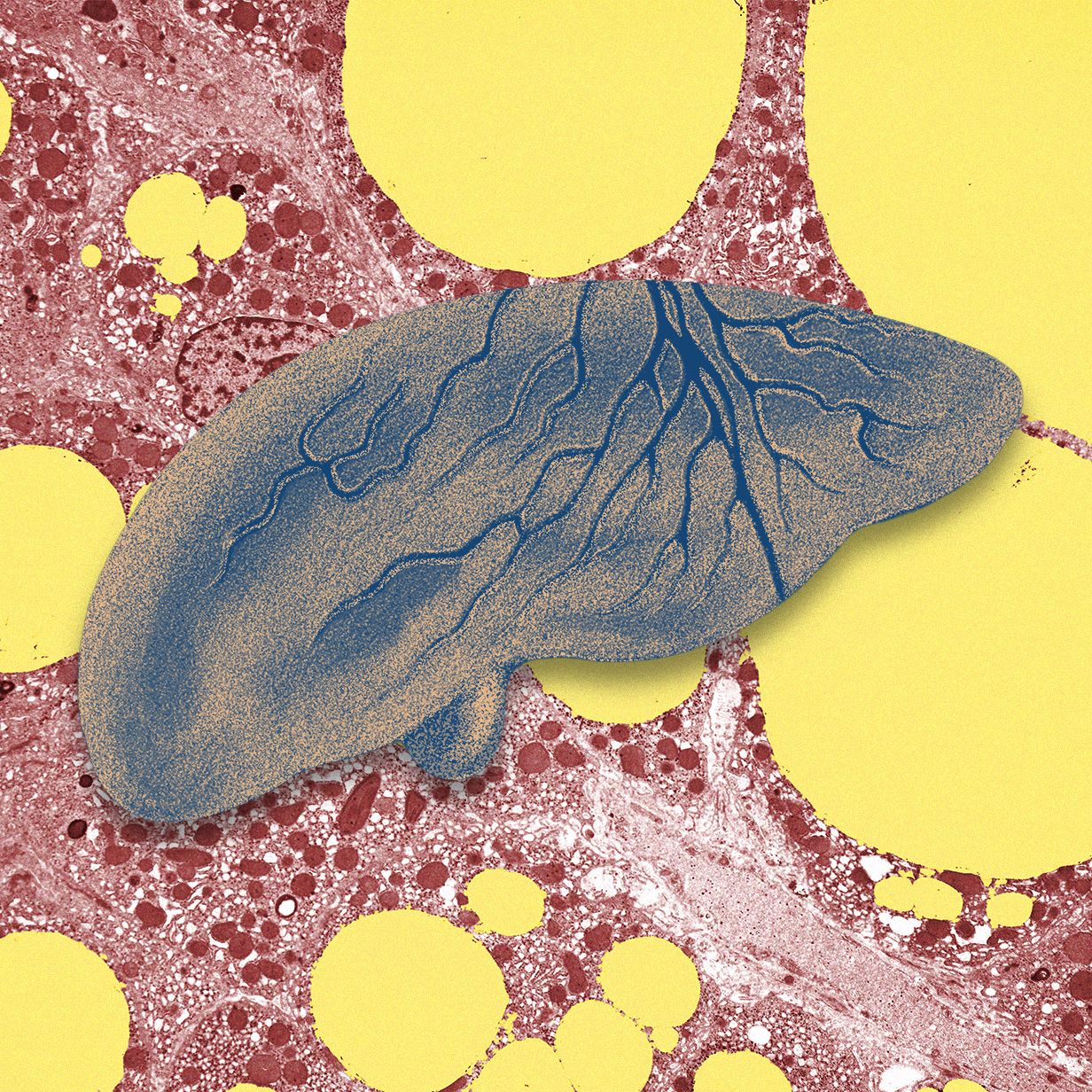
A global epidemic of fatty liver disease is underway, affecting over a billion people. In many adults and children, the liver accumulates an unhealthy amount of fat, leading to inflammation, damage, and fibrosis. This condition impacts about 30 percent of adults worldwide and can eventually result in liver failure. Often without noticeable symptoms, the disease is typically diagnosed too late, when it becomes life-threatening.
Specialists are now exploring how AI could help in early detection and treatment of the condition. Professor Jeffrey Lazarus from the CUNY Graduate School of Public Health suggests AI could analyze electronic health records to identify those at highest risk. Identifying fatty liver disease early can reverse much of the damage, with lifestyle changes and medications like semaglutide showing promise.
However, simple, noninvasive methods for assessing liver health are underutilized. Tests like the Fib-4 index can improve diagnosis of advanced fibrosis, but they are rarely used due to limited implementation. AI could automate the calculation of Fib-4 scores and analyze x-ray images to identify fatty liver disease, potentially improving early detection and treatment.
Written by urgent.news from Wired Science's reporting — not their text. Machine-written — may contain errors; check the original before relying on it.
This story
This is one outlet's version. Read the fullest account.