Stop the bites! How to survive another summer of mosquitoes, midges and horseflies
Dress like a zebra, wash your feet, keep off the beer: insect experts explain what works and what doesn’t – and why some of us get bitten more than others It’s a good time to be a mosquito or other blood-sucking insect. In the UK and beyond, they are enjoying the summer heat, and there are lots of humans outdoors, some wearing very little, like an all-you-can-eat walking buffet. Some of the…
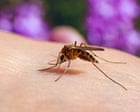
Mosquitoes, midges, and horseflies have been thriving in the UK and other parts of the world due to the warm summer weather and an abundance of humans outdoors. These blood-sucking insects enjoy the high temperatures and the availability of humans as their next meal, potentially making some individuals more appealing targets. Additionally, people who are drinking beer may find themselves even more attractive to mosquitoes, as the alcohol in the beverage seems to enhance their appeal.
As the climate continues to warm, insect populations are also adapting, and organizations are keeping a close eye on invasive species such as mosquitoes, which can carry diseases like dengue and malaria. Professor James Logan, the CEO of Dot and a professor of medical entomology at the London School of Hygiene and Tropical Medicine, warns that the UK could face the threat of mosquito-borne diseases in the future.
With milder winters and warmer summers, diseases like dengue, which can be transmitted by mosquitoes, may become a more significant concern. Although these mosquitoes may currently not breed successfully and survive the winter in the UK, experts predict that it is only a matter of time before the threat becomes more prominent.
Written by urgent.news from Guardian Health's reporting — not their text. Machine-written — may contain errors; check the original before relying on it.