The key signs you may have damaged your eyes by looking at the eclipse
Symptoms after looking at the sun without eclipse glasses can include blurred vision
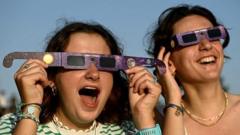
Following an eclipse, eye specialists are cautioning individuals to be watchful for any indications that their sight may have been harmed. The symptoms could involve blurred eyesight, a central blind area or dark patch, and heightened sensitivity to light. After the last total solar eclipse visible in the UK back in 1999, approximately 70 people suffered from impaired vision.
Many of them had only gazed at the event for under a minute, unaware they were harming their eyes. The risk arises because gazing at an eclipse without protection can harm the retina, located at the back of the eye, and particularly the cells responsible for sharp central vision. The sun is exceedingly bright even when partially blocked by the moon.
Typically, if we stare at it, we wince and swiftly avert our gaze. However, during an eclipse when it's darker, that reflex may not activate, even though our eyes are being harmed. The intense light and ultraviolet radiation emitted by the sun can result in a condition called solar retinopathy. Since the retina lacks pain receptors, it's challenging for people to realize the damage while it's happening, and symptoms may only manifest several hours later.
Prior to the eclipse, experts warned only legitimate specially-designed solar eclipse glasses should be used, and that regular sunglasses or similar devices were insufficient to prevent possible harm. Consultant eye surgeon Alexander Ionides from Moorfields Eye Hospital in London states that if you have injured your eyes, the symptoms will begin to appear within a few hours.
A central spot in the visual field, whether you're looking at someone's face, the text of a page, or a clock on the wall, might exhibit a distortion. It won't be painful, with no burning sensation, and it can develop gradually. If you suspect eye damage, you should seek immediate medical assistance. There are various ways to have your eyes examined in the UK; you can visit a local optician, who is now very well equipped.
They can perform retinal scans to detect any solar retinopathy, which is the damage to the retina from gazing at the eclipse. They can also refer you to the local eye unit. There are local eye casualty centers as well, and most hospitals will have an eye doctor on call. Due to the delayed symptom development, it's not yet possible to determine if anyone has experienced any damage to their eyes.
A partial eclipse like the one the UK experienced on Wednesday meant the sun remained relatively bright, so fewer people may have attempted to stare directly at it. Dr. Ionides notes that compared to 1999, far fewer people have contacted his hospital so far. The message that gazing directly at the sun with the naked eye is harmful may be getting out, as there have been many fewer people coming to the hospital or the casualty saying they have experienced damage, which is only in the morning after the event.
Written by urgent.news from BBC News's reporting — not their text. Machine-written — may contain errors; check the original before relying on it.