Heatwaves drive A&E attendances up to record high
More than 2.4 million visits in each of last three months, as unions warn of inhumane conditions.
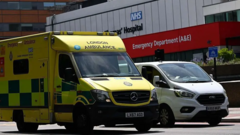
England's A&Es (Accident & Emergency departments) are witnessing their busiest period ever, with soaring temperatures playing a significant role. The heatwave drove more than 2.4 million patients to seek emergency care each month during May, June, and July – the highest monthly totals on record. NHS officials assert that the strain is comparable to winter months.
The intense heat has resulted in patients falling ill from dehydration and heatstroke, while also elevating risks for those with pre-existing heart, kidney and respiratory issues. Unions have highlighted that staff are being pushed to work under inhumane conditions due to the heat, with reports of some collapsing and experiencing seizures. The UK recorded its warmest day of the year at 38.1C in Kew Gardens.
The challenges have been exacerbated by equipment malfunctions, such as scanners and IT systems breaking down. Ambulance services have also reported significant pressures, with June's heatwave pushing demand beyond levels seen during the peak of the Covid-19 pandemic. Prof Frankie Swords, NHS medical director, commended staff's professionalism, stating that delivering care is becoming increasingly challenging.
Health Secretary Yvette Cooper thanked staff for their efforts and emphasized the need for summer preparation. She highlighted that the extreme heat is placing an additional burden on the NHS. The Royal College of Nursing called for action, describing the working conditions as "inhumane." Nurses reported sweating to the point of feeling cold from head to toe while caring for patients and had to relocate medications due to excessive heat, as overheating could reduce medication effectiveness.
One nurse even collapsed from dehydration after working on a ward without ventilation, while two nurses with pre-existing health conditions had seizures. RCN general secretary Nicola Ranger described the testimonies as a wake-up call, stating that failing to provide appropriate mitigations is worsening the situation. The NHS and social care estate, plagued by decades of under-investment, is largely unprepared for extreme temperatures.
Written by urgent.news from BBC News's reporting — not their text. Machine-written — may contain errors; check the original before relying on it.