The Iran War Has Left the U.S. Dangerously Exposed
The fight has offered Iran and other adversaries a clear picture of U.S. weaknesses.
The Iran war has exposed serious vulnerabilities for the United States, undermining the notion that partnering with the U.S. can serve as a strong security guarantee for Middle Eastern countries. Iran has targeted U.S. bases and civilian infrastructure in the region, leading Persian Gulf countries to reassess the value of hosting U.S. troops and seek new alliances.
For instance, Saudi Arabia recently joined a NATO-like mutual defense pact with Turkey and Pakistan. The United States has used 1,500 Patriot missile interceptors and about 1,700 remaining during the war. The ongoing conflict has also led to the loss of roughly a quarter of the MQ-9 Reaper drones, costing $30 million to $50 million each.
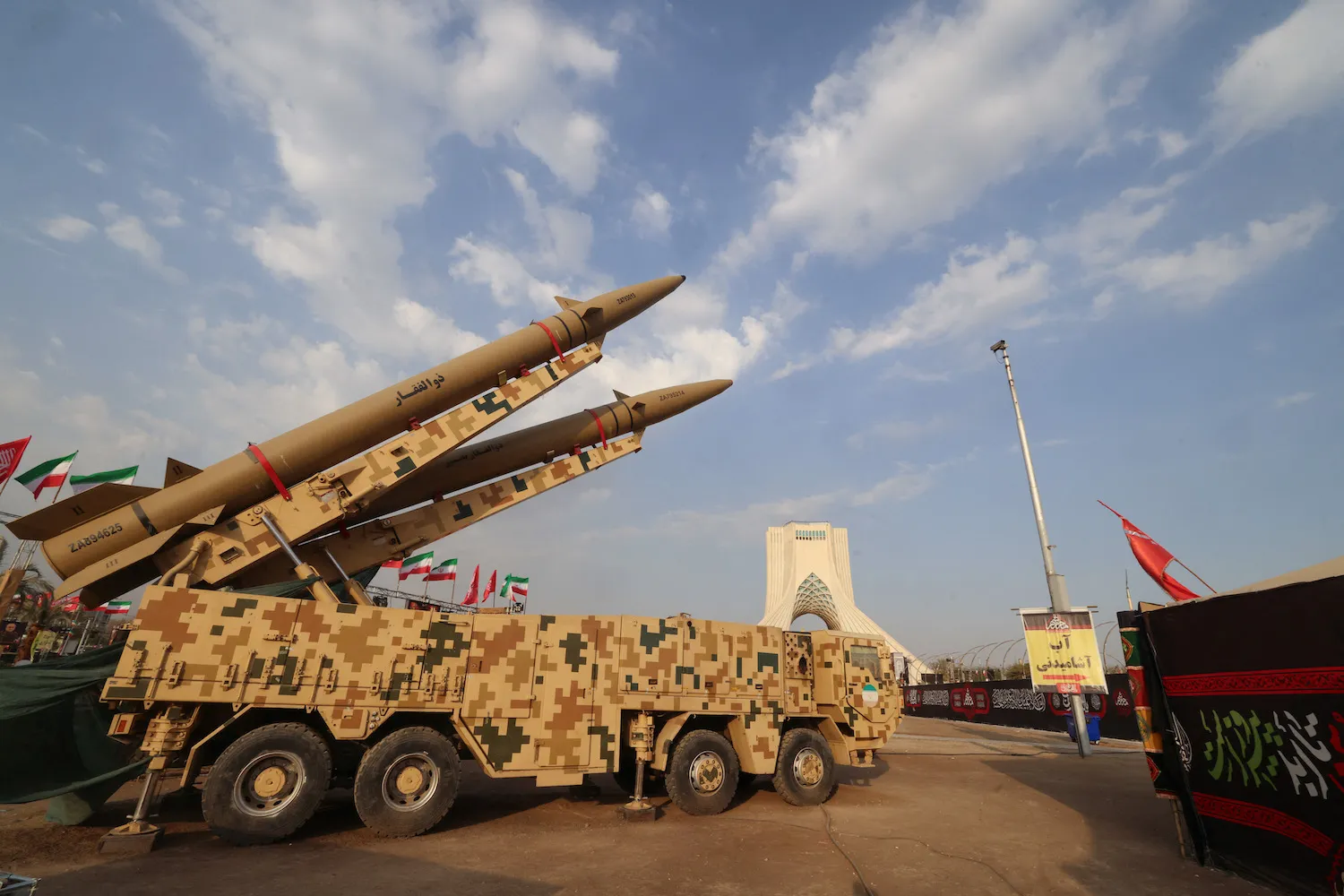
Iran's strikes with one-way attack drones and missiles have severely depleted the U.S. military's munitions and weapons stockpiles, which are costly and take time to replace. The war, initially launched with multiple objectives, is now primarily focused on dominance over the Strait of Hormuz, which has been largely closed, causing significant economic consequences.
Despite ongoing efforts to negotiate a peace deal, President Trump remains unwilling to cut his losses and agree to Tehran's demands. The administration's credibility has been called into question due to differing claims about the U.S. control of the strait. The situation shows no signs of resolution, and the risks of further U.S. vulnerabilities being exploited by Tehran and other adversaries are substantial.
Written by urgent.news from Foreign Policy's reporting — not their text. Machine-written — may contain errors; check the original before relying on it.