The iPhone X is obsolete now, and so is that aging MacBook Pro
Apple has moved the iPhone X and 15-inch 2018 MacBook Pro to its obsolete list, ending official hardware service and parts ordering for both devices.
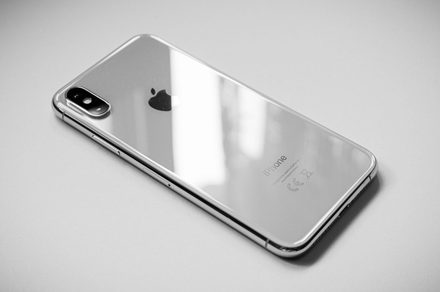
Apple has officially declared its iPhone X and the 15-inch 2018 MacBook Pro as obsolete, marking the end of official hardware support for these devices. The distinction is significant as Apple will discontinue service for these products once they are deemed obsolete. Once a device is marked as obsolete, authorized service providers can no longer order parts through Apple, making repairs more challenging.
The iPhone X, launched in 2017, introduced the design language and features like Face ID and the notch that have become iconic for Apple's iPhone lineup. The 15-inch 2018 MacBook Pro, while having a longer software life, also joins the list of obsolete products. However, it is important to note that being obsolete does not mean the devices are unusable.
Apple's decision to mark a device as obsolete mainly affects the availability of hardware service, not the usability of the device. Most owners of these devices will not notice any immediate changes, as their iPhones and MacBooks will continue to function as before. The concern lies in potential hardware failures, which may become more difficult to repair due to the lack of official support.
Apple has stated that service may be extended for up to 10 years for certain products, based on factors like parts availability and other circumstances. Nonetheless, users should not rely on this guarantee. For those still using an iPhone X or 2018 MacBook Pro, there is no urgent need to replace these devices solely based on Apple's classification.
However, if the battery is struggling or a repair is overdue, it might be a good time to consider alternatives, as Apple may no longer be available to fix these products. Apple's decision to mark these devices as obsolete is also linked to its efforts to address the global chip shortage. The company has been seeking alternative sources for memory chips in its devices, with potential suppliers in China, but has faced opposition from lawmakers concerned about U.S. government regulations regarding foreign-made components.
Written by urgent.news from Digital Trends's reporting — not their text. Machine-written — may contain errors; check the original before relying on it.