The homeopathy debate needs better evidence
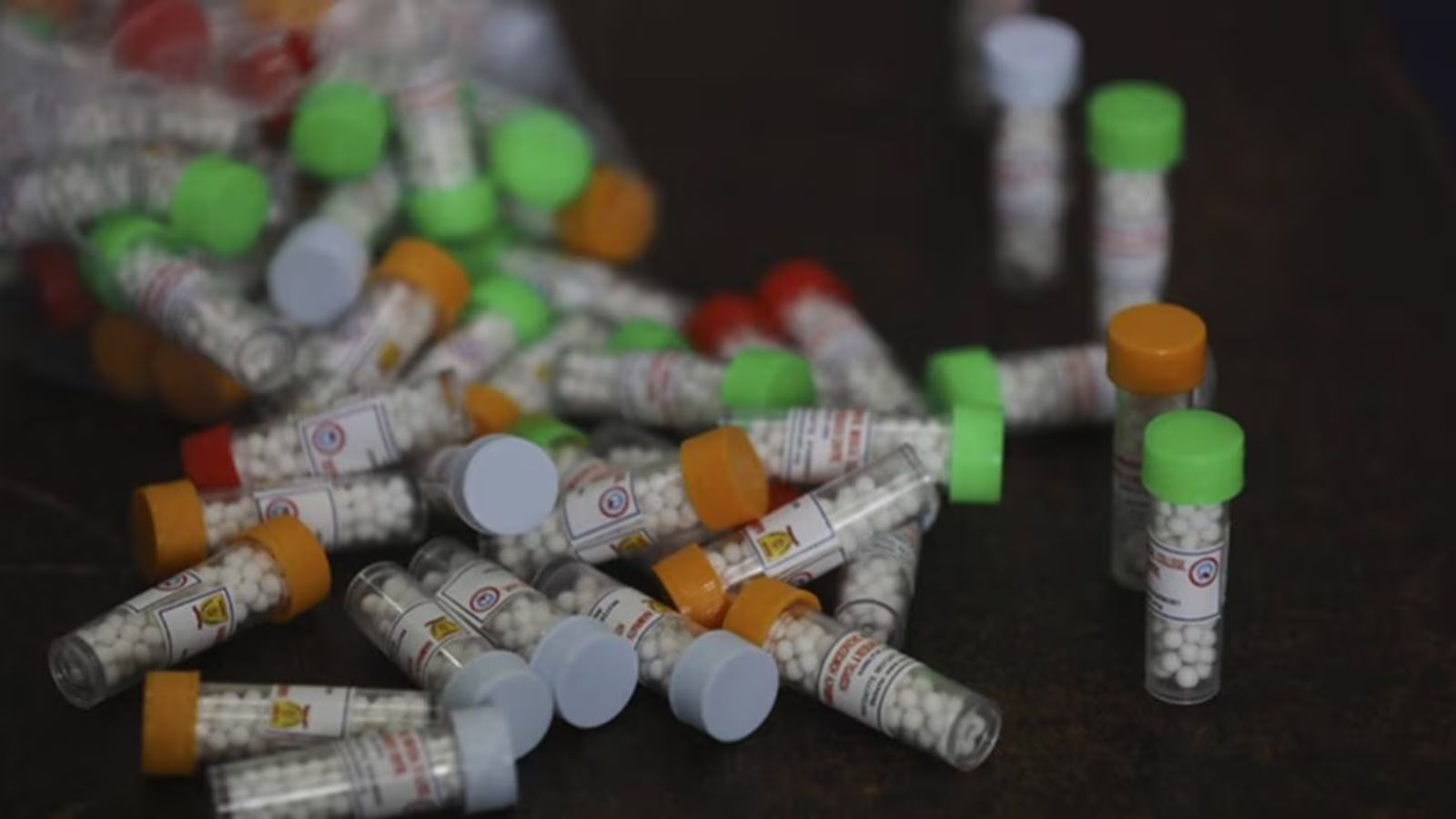
The homeopathy debate is currently at an impasse, with supporters claiming it has helped millions over centuries and critics asserting there is no convincing scientific explanation for its supposed effects. However, recent technological advancements offer a new opportunity to investigate this age-old practice. NASA's search for extraterrestrial life focuses on "life, as we know it," emphasizing that understanding nature depends on the questions we ask and the tools we use.
Similarly, the scientific community is beginning to re-examine homeopathy using modern instruments and methodologies. Previous assumptions, that highly diluted medicines contained nothing beyond the liquid used to prepare them, are now being tested with greater precision. While these findings do not prove homeopathy's efficacy, they do suggest that long-held notions should be re-evaluated with modern scientific tools.
The Central Council for Research in Homoeopathy (CCRH) is leading a new evidence-based research program, focusing on nanotechnology, materials science, and modern analytical techniques to answer key questions: what exactly is present in diluted medicines, do such properties interact with living systems, and do they improve clinical outcomes beyond placebo effects?
Separating these questions is crucial for a robust scientific debate. As one of medicine's longest-running debates, homeopathy now stands to benefit from the rigor of 21st-century science, potentially reinforcing, refining, or even challenging existing understanding.
Written by urgent.news from The Indian Express's reporting — not their text. Machine-written — may contain errors; check the original before relying on it.