Stanbic, Absa, FNB well positioned to weather spillovers from US-Iran war – Fitch
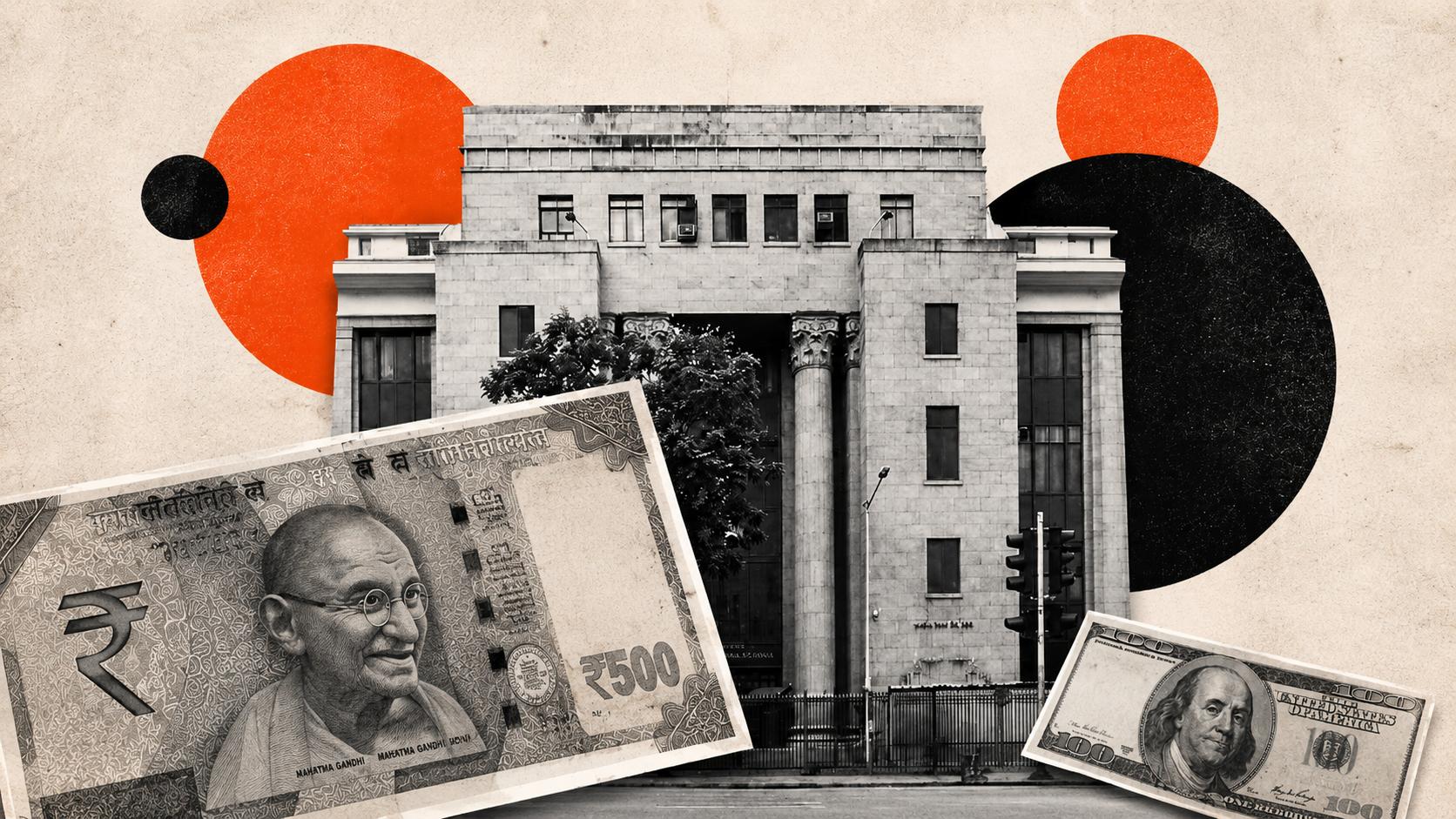
The spillovers of the US-Iran conflict pushed South Africa’s headline inflation to 5.0% in June 2026 (February 2026: 3%), with the South African Reserve Bank raising the repo rate by 25bp to 7% in May 2026.
Standard Bank, Absa, and First National Bank, along with their respective bank holding companies, are well equipped to handle any negative effects arising from the US-Iran war, according to Fitch Ratings. The report highlights the banks' robust franchises and diversified portfolios, coupled with strong profitability and adequate capital and liquidity reserves.
Inflation in South Africa rose to 5.0% in June 2026, up from 3% in February 2026, prompting the South African Reserve Bank to increase the repo rate by 25 basis points to 7% in May 2026. Fitch projects a further 25 basis point increase by the end of 2026, followed by a 50 basis point cut by the end of 2027. This, combined with anticipated accelerated real GDP growth of 1.3% in 2026, compared to 1.1% in 2025, should maintain profitability metrics at a stable level in the short term.
Although impaired loans ratios remain elevated, they are gradually decreasing and are well protected by specific loan loss allowances that take into account tangible collateral and recovery prospects. Pre-impairment operating profits serve as a substantial cushion to absorb loan impairment charges and bolster internal capital generation.
Common equity Tier 1 capital ratios at the end of 2025 (excluding unappropriated profits) stand at 12.0%-13.1%, significantly surpassing regulatory minimums. The banking sector displays sound funding and liquidity, with a net stable funding ratio and liquidity coverage ratio of 117% and 161%, respectively, at the end of May 2026.
The five banking groups have commenced issuing a new debt class, Fluorostructure Absorption Convertible (FLAC), designed for loss absorption and conversion into regulatory capital during bank resolution. The implementation of this new debt class is being rolled out over a six-year period, with banks required to meet 60% of their base requirement by the end of 2028 and achieve full compliance by the end of 2031.
Fitch upgraded the banks' and BHCs' Long-Term Issuer Default Ratings (IDR) to 'BB' with a Stable Outlook from 'BB-' with a Stable Outlook in June 2026, following the sovereign upgrade. This change reflects the reduction of the sovereign constraint on their individual credit profiles, as indicated by the Stable Outlooks on the Long-Term IDR, which mirrors the upgrade on the sovereign's Long-Term IDR.
Written by urgent.news from MyJoyOnline Ghana's reporting — not their text. Machine-written — may contain errors; check the original before relying on it.
This story
This is one outlet's version. Read the fullest account.