Sportwagenhersteller: Rückkehr zum Verbrenner: Chinas Elektroautobauer Xpeng soll Porsches CO2-Bilanz retten
Porsche hat sich von seinen ehrgeizigen Elektroplänen verabschiedet. Um die EU-Klimaziele dennoch einzuhalten, verlässt der Hersteller den Emissionspool mit VW – und setzt auf China.
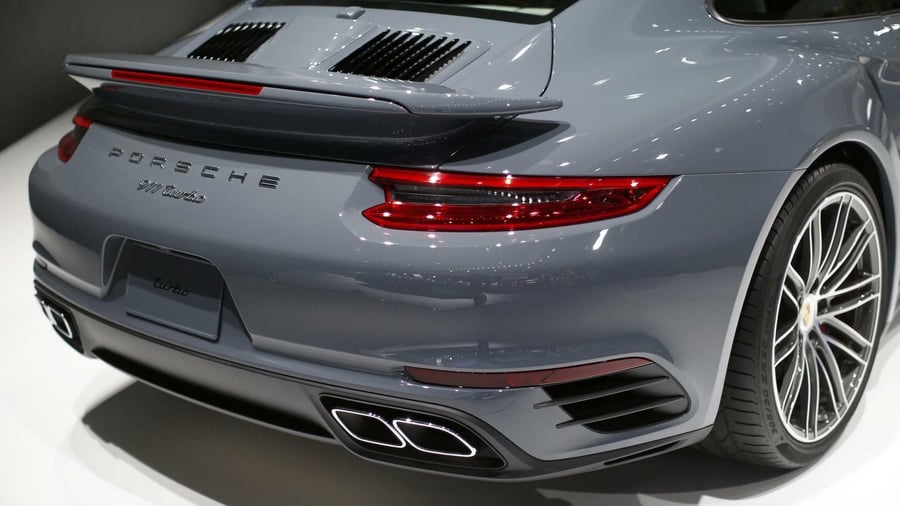
Porsche, the renowned sportscar manufacturer, is gradually shifting its focus towards traditional gasoline-powered vehicles, a move that aims to comply with the EU's stringent CO2 reduction mandates. However, to maintain compliance without solely relying on Volkswagen's emissions pool, Porsche is planning a strategic partnership with Xpeng, a Chinese electric auto manufacturer and a partner of Volkswagen.
This partnership, set to commence in 2026 and 2027, will allow Porsche to secure its CO2 balance through a partnership with Xpeng, a company with a strong emphasis on electrification.
The decision to exit Porsche's emissions pool earlier this year has significantly impacted the company's profitability, leading to substantial write-offs in its Zuffenhausen manufacturing facility. In an effort to regain flexibility in its transformation towards electromobility, Porsche has officially confirmed its partnership with Xpeng.
The company reaffirms that this move will not alter its long-term strategy, as it continues to invest in the transformation of its vehicles, electrification, and innovative technologies to sustainably reduce its emissions from its own powertrains.
CO2 pooling allows automotive manufacturers to pool their emissions from their own and competing brands to adhere to EU limits. Generally, external partnerships are allowed to negotiate the conditions, and these pools must be transparent and economically reasonable according to EU guidelines. Co2 compensation is typically paid to electric vehicle manufacturers, as their average CO2 emissions for new vehicles often exceed the predefined targets, resulting in penalties based on the extent of the overshoot and the number of newly registered vehicles.
The shift towards gasoline-powered vehicles has not only impacted Porsche's profitability but has also increased its average CO2 output per fleet. In response, Porsche's CEO Michael Leitner has called for the adjustment of the EU's current fleet targets due to the slower-than-anticipated rollout of electric mobility. The auto industry is facing immense pressure to find a balance between realistic CO2 targets and greater flexibility through the consideration of low-carbon steel, aluminum, and renewable fuels.
Intensive dialogue between industry and policy is deemed necessary to ensure a competitive European economic landscape.
Written by urgent.news from Handelsblatt's reporting — not their text. Machine-written — may contain errors; check the original before relying on it.