Single dose of rapamycin rapidly reduces autism-like traits in adult mice
A new study reveals that a single dose of rapamycin rapidly but temporarily reverses autism-like behaviors in adult mice. The findings suggest the adult brain remains highly adaptable, pointing toward new therapeutic targets for managing sensory symptoms.
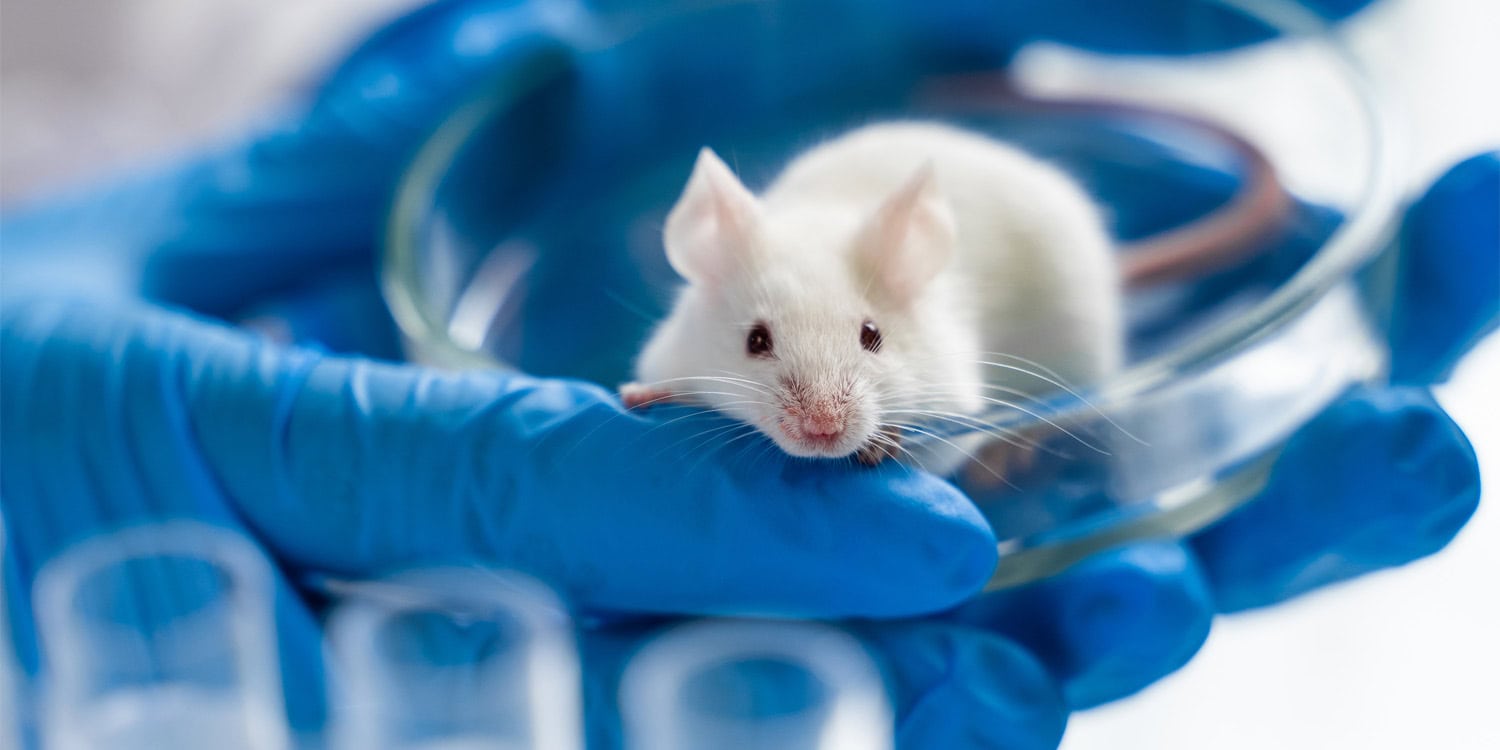
A new study published in Nature Communications suggests that a single dose of the immunosuppressive drug rapamycin can rapidly reduce autism-like traits in adult mice. The research provides evidence that maternal immune activation during pregnancy, which triggers mild inflammation and alters brain development in offspring, can be reversed through rapamycin treatment.
Autism spectrum disorder is associated with diverse changes in brain development, behavior, and sensory processing, often linked to overactivation of the mTOR pathway. Rapamycin, an established drug, inhibits the mTOR pathway and is commonly used to prevent organ transplant rejection. In the study, pregnant mice were injected with lipopolysaccharide, a bacterial compound, to trigger a mild inflammatory response.
The offspring exhibited increased brain volume and repetitive behaviors similar to autism-like traits. A single dose of rapamycin, at 5 milligrams per kilogram, reduced these repetitive behaviors within two hours, returning them to control levels. However, the effects were temporary, with behaviors returning after 72 hours. The study also found that the mice developed a tolerance to the drug, necessitating further research on long-term benefits and safety.
Written by urgent.news from PsyPost's reporting — not their text. Machine-written — may contain errors; check the original before relying on it.