26 districts to lose free mosquito spraying from 2027
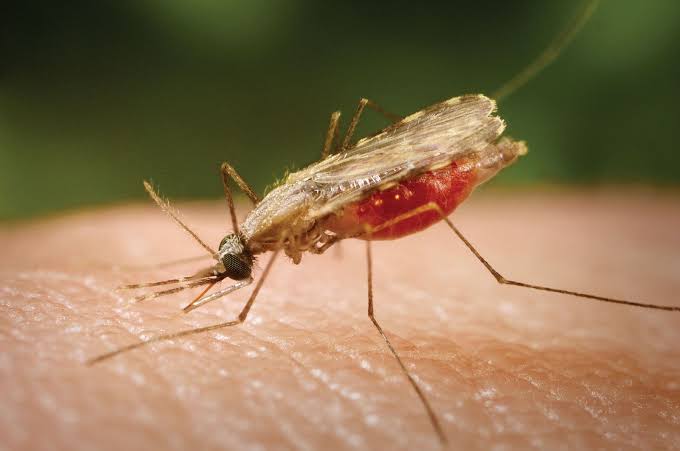
Twenty-six districts that have benefited from free Indoor Residual Spraying (IRS) to control malaria since 2015 will lose the intervention from 2027 due to funding constraints. The affected districts, which are currently supported by the United States Agency for International Development (USAID) and the Global Fund, will have to rely on insecticide-treated nets (ITNs) to … The post 26 districts…

From 2027, 26 districts currently receiving free Indoor Residual Spraying (IRS) to combat malaria will no longer benefit from the intervention due to funding limitations. These districts, supported by USAID and the Global Fund, will now rely on insecticide-treated nets (ITNs) for malaria prevention. Mr Ken Yeboah, the Oversight Officer of the Global Fund's Country Coordinating Mechanism, revealed this at a stakeholders' meeting in Accra.
Ten of the affected districts are in the Northern and North East Regions, while the remaining 16 are in the Upper West, Upper East, and Ashanti Regions. The final IRS spraying for the year took place in June, but the discontinuation will not impact the prison service, also a beneficiary of the programme. Dr Cecilia Senoo, Founder and Executive Director of Hope for Future Generations, urged civil society organisations (CSOs) to intensify malaria advocacy as donor funding diminishes.
She expressed concern that malaria often receives less attention than HIV and tuberculosis, despite being a leading cause of child mortality. CSOs must speak up for vulnerable populations amid declining donor support. Dr Senoo emphasized that Ghana would increasingly rely on domestic resources to maintain malaria control efforts, given reduced USAID funding and limited Global Fund allocations.
Donors are now prioritising impact, transparency, and accountability in their funding decisions, making advocacy crucial for malaria advocates.
Written by urgent.news from Ghanaian Times's reporting — not their text. Machine-written — may contain errors; check the original before relying on it.