Singaporeans are living longer, but not necessarily healthier. Can science close the gap?
Scientists are studying how lifestyle, biological age and early intervention could help people stay healthier for longer.
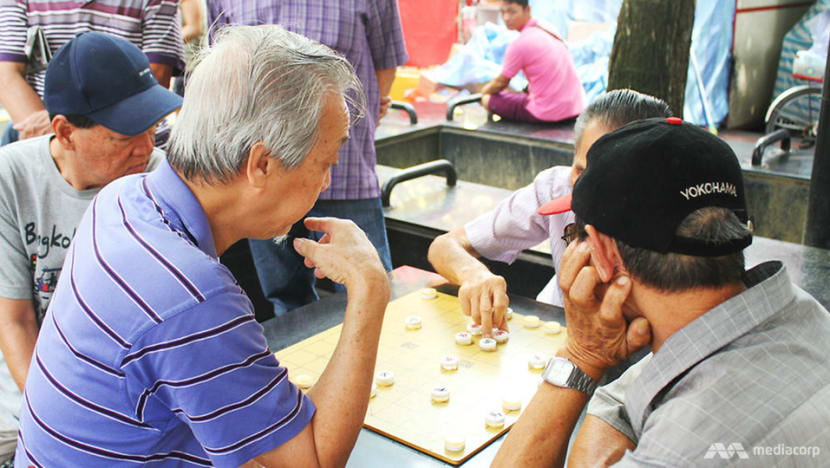
Singaporeans are living longer, but this does not necessarily equate to a longer healthy life. The Minister for Trade and Industry (Energy and Industry) Tan See Leng highlighted the need to better grasp the ageing process to pinpoint health risks earlier, and potentially employ scientific interventions to shift focus from disease treatment to prevention.
He emphasized that while no single breakthrough will transform healthy longevity, sustained scientific discovery, strong partnerships, and effective translation of knowledge into solutions will be key to improving people's lives.
The Department of Statistics reported that life expectancy stood at 83.9 years for Singapore residents in 2025, compared to 83.7 years in 2024. Women live longer than men, with an average life expectancy of 86 years as opposed to 81.8 years for men. However, as people live longer, they may spend more years with health problems, leading to focus on healthspan, the years spent in good health.
The Ministry of Health estimates that Singaporeans spend about 75 years in good health. A study by the Institute for Health Metrics and Evaluation and the National University of Singapore’s Yong Loo Lin School of Medicine revealed that the gap between lifespan and healthspan has increased by more than two years since 1990.
Singaporeans could spend nearly a decade of their lives dealing with ill health, frailty, or disability. Earlier detection and treatment of potentially fatal health issues such as cancer and heart disease have contributed to longer lifespans. Yet, addressing non-fatal health problems is challenging, as physical and mental health conditions can accumulate over adulthood, causing prolonged pain, disability, and a reduced quality of life.
A study involving 5,409 Singaporeans indicated that lifestyle choices, such as smoking, obesity, regular exercise, a plant-based diet, and green tea consumption, are linked to differences in biological age. Tools like AgeQ, which uses blood tests to estimate biological age, can provide early insights into potential health risks, empowers individuals to take control of their health, and promote proactive measures to improve well-being.
However, one must remember that biological age is just one aspect and not a comprehensive view of a person's overall health.
Experts stress the significance of prioritizing health and well-being earlier in life, including adhering to a healthy diet, engaging in physical activity, managing stress, and cultivating mental well-being. Financial security, strong community support, work-life balance, and access to adequate housing can also contribute to maintaining health and independence for longer durations.
Dr Cyrus Ho, an assistant professor at NUS Medicine, emphasized the importance of stress management and creating a more balanced work-life environment for better health outcomes.
Written by urgent.news from Channel News Asia's reporting — not their text. Machine-written — may contain errors; check the original before relying on it.