Screen-free nostalgia hits the cereal aisle with the return of real toys
As breakfast cereal sales have fallen, food manufacturers have turned to an old trick to try and attract consumers back: the cereal box prize. Breakfast cereal sales have fallen more than 13% in five years , from 2.47 billion units sold in 2021 to 2.14 billion units in 2025, according to NielsenIQ data, and some of the most colorful, eye-catching brands are on the verge of losing their bright…
Breakfast cereal sales have declined by more than 13% over the past five years, from 2.47 billion units sold in 2021 to 2.14 billion units in 2025, according to NielsenIQ data. With consumer preferences shifting away from artificial colors towards more natural alternatives, leading cereal makers are revisiting traditional strategies to attract customers.
One such tactic is the inclusion of physical toys and prizes in cereal boxes, a throwback approach that was once common but has since fallen out of favor due to safety concerns and criticism over marketing sugary foods to children. However, as parents seek out simple, screen-free play experiences for their children, some cereal manufacturers are reintroducing these physical rewards.
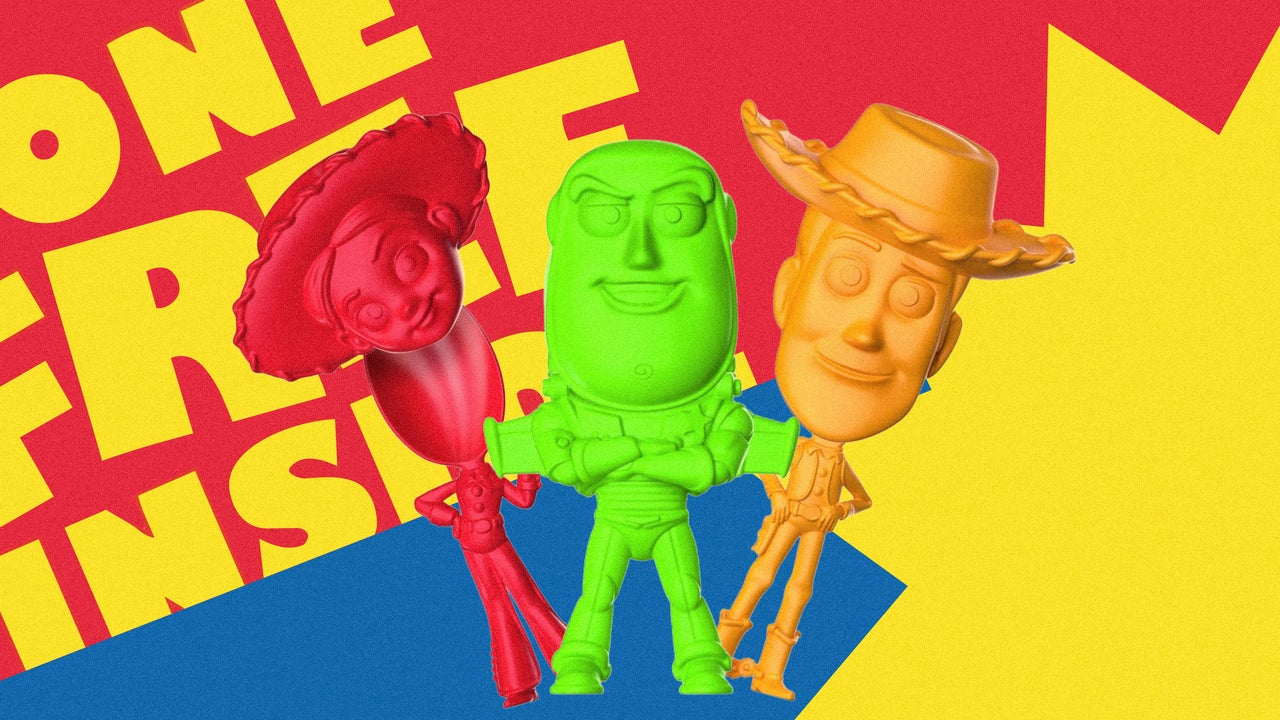
For instance, WK Kellogg Co., now part of the Italian company Ferrero, recently brought back collectible spoon figurines of Toy Story 5 characters in their Frosted Flakes, Froot Loops, Apple Jacks, and Pops cereals. General Mills has also released themed-edition toys featuring characters from its cereal brands, such as the Honey Nut Cheerios honeybee Buzz and the Trix Rabbit, and is partnering with Jim Henson Co. for textured boxes containing puppet versions of its Monster Cereal mascots.
Kellogg's decision to reintroduce prizes aligns with consumer demand and an attempt to recreate the nostalgic experience of finding toys in cereal boxes, which many parents fondly remember. The company aims to introduce these prizes at the right moment, leveraging the storyline of Toy Story 5, which centers around physical toys in a digital age.
This strategy echoes similar moves in the fast-food industry, where chains like Whataburger and Burger King are integrating play directly into their packaging, such as sticker packs and crayons, rather than relying on plastic toys. Despite the varied approaches, both cereal brands and fast-food establishments are targeting the same goal: appealing to parents' desire for engaging, screen-free play experiences for their children.
Written by urgent.news from Fast Company's reporting — not their text. Machine-written — may contain errors; check the original before relying on it.