Saudi-Turkey-Pakistan Mecca pact ‘far from’ Nato-style defence alliance
The security pact signed on Friday by three of the world’s most powerful Muslim nations with a vow to enhance collective deterrence remains far from what many are calling an Islamic Nato, according to experts. The Mecca Joint Defence Agreement between Saudi Arabia, the Persian Gulf’s top oil exporter, Nato member Turkey and Pakistan, a nuclear-armed South Asian state, will be challenged by…
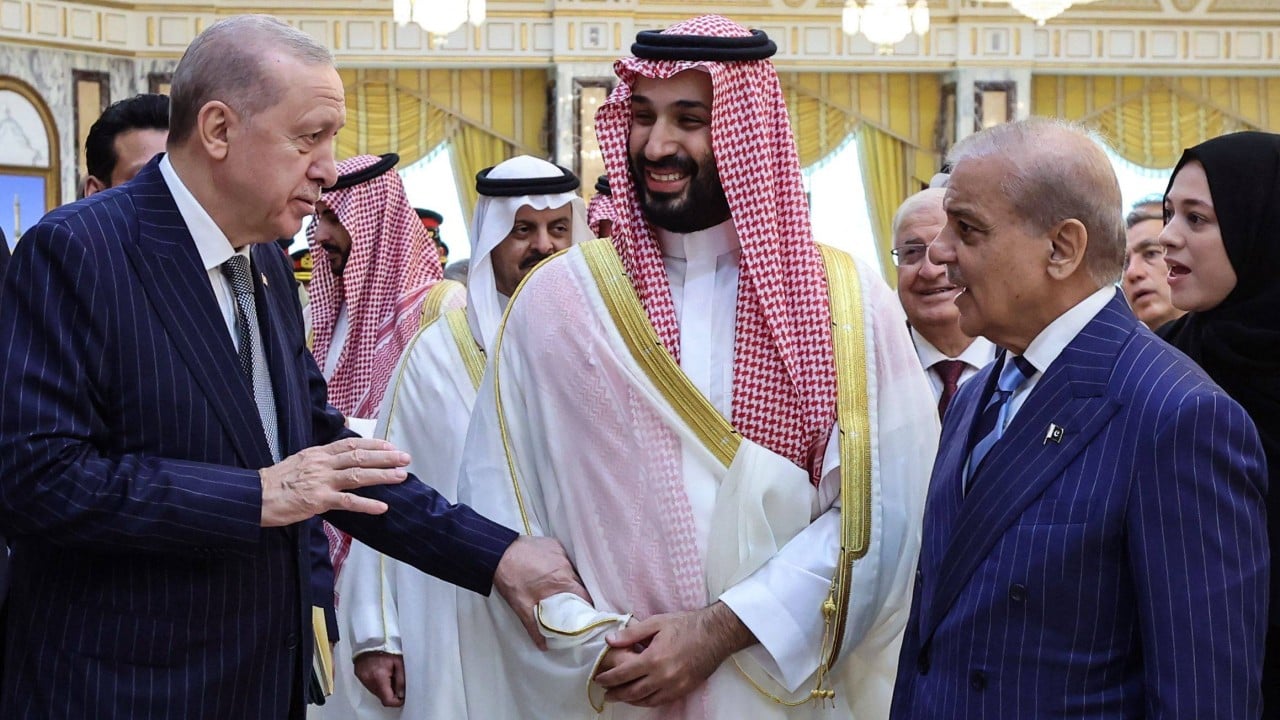
Three influential Muslim nations—Saudi Arabia, Turkey, and Pakistan—signed a security pact on Friday, pledging to enhance collective deterrence, but experts say it falls short of an Islamic Nato. The Mecca Joint Defence Agreement, between Saudi Arabia, Turkey and Pakistan, a nuclear-armed South Asian state, will likely be hindered by diverging strategic interests and weak mutual defence capacity.
While the pact's clause that an armed attack on any member would be considered an attack on all resembles the defence principle in Nato's Article 5, it is not directed against Iran, Turkey's top diplomat Hakan Fidan stated. Despite Iran responding positively to the pact, tensions with the US and Israel remain high. Observers caution that the agreement's potential security benefits, if any, would remain largely symbolic due to the lack of practical military integration and clearly defined rules of engagement.
Written by urgent.news from South China Morning Post's reporting — not their text. Machine-written — may contain errors; check the original before relying on it.