‘Remarkable’ discovery upends our understanding of how brains store memories
Memories in mice persisted even after they lost the connections that we thought were needed for recall, expanding our knowledge of memory in the mammalian brain
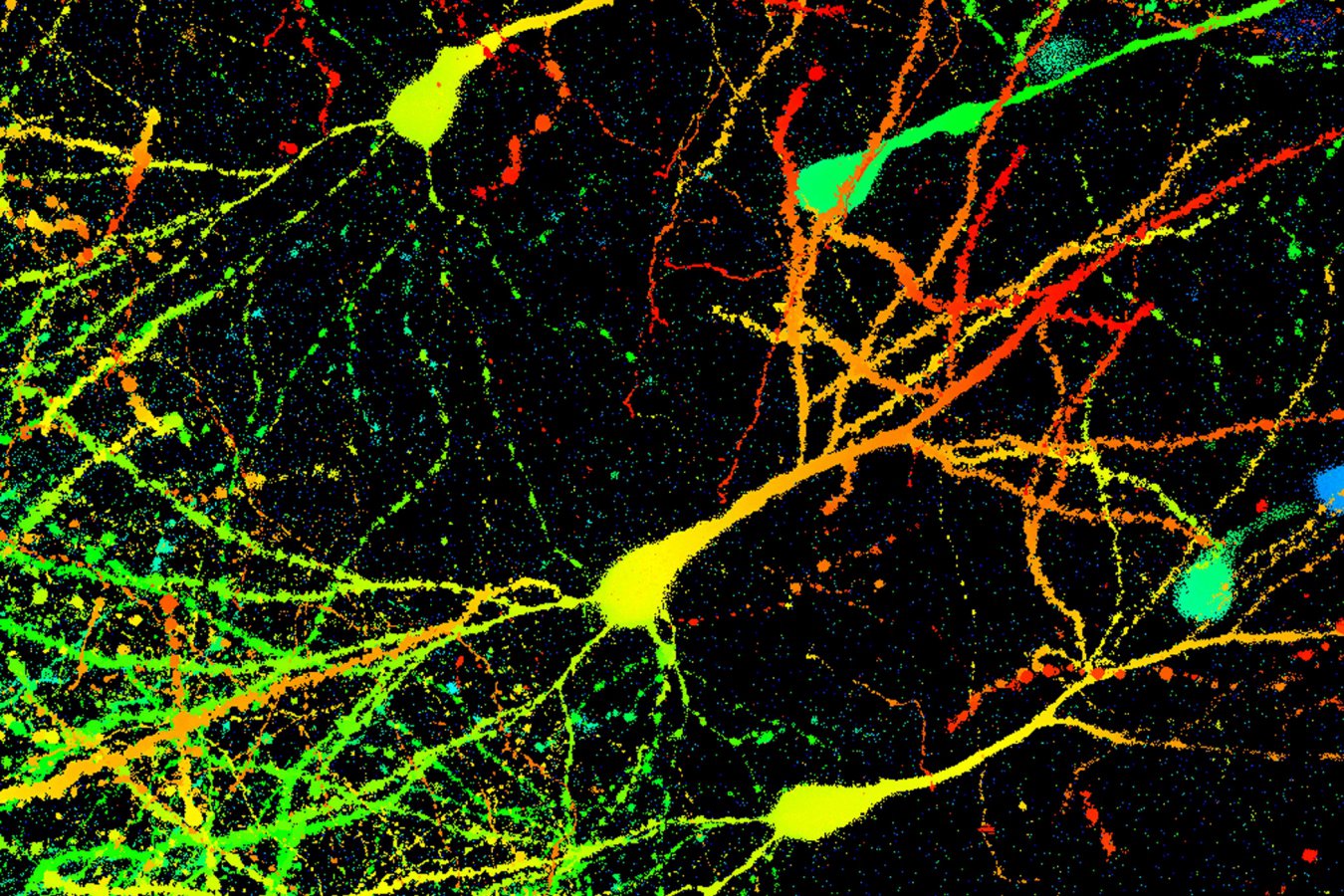
A groundbreaking study on mice has revealed that memories may persist even when half of the brain connections that store them are lost. This discovery challenges the conventional understanding of how memories are stored and could potentially lead to new methods for enhancing memory. When we encounter a new stimulus, neurons in our sensory organs transmit electrical signals to our brain, which then process this information through electrical signals sent among neurons via interconnected points known as synapses.
These neurons, referred to as engram neurons, encode information by generating new synapses and reinforcing existing ones. Recalling a memory further strengthens these connections and our recollection of the event.
Many scientists believe that a memory remains as long as the specific arrangement of synapses within the engram neurons encoding that memory is sustained. This hypothesis is supported by experiments that have utilized drugs or genetic tools to disrupt synapses on engram neurons. However, recent findings suggest that memories can still be maintained even when these synapses are altered in terms of location or quantity. This raises the question of what is truly essential for preserving a memory.
To investigate this phenomenon, researchers employed a unique approach inspired by hibernating animals. Under hibernation, the brain's activity typically decreases significantly. Nonetheless, studies conducted on natural hibernators have shown that these animals manage to retain their memories of friends and the location of food items they had hidden prior to entering hibernation.
In order to gain further insight into the basic principles underlying the storage of long-term memories in mammalian brains, the researchers examined how memory retention occurs during hibernation, a scenario in which the brain undergoes considerable changes.
The researchers induced an artificial hibernation state in half of the mice for two days by injecting them with drugs that slow down metabolism and placing them in a dark chamber. Five days later, even when presented with a chamber emitting an alcohol scent, the mice previously subjected to this artificial hibernation still froze in fear, despite brain scans showing that more than half of the synapses within the engram neurons in their hippocampus (a region responsible for memory formation) had been affected.
This finding suggests that, contrary to prior assumptions, memories may be more resilient than previously believed, with the potential to withstand significant alterations to their underlying neural connections.
Written by urgent.news from New Scientist's reporting — not their text. Machine-written — may contain errors; check the original before relying on it.