Pollution and degradation persist in Ghana’s water sector – CSIR-WRI scientists caution
Ghana continues to face significant development challenges, with unsafe water, energy gaps, food insecurity, pollution and rapid urbanisation threatening progress.
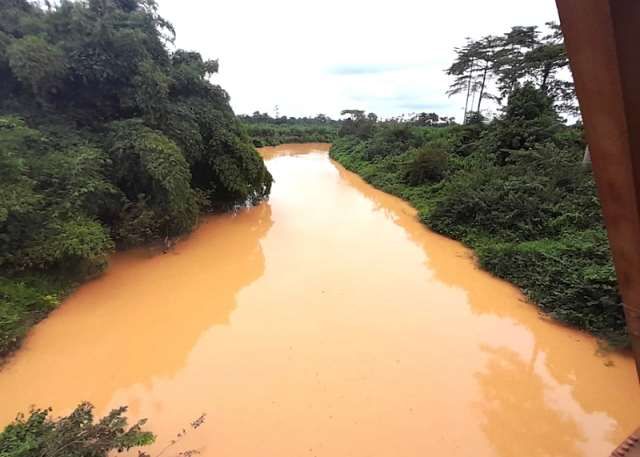
A CSIR-Water Research Institute (CSIR-WRI) scientist warns that 60% of Ghana's water bodies are polluted, primarily due to illegal mining, or galamsey. Dr. Franco Enobrenaco, from the Groundwater and Geoscience Division, explained that this pollution threatens the remaining 40% of relatively clean water sources as Ghana's population expands and mining activities persist.
At a presentation titled "Can Ghana Heal Her Waters? Toward Sustainable Remediation of Polluted Water Bodies," Dr. Enobrenaco emphasized that without urgent action, Ghana may eventually need to import water. He stressed the need for a dual strategy: reducing or eliminating illegal mining, offering alternative jobs for affected miners, and enforcing mining regulations strictly.
Restoring polluted water bodies would be futile without tackling the pollution sources, he argued. Furthermore, Dr. Enobrenaco advocated for integrated remediation methods over relying solely on one technology. He pointed out that polluted water endangers public health, agriculture, industry, and energy production, and its treatment is economically costly.
Drawing parallels to the UK's Thames River restoration, he highlighted Ghana's potential for river recovery through collective, sustained efforts from government, researchers, communities, and stakeholders.
Written by urgent.news from MyJoyOnline Ghana's reporting — not their text. Machine-written — may contain errors; check the original before relying on it.
This story
This is one outlet's version. Read the fullest account.