Overseeing jury trials – the demanding job of a High Court judge
Jury trials are a rarity among the world’s legal traditions, but a fundamental bedrock of the common law system. The jury’s role as the decider of a defendant’s guilt makes them the natural centrepiece of a criminal trial, but an often overlooked part of the process is the role of the trial judge. The judge does not sit in the back seat while waiting for the jury to deliver its verdict; rather,…
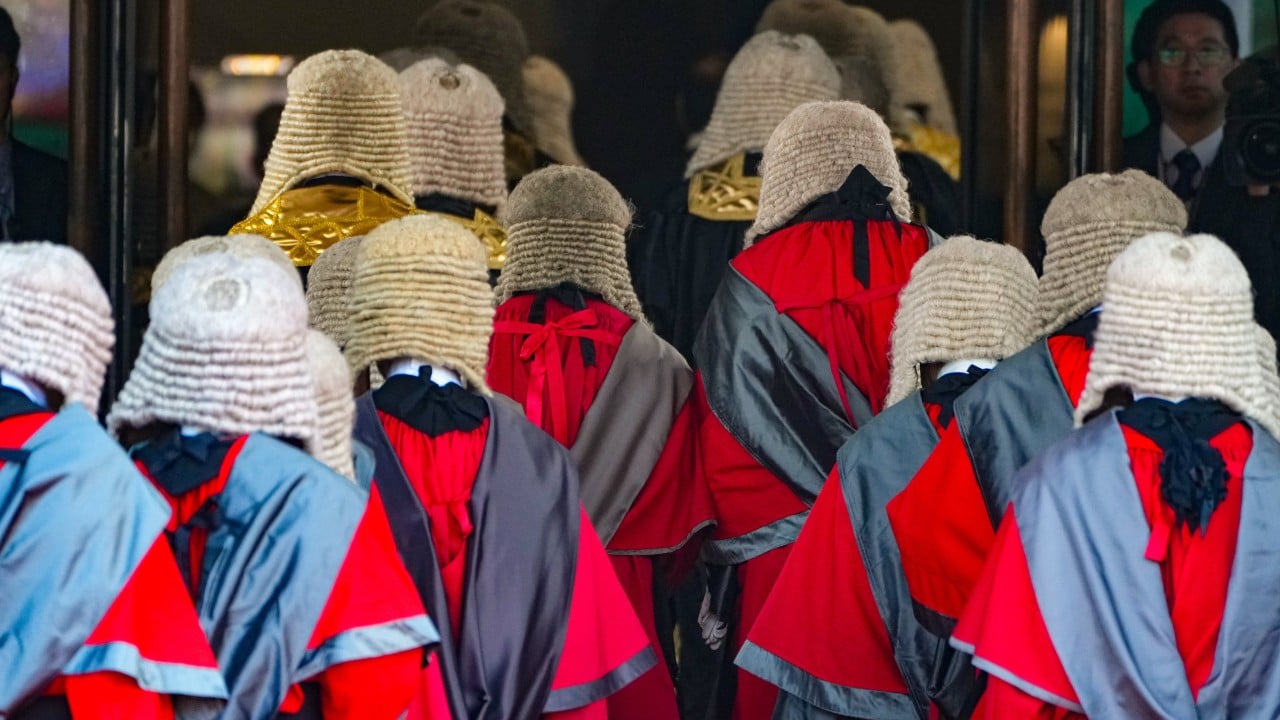
Jury trials, though uncommon among global legal systems, form the core of the common law tradition. While jurors determine a defendant's guilt, the judge remains a crucial component, ensuring seamless proceedings. This demanding role extends beyond merely observing proceedings; judges act as orchestra conductors, harmonizing each party's contribution and maintaining order amidst complex trials.
These trials, often spanning weeks and involving intricate factual and legal points, are especially taxing due to Hong Kong's chronic judicial understaffing. Shortened court days are frequently filled with non-trial hearings, like sentencing and bail applications, demanding swift yet meticulous handling. Even within a standard week, a judge may spend considerable time addressing bail applications and sentencing cases, each requiring careful legal judgment.
A criminal trial, especially a lengthy one conducted under intense public scrutiny, represents the ultimate challenge for a criminal judge. Jurors are tasked with deciding facts, while judges interpret the law. In intricate cases, this division becomes a formidable test of a judge's judgment, stamina, and resilience. Unlike civil trials, where all evidence is filed beforehand, criminal trials often unfold with new evidence revealed during the trial, making pre-reading impossible.
The judge's role is to act as a referee, ensuring the jury receives a complete case summary and can make an informed decision. The summing up, delivered post-evidence, is the judge's final act, explaining the law, highlighting critical issues, and summarizing the evidence. This brief, often prepared overnight, must be precise and fair, as misdirection can lead to appeals and retrials.
The pressure to perfect this final directive, under time constraints, is immense. Despite its complexity, the judge's responsibility concludes with the jury's verdict, reinforcing the system's role in safeguarding liberty.
Written by urgent.news from South China Morning Post - Hong Kong's reporting — not their text. Machine-written — may contain errors; check the original before relying on it.
This story
This is one outlet's version. Read the fullest account.
- Overseeing jury trials – the demanding job of a High Court judge scmp.com
- Janhvi, Khushi Kapoor win Delhi High Court protection against obscene online content: ‘How do we draw the line?’ gulfnews.com
- In blow to Levin, High Court rules state attorney can handle Sde Teiman leak probe timesofisrael.com
- Chief prosecutor Amit Aisman cleared to oversee Sde Teiman leak investigation, High Court rules jpost.com
- Karnataka High Court flags growing expired food menace, calls for constant vigil thehindu.com
- Court of Appeal judge Geneviève Cotnam appointed Chief Justice of Quebec winnipegfreepress.com
- Nepal citizenship no bar: Himachal High Court grants parole to murder-dacoity convict indianexpress.com