One law, one standard: The uncomfortable questions behind the Adamus saga
The controversy surrounding the revocation of the mining lease of Adamus Resources Limited by the Minister for Lands and Natural Resources, Emmanuel Armah-Kofi Buah, has opened another difficult conversation about Ghanaian-owned businesses and the enforcement of the country’s mining laws. Since the decision became public, some sections of the public have called on the Minister […]
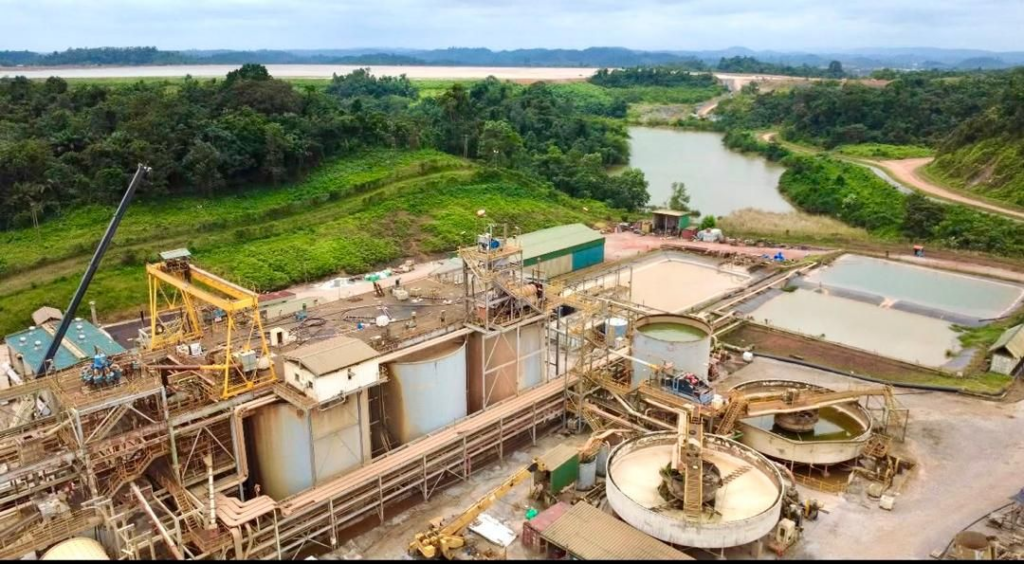
The recent revocation of Adamus Resources Limited's mining lease has sparked a debate about the enforcement of Ghana's mining laws and the treatment of Ghanaian-owned businesses. While many argue that the government should support local businesses, the question remains: should ownership alone protect a company from the consequences of breaking the law?
Since the National Anti-Illegal Mining Operations Secretariat (NAIMOS) intensified its operations, hundreds of Ghanaians have been arrested for illegal mining activities. These individuals, who in many cases turned to mining as their primary source of income, faced arrest and prosecution under the same laws that are now being questioned for Adamus Resources.
The government has prosecuted over 600 individuals for illegal mining under the Mahama administration, raising the question of fairness when applying the same standards to a larger business. If a company is to be held to account for its actions, the same standard should apply regardless of whether it is a small-scale operation or a multinational corporation.
The Adamus debate should not be reduced to whether the company is Ghanaian-owned or foreign-owned. The more important question is whether the company followed the laws and conditions governing its mining operations. If there are valid grounds to argue that the revocation was wrongful, those grounds should be presented and considered. However, if the government acted within the law and followed due process, the fact that Adamus is Ghanaian-owned should not be a reason to reverse the decision.
While supporting local businesses is essential, it should not come at the expense of accountability. Government can encourage indigenous businesses to thrive while still insisting that they comply with the law. Protecting legitimate Ghanaian businesses requires a system where everyone plays by the same rules.
Reports indicate that Adamus Resources owes substantial amounts in mineral rights fees, royalties, tax arrears, and environmental bonds. Additionally, the company allegedly transferred $224 million to related parties abroad between 2020 and 2024. These financial discrepancies and regulatory breaches must be taken into account when determining the appropriate course of action.
The case of Adamus Resources highlights the need for a fair and balanced approach to enforcing Ghana's mining laws. While supporting local participation is crucial, it should not extend to granting immunity from legitimate regulatory and financial obligations. Everyone, regardless of ownership, must be held accountable for their actions to ensure the sustainability and growth of Ghana's mining industry.
Written by urgent.news from Adom Online's reporting — not their text. Machine-written — may contain errors; check the original before relying on it.