New York’s pied-à-terre tax explained: Which luxury homes could face an extra bill?
New York City's new tax targets expensive second homes not used as primary residences. This measure aims to generate significant annual revenue for the city. However, complex ownership structures complicate tax liability determination for many owners. The city has sent notices to thousands of properties, offering exemption opportunities. Homeowners are challenging the tax's implementation and…
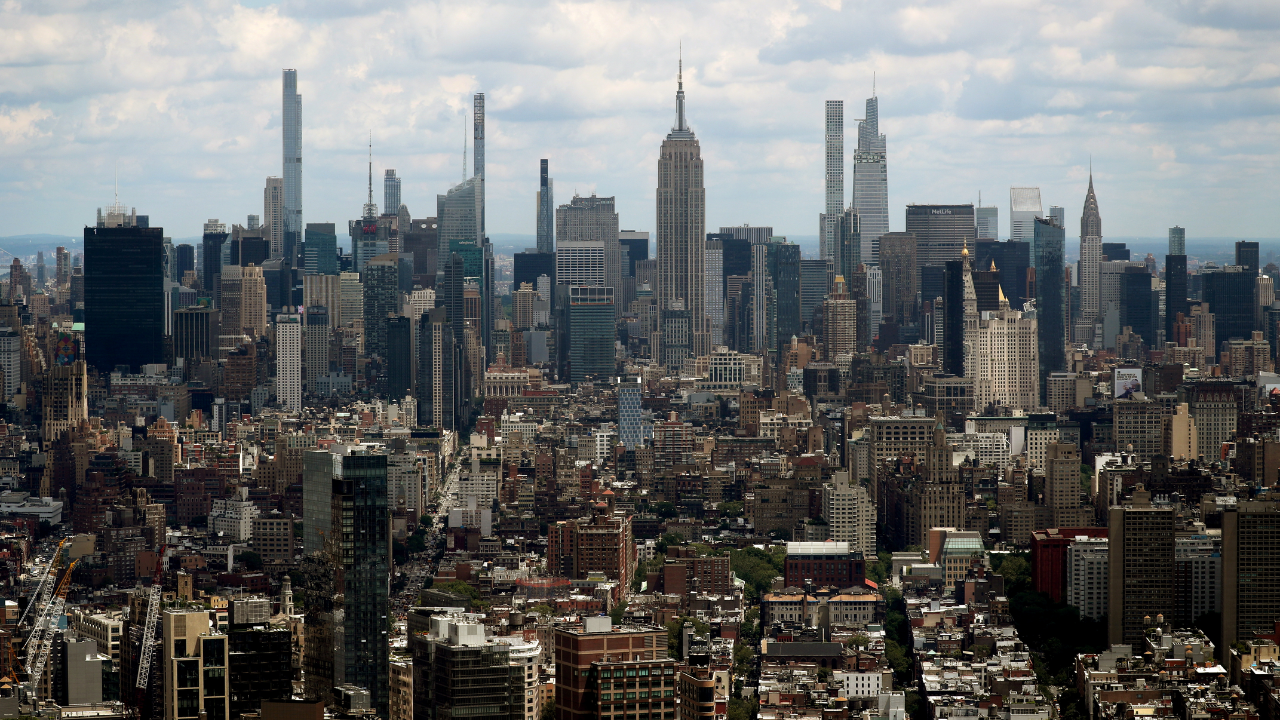
New York has introduced a new tax on certain high-value luxury homes that are not the owner's primary residence. Known as the "pied-à-terre tax," this surcharge is intended to generate around $500 million annually for the city. The tax applies to properties valued at over $5 million, as well as condos and co-ops worth $1 million or more if not the owner's primary residence.
Determining which properties are subject to this tax has proven more complex than initially anticipated. Properties frequently owned through trusts and limited liability companies can make it challenging to establish ownership and residency. Some property owners may allow distant relatives to stay in their second homes without proper documentation, while others might rent out the property without clear evidence that the tenant resides there as their primary residence.
The city has sent notices to approximately 17,000 properties suspected of being subject to the tax, allowing owners the opportunity to apply for exemptions. However, the process has faced scrutiny and legal challenges. A group of homeowners has challenged the implementation in court, arguing that the city has not adequately determined which properties will actually be liable for the surcharge. US President Donald Trump has also weighed in, stating that he is exploring federal intervention to potentially stop the tax.
The complexity of the ownership and occupancy arrangements surrounding these luxury properties has led to legal disputes and potential further litigation. City officials and real estate experts have emphasized the need for thorough documentation and evidence to prove primary residency or exemption eligibility. Despite the challenges, the tax remains in effect while the legal dispute is resolved.
Written by urgent.news from Times of India's reporting — not their text. Machine-written — may contain errors; check the original before relying on it.