NASA Wants to Float Microscopic 'Tracers' on Sunlight to Map the Edge of Space
The atmospheric is a dynamic place, and just how well we understand that dynamism depends on what part of the atmosphere it is. Low altitudes can be reached by traditional balloons, with full suites of sensing equipment. Higher reaches are the domain of satellites, with their zippy orbits allowing them to travel through the less dense regions. But there a section scientists call the…
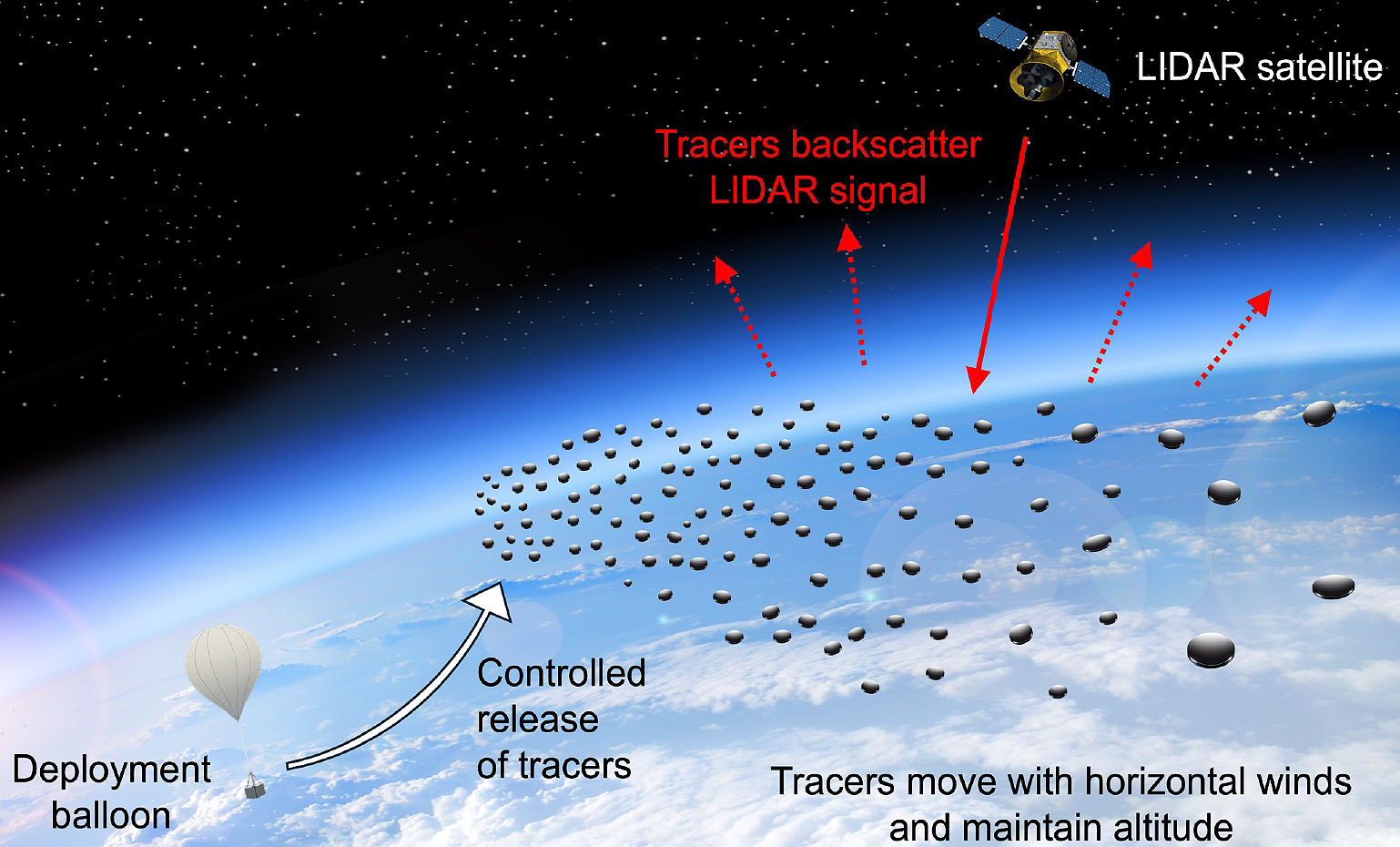
The atmospheric atmosphere is a complex and ever-changing environment, with understanding its intricacies depending on the altitude in question. Low regions can be accessed using conventional balloons, equipped with comprehensive sensing instruments. Higher altitudes, however, are dominated by satellites, which traverse the less dense atmospheric layers using their swift orbits.
A particular region, dubbed the "ignorosphere" by scientists, lies between 30-100 kilometers above the Earth's surface. This area, despite playing a significant part in global climate dynamics, remains difficult to study. Conventional sounding rockets can only gather data for brief periods before descending back to Earth. A new solution, however, has emerged in the form of a technology developed by Benjamin Schafer of Rarefied Technologies.
This technology, which has received a NASA Institute for Advanced Concepts (NIAC) grant, proposes to tackle this challenge by deploying a fleet of sensors capable of floating within this challenging region for extended periods. These sensors would offer crucial insights into the long-term patterns that influence weather conditions across the globe.
Written by urgent.news from Universe Today's reporting — not their text. Machine-written — may contain errors; check the original before relying on it.