Japan testing new tech to prevent heatstroke among elderly
A new initiative aims to identify heatstroke risks proactively as extreme heat continues to claim the lives of many elderly people indoors.
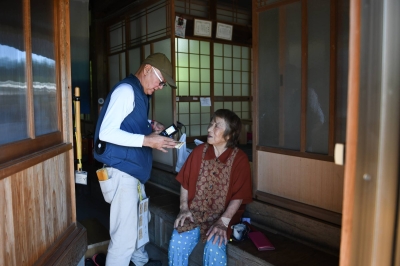
The Japanese Environment Ministry is testing a new technology to safeguard elderly individuals from heatstroke by employing artificial intelligence and sensors. This initiative seeks to proactively detect heatstroke risks, as extreme temperatures continue to claim numerous lives among older adults indoors. The project encompasses three key programs: an AI-based system that estimates core body temperatures and alerts users via a smartwatch, a monitoring system that notifies family members through an app when indoor temperatures exceed specific thresholds, and an automatic air conditioner activation system based on room temperatures.
Utilizing commercially available products from medical device manufacturers, the test began in June and will include approximately 70 participants aged 65 and older. Expected to continue until September, the trial aims to evaluate the effectiveness of these systems in preventing heatstroke. If successful, the ministry plans to support their widespread adoption starting in April 2027, following the next fiscal year.
The assessment will focus on malfunctions, usage errors, and the encouragement of preventive actions such as turning on air conditioners or relocating to cooler environments. Additionally, the ministry will conduct a survey to gauge older people’s psychological resistance to new technology, as many are hesitant to use air conditioners.
In 2024, elderly individuals constituted about 85% of heatstroke fatalities, with most incidents occurring at home. Elderly people and those with preexisting health conditions may have limited ability to sense heat and thirst, while family members and caregivers might not recognize warning signs in time. The ministry aims to enhance heatstroke prevention efforts through advanced technology, considering the increasing number of elderly living alone and the shortage of caregivers.
Written by urgent.news from Japan Times's reporting — not their text. Machine-written — may contain errors; check the original before relying on it.
This story
This is one outlet's version. Read the fullest account.