Indigenous policy is making progress in Brazil, but critical problems persist
The creation of the first Ministry of Indigenous Peoples heralded a new dawn for Indigenous rights in Brazil. But has it led to real change? The post Indigenous policy is making progress in Brazil, but critical problems persist appeared first on Dialogue Earth .
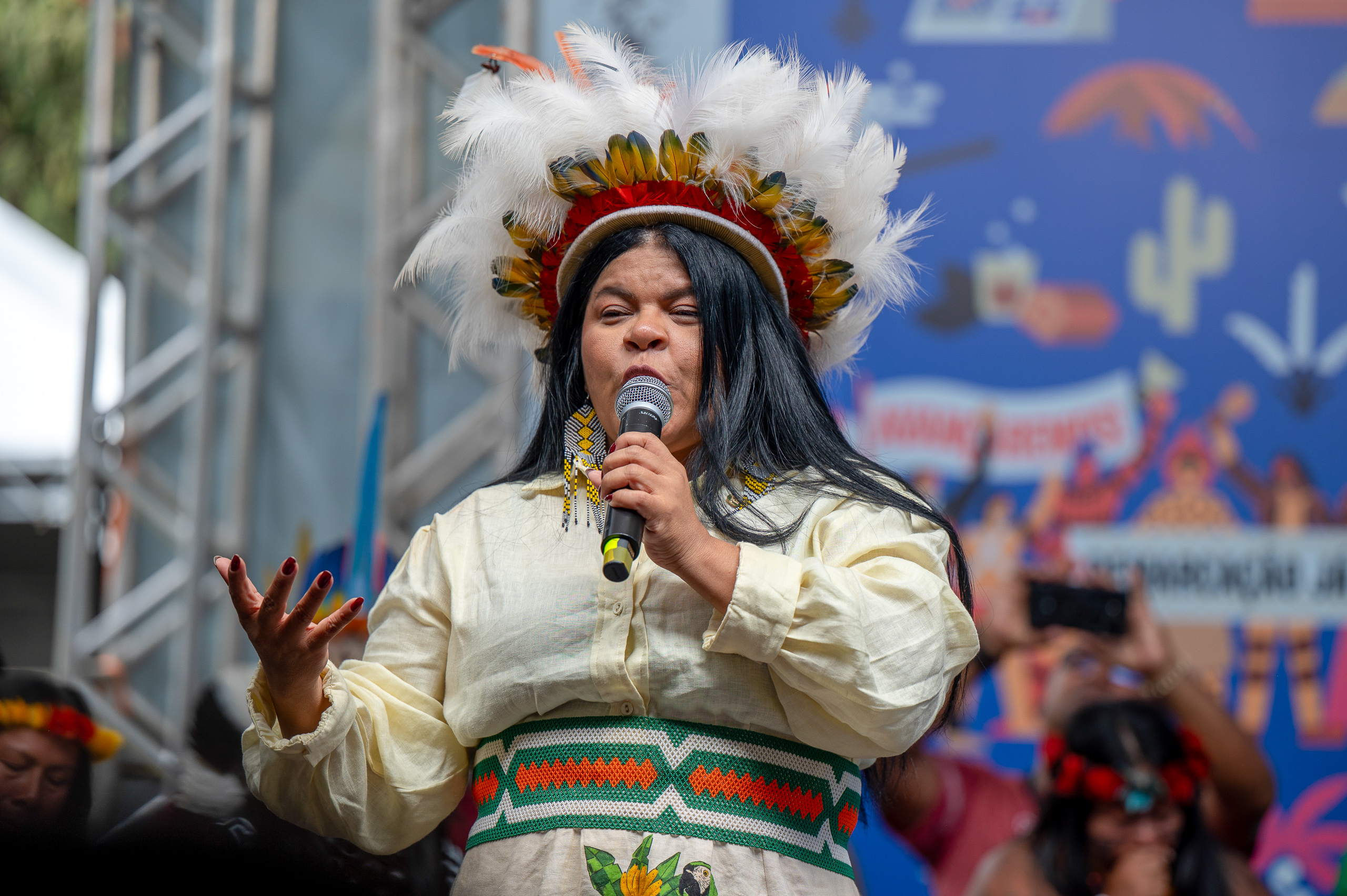
In Brazil's 2023, Indigenous leader Sonia Guajajara was appointed the country's first Minister of Indigenous Peoples, marking a milestone in the nation's commitment to Indigenous rights. This move, described by Guajajara as an "historic act of redress," aimed to elevate Indigenous issues to the forefront of governance and bolster Brazil's democratic foundations.
The creation of this ministry was part of the Lula government's strategy to position Brazil as a global climate leader, following the environmental decline under the previous administration.
Despite the appointment's symbolic importance, challenges persist. During the UN climate change summit (COP30) held in Brazil's Amazonian city of Belém in 2025, over 5,000 Indigenous representatives participated and achieved progress on significant proposals, including the demarcation of Indigenous lands. However, illegal mining and extraction continue to threaten these areas.
Guajajara, in her role as Minister, faced the challenge of rebuilding the Indigenous policy framework dismantled by her predecessor, former President Jair Bolsonaro, with limited resources.
The Lula government has taken steps, demarcating 41 Indigenous territories, a significant increase from the previous administration. However, this progress falls short of the achievements made during Lula's earlier terms. Deforestation within Indigenous territories stood at 483 km² up to July 2025, nearly reaching the record set in 2019. Although about one-fifth of the ministry's civil servants are Indigenous, this level of representation has facilitated greater inclusion of Indigenous demands in policymaking.
Despite these advancements, there are still hurdles. Dinamam Tuxá, executive coordinator of the APIB, Brazil's largest Indigenous organization, emphasized the need for improved health and education services, increased university enrollment among Indigenous youth, and the demarcation of more Indigenous lands. The Manoki Indigenous people, for instance, have been fighting for nearly six decades to protect their territory in Mato Grosso state.
Despite legal battles and state evictions, they finally saw success at COP30 when their land was approved for demarcation. However, illegal logging, burning, and land clearing continue within the territory, with plots being illegally auctioned off.
Written by urgent.news from Dialogue Earth's reporting — not their text. Machine-written — may contain errors; check the original before relying on it.