How to see and photograph the partial lunar eclipse on August 27-28
It may not be a 'blood moon' total lunar eclipse, but with more than 96% of the moon immersed in Earth's shadow, it promises a fine lunar observing and photography opportunity. Here's what to know.
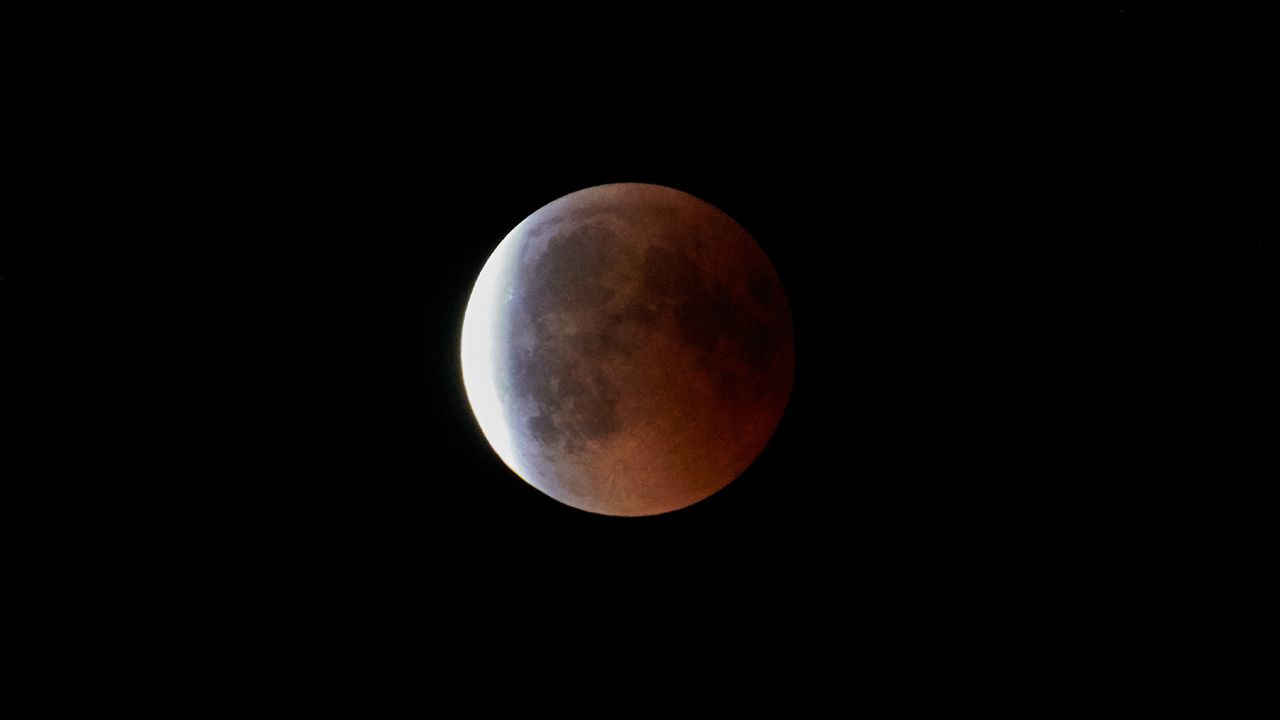
Following the total solar eclipse on August 12, a rare partial lunar eclipse will grace the skies on the nights of August 27-28. Earth's shadow will obscure more than 96% of the full moon, leaving much of its surface tinged with a coppery red hue visible through cameras. Although it doesn't quite reach the threshold of a total lunar eclipse, marking it as a "blood moon," it will still provide an awe-inspiring spectacle.
This will be the most profound lunar eclipse seen anywhere in the world until the next total lunar eclipse on December 31, 2028.
Unlike solar eclipses, lunar eclipses are perfectly safe to view with the naked eye and unfold gradually over several hours, offering ample opportunity for observation and photography. With a variety of equipment available, ranging from binoculars to telescopes, this presents one of the best lunar photography opportunities in recent years.
The alignment of the sun, Earth, and the moon, occurring during the same eclipse season, often leads to pairs of solar and lunar eclipses. This particular lunar eclipse will be most visible to observers in North and South America, allowing them to witness every stage of the eclipse high in the night sky. Meanwhile, those in Europe will observe the eclipse just before dawn as the moon sets towards the western horizon.
Choosing the right equipment is crucial for enjoying and capturing this event. Large binoculars, such as Canon's image-stabilized models or the SkyMaster 15x70, can provide steady, detailed views of the eclipsed moon without the need for a tripod. These high-powered instruments, albeit expensive, are among the best available for lunar observing. Alternatively, the Nikon Monarch HG 10x42 offers a lightweight, waterproof design and is well-suited for both lunar eclipses and stargazing.
For those considering telescopes, the StarSense Explorer LT 70AZ is an ideal choice for beginners. It offers a user-friendly experience and delivers crisp, high-contrast views of the moon, revealing craters and the shadow of Earth with exceptional detail. Adding a tracking mount can further enhance the experience, keeping the moon centered for hours, making both observing and photography more manageable.
Written by urgent.news from Live Science's reporting — not their text. Machine-written — may contain errors; check the original before relying on it.