How to image the planets with a telescope and camera
Follow our step-by-step tutorial to photographing Jupiter, Saturn, Mars and Venus
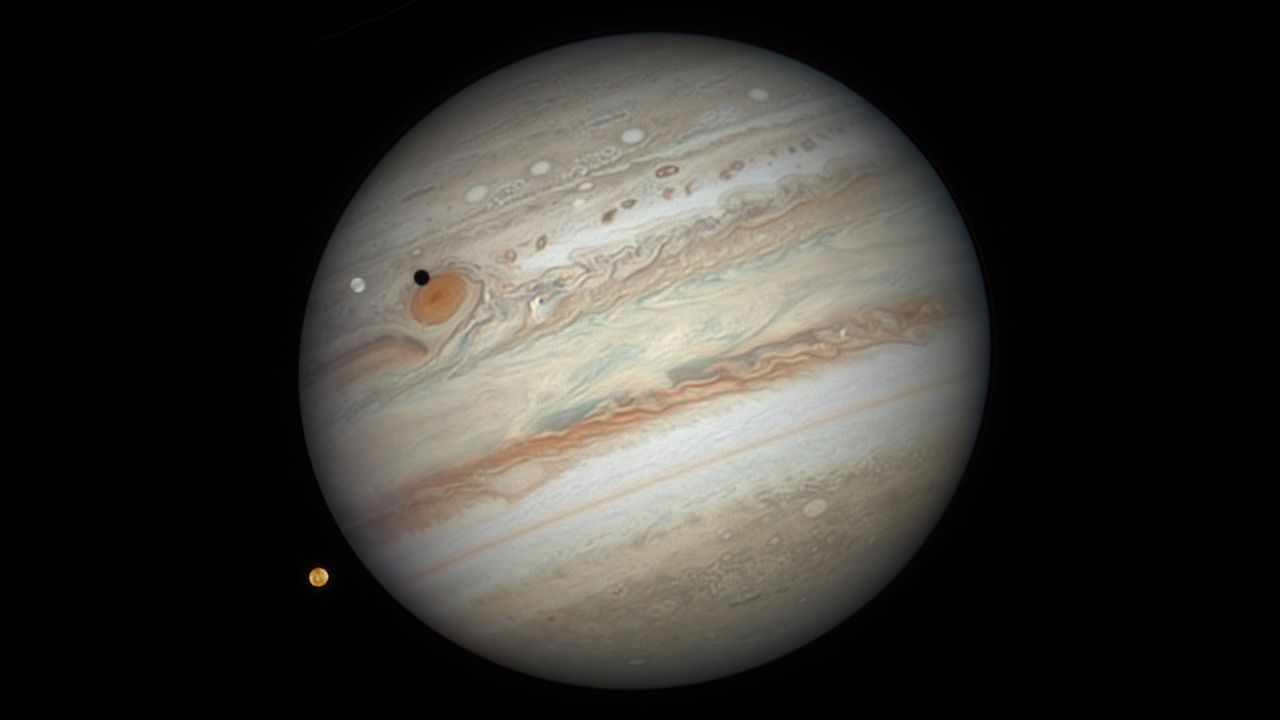
The night sky offers a wealth of wonders, yet witnessing the process of photographing planets in stunning detail remains a truly captivating experience. Even with a relatively simple telescope and camera setup, it is possible to capture cloud bands on Jupiter, the striking rings of Saturn, or the polar caps of Mars. This technique, referred to as lucky imaging, involves recording brief video clips at high frame rates to freeze transient moments of stable air, which are then combined into a single, sharp image.
No advanced skills are required to begin this endeavor. Whether you own a modest backyard telescope or are in the market for your first planetary camera, this guide provides all the necessary information to achieve success. In this comprehensive tutorial, you will learn a complete workflow, ranging from setup to final image, explore why certain planets are more accessible than others, and find answers to common questions that beginners often encounter.
With clear skies, patience, and practice, you will soon be producing gallery-worthy shots from the comfort of your own home.
Written by urgent.news from Space.com's reporting — not their text. Machine-written — may contain errors; check the original before relying on it.