How kids feel about AI, in their own words
When we set out to talk to kids about artificial intelligence, we thought we knew what we’d hear. We expected some to tell us they were using it to cheat a little, the way Millennials and Gen Xers opened up CliffsNotes or programmed formulas into their TI-82s, and others to share inspiring ways they were…
When interviewing children about artificial intelligence, researchers anticipated a range of responses, but the actual conversations revealed a complex and nuanced perspective. Many of the same youngsters who passionately discuss their hobbies, such as music, sports, or outdoor adventures, approached questions about AI with casual responses like "bruh" or expressed a general lack of interest.
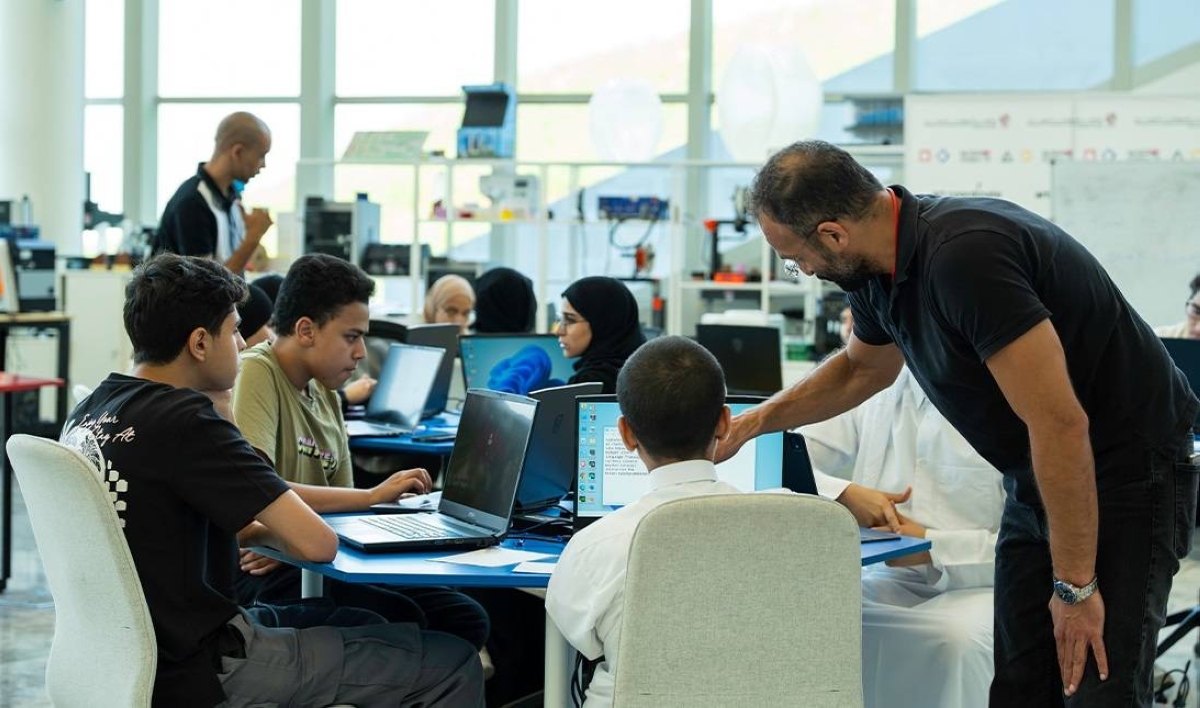
Some teenagers openly disapproved of AI, citing concerns over environmental impact, while others found the field disheartening, fearing AI could stifle creativity and critical thinking. However, surprisingly, most of the children admitted to using AI to some degree. For many elementary and middle school students, AI emerged organically through parental guidance or educational settings, often seamlessly integrated into familiar devices and applications like Google searches.
The findings align with recent data: a 2026 Pew Research Center survey revealed that 57% of US teens used chatbots for information searches, 54% utilized them for schoolwork assistance, and 47% employed them for entertainment. Only 12% turned to AI for emotional support or guidance. Despite these numbers, only a small fraction used AI for potentially harmful purposes.
Some teenagers even employed AI for constructive purposes, such as creating characters, tech platforms, or tutoring tools for their peers. While acknowledging the risks, experts argue that the primary concern lies in educating young users about responsible AI usage rather than avoiding the technology altogether. Instead of teaching teens to shun AI, they should learn to navigate it prudently, much like learning to drive a car rather than avoiding automobiles entirely.
Perhaps most intriguing was the potential for young people to provide valuable insights to adults regarding AI's societal implications, demonstrating their understanding of both the potential benefits and hazards.
Written by urgent.news from MIT Technology Review's reporting — not their text. Machine-written — may contain errors; check the original before relying on it.