How AI agents will change how people work — and what they need from a PC
As AI agents transform work, organizations must rethink what they need from their PC fleets.
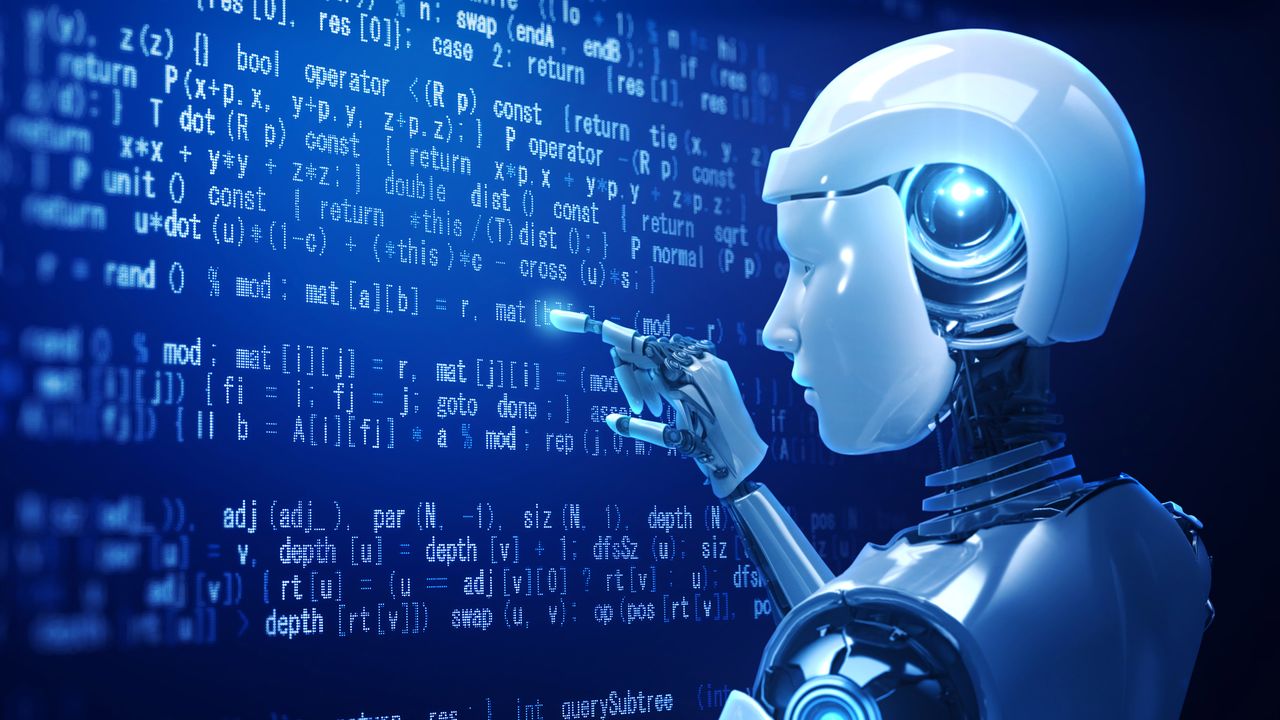
For years, the PC functioned as a tool awaiting user commands. Advanced software still relied on human guidance to open, direct and verify outcomes. However, AI agents are altering this dynamic. Instead of merely reacting to prompts, AI agents aid users in achieving goals through multiple steps. They maintain context from prior interactions, utilize approved tools and automate workflow portions within organizational constraints.
This transformative shift is reshaping organizations' perspectives on PCs. Traditionally, buying decisions centered on performance, reliability, security and affordability – determining whether a device could run required software. Now, organizations must also consider whether a device supports employees collaborating with AI agents, making fleet refreshes about more than specifications.
The PC is no longer a mere tool; it plays a pivotal role in daily work. Historically, PCs responded to user actions – opening applications, entering data or initiating tasks. With AI agents, they can proactively assist by navigating workflows, presenting relevant information and linking tasks. Preparing for meetings or drafting reports are current possibilities, while future applications may involve maintaining project comprehensions, identifying risks, tracking commitments and surfacing pertinent information before employees even consider searching for it.
In essence, PCs evolve from mere application launchers to platforms facilitating information, insight and action connection across tasks. Achieving this requires more than running a browser and spreadsheet; agents need to maintain work continuity, access secure information and support multiple AI-driven processes without compromising performance or governance, demanding new requirements and strategic fleet decisions.
As AI integration expands, organizations scrutinize where processing occurs. Enhanced PC hardware enables more AI processing locally, crucial for AI agents requiring continuous operation and handling sensitive data. This is especially vital for regulated sectors such as finance or healthcare, where confidence in data processing, storage and governance is paramount.
Running AI workloads locally grants organizations greater flexibility in meeting regulatory demands, reinforcing the PC's significance. Organizations must ensure employees can work seamlessly alongside AI agents. Devices must securely support AI experiences, connect activities across workflows and align with governance requirements.
While hardware is crucial, it's only part of the solution. A "transformation paradox" exists where employees are eager for AI tools, yet organizations struggle to support them. Only 30% of UK AI users perceive clear leadership alignment on AI strategy, and 13% feel rewarded for AI-driven work redesign. The gap between AI's potential and organizational readiness must be addressed, but hardware is a straightforward aspect of the solution.
Inadequate readiness in AI-ready fleets merely adds friction to existing cultural and leadership challenges. As AI agents become commonplace, PCs transform from performance-focused devices to those that effectively aid AI-driven work. The PC transcends application-running gateways, emerging as a platform connecting information, intent and action.
Early recognition of this shift positions organizations to capitalize on AI's opportunities. This article, part of TechRadar Pro Perspectives, reflects the author's views and not necessarily those of TechRadarPro or Future plc.
Written by urgent.news from TechRadar's reporting — not their text. Machine-written — may contain errors; check the original before relying on it.