Amazing Views of Wednesday's Total Solar Eclipse
It was an eclipse for the ages. This past week, many an eclipse chaser and the ‘eclipse curious’ made the journey to stand in the shadow of the Moon, for the only total solar eclipse of 2026. Viewers across northeastern Spain had thrilling views of a low to the horizon eclipse at sunset, while viewers to the north and across Iceland had dicier, cloudy skies to contend with. Here are amazing…
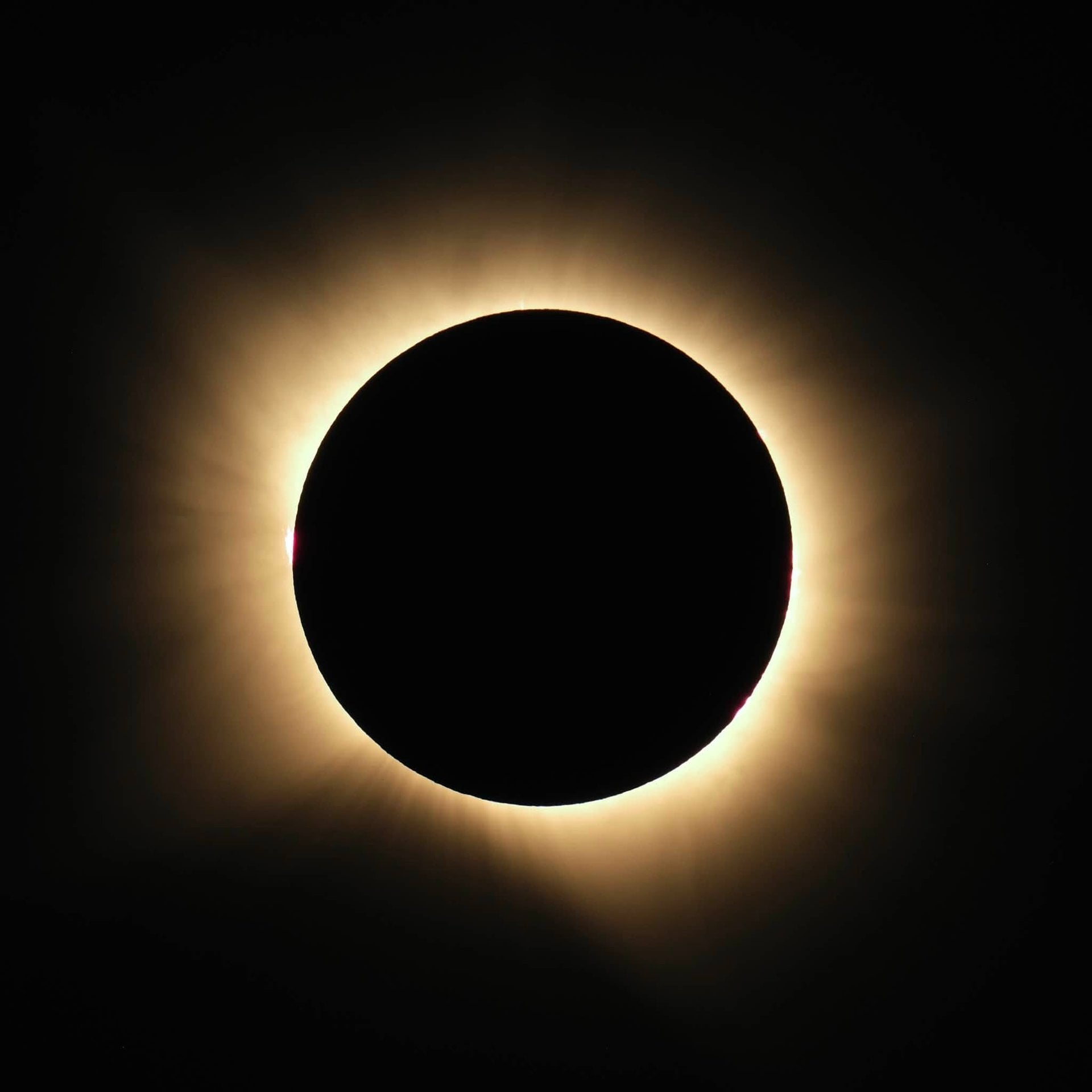
On August 12th, 2026, the world witnessed a breathtaking total solar eclipse. Viewers from across the globe flocked to experience this celestial phenomenon, either on Earth or from space. In northeastern Spain, the eclipse was low to the horizon and offered a thrilling view at sunset. Meanwhile, those in the north and across Iceland faced cloudier skies, making observation more challenging.
Many individuals who had never experienced a total solar eclipse before made the journey to witness this rare event. Eclipse chasers and the "eclipse curious" alike made the trek, some even venturing to remote locations like the Russian Arctic coast, where they would have been treated to a strange, horizon-skimming eclipse.
The path of the eclipse was unique, wrapping around both poles. Unfortunately, due to cloud cover, some areas like Greenland and Iceland did not fully experience totality. However, those who did manage to see it were treated to a spectacular corona, pink chromosphere, and beautiful prominences.
Astronomy enthusiasts reported that the experience was truly magical. Astrophotographer Chris Becke captured a unique view of a solar prominence on the limb of the Sun during totality, while Deborah Simpson and her husband Manuel in northern Spain witnessed a classic "diamond ring" capture during totality.
Astrophotographer Eliot Herman managed to capture a stunning image of totality from a hillside in Spain, despite some haze in the sky. Meanwhile, Aaron Fothergill from the United Kingdom managed to catch a partial eclipse sequence using a Dwarf Lab Dwarf Mini smartscope.
The experience was further enhanced by other celestial events, such as a helicopter hovering in front of the Moon, refracting sunlight, and balloons floating past a partially eclipsed Sun in Switzerland. GOES-19 weather satellite and the European Space Agency's Meteosat MTG-11 satellite also provided unique views of the eclipse from space. The next total solar eclipse is eagerly anticipated, but until then, the memories of this amazing celestial event will remain etched in the minds of those who witnessed it.
Written by urgent.news from Universe Today's reporting — not their text. Machine-written — may contain errors; check the original before relying on it.