'Gang mentality': Former jihadist tells inquiry how he left extremism
A former Salafi jihadist-turned undercover operative has told the royal commission on antisemitism how he became radicalised after an encounter with the Taliban.
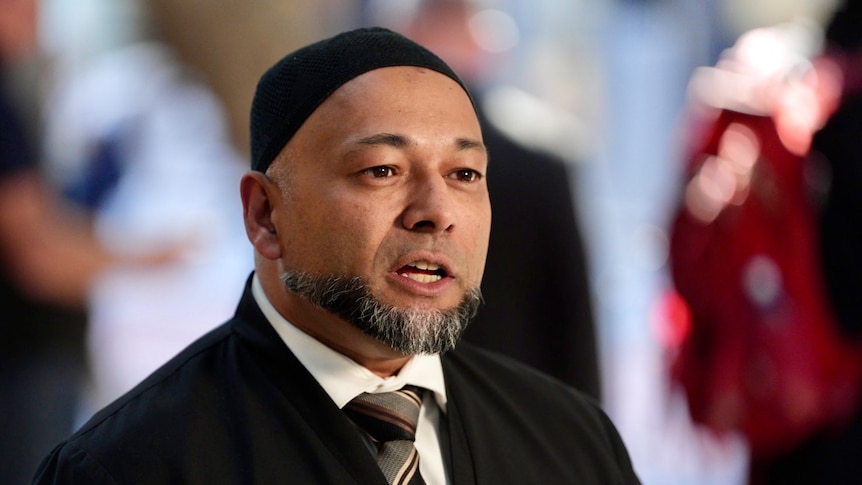
Mubinoddin Shaikh, a former jihadist, testified before the Royal Commission on Antisemitism and Social Cohesion about his path from extremism to deradicalisation. Shaikh grew up in a conservative Muslim household in Toronto and became radicalised during a religious tour in Pakistan in 1995. He was drawn to the Taliban after a chance encounter with their members, who impressed him with their beliefs and weapons.
He believed joining them would fill the void he felt in his life. Upon returning to Canada, Shaikh left the Tablighi Jamaat and joined an extremist Salafist group, discussing geopolitical events and a desire to fight in Chechnya. The group's sense of unity and intimidation fostered a "gang mentality" among its members.
Shaikh's deradicalisation began after the 9/11 attacks, when he struggled to reconcile mass violence with his Islamic faith. His ties to the Salafist group weakened after he got married and started planning for a family. He later pursued Arabic and Islamic studies in Syria and was recruited as an undercover operative for the Canadian Security Intelligence Service and the US military.
Shaikh now works with Peace for Parents, a non-profit organization supporting families and groups affected by extremism. He focuses on antisemitism-related cases, noting that 70% of their cases show some antisemitic influence. He believes antisemitism connects various extremist ideologies. Commission hearings also discussed the New South Wales Engagement and Support program, which helps vulnerable individuals and families to extremist influences.
While the program doesn't attempt to alter beliefs, it helps participants self-recognize and reconsider their views. Shaikh disagreed with this approach, stating that government agencies may not be equipped to engage deeply with individuals' beliefs.
Written by urgent.news from ABC News AU's reporting — not their text. Machine-written — may contain errors; check the original before relying on it.