Galamsey crisis: Kyebi Water Plant shut as turbidity makes treatment impossible
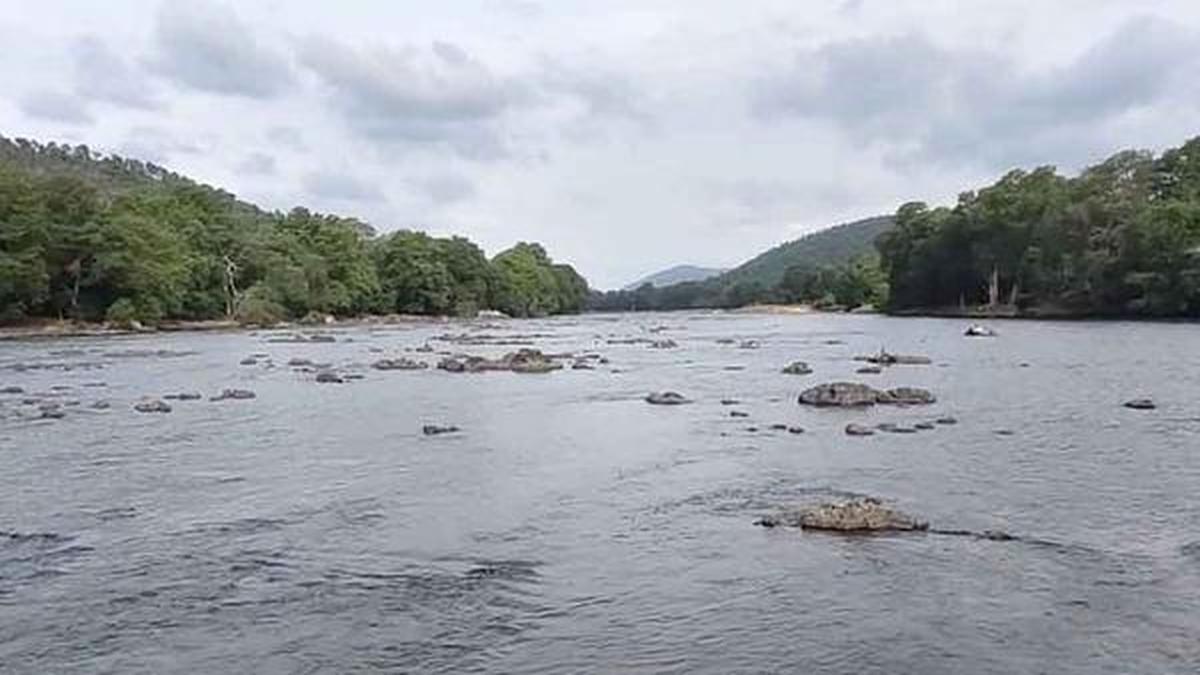
The fight against illegal mining is putting Ghana’s water supply under renewed pressure, with the Kyebi water treatment plant reportedly shut down due to extremely turbid raw water. Convener of the Media Coalition Against Illegal Mining, Dr Ken Ashigbey, disclosed this on Joy News’ PM Express, describing the situation as evidence of the worsening impact of […]
The Kyebi water treatment plant has been forced to close due to an overwhelming amount of suspended particles in the river water, rendering the treatment process impossible. Dr Ken Ashigbey, spokesperson for the Media Coalition Against Illegal Mining, revealed this on Joy News' PM Express. The situation, he explained, underscores the escalating harm caused by illegal mining activities on Ghana's water sources.
"If you go to Kyebi currently, the water treatment plant is shut. It is because the turbidity of water you can't operate it because what will go into it will be sludge." The issue has sparked widespread worry over the environmental devastation wrought by illegal mining, despite ongoing efforts by both government and civil society groups to curb the practice.
Ashigbey questioned the on-going existence of illegal mining operations in areas where law enforcement agencies are stationed, asking how they could permit such illicit activities. "So how dare all of us that you have in a year, a police station overlooking a river where galamsey is taking place, and we allow that to happen?" He also highlighted the prevalence of illegal mining along major roads and waterways, emphasizing the scale of the problem is now undeniable.
"How dare all of us on the road from Bonsu through Enyinem, through Osino, and hidden in clear sight, people are just doing these things with reckless abandon." Ashigbey's remarks raise questions about the government's efforts to remember those who have fallen while safeguarding Ghana's natural resources. "So for me, unfortunately, including myself, I’m not too sure we’ve honoured them."
A major demand from civil society, he noted, is for the government to publish water quality results on a monthly basis. "One of the asks that we had as civil society of the President, which he told us was going to happen, is the fact that they were going to publish the water quality results on a monthly basis." The lack of regular updates leaves citizens in the dark about the safety of their drinking water, Ashigbey pointed out.
"But now we go to a state entity that is paid with, you know, and they don’t think that we need to know that the water that we are drinking is it because those who are running it are part of the people who are importing water, and that’s what they are drinking." He also criticized the persistence of illegal mining, despite multiple pledges to intensify the crackdown.
"And let me give you another example in what you just said. One of the asks that we had as civil society of the President, which he told us that was going to be happening, is the fact that they were going to publish the water quality result on a monthly basis." Ashigbey stressed the urgent need for intervention from all institutions with the authority to act.
"We will do what we have to do humanly possible, but we need the intervention, including everybody who has to take a decision." He warned that the destruction of water bodies is endangering public health and safety, urging Ghana to face the repercussions of permitting illegal mining to persist. "We have unfortunately not honoured these people who have died in the quest of saying that they are going to save all of us our lives. We have not honoured them."
Written by urgent.news from Adom Online's reporting — not their text. Machine-written — may contain errors; check the original before relying on it.