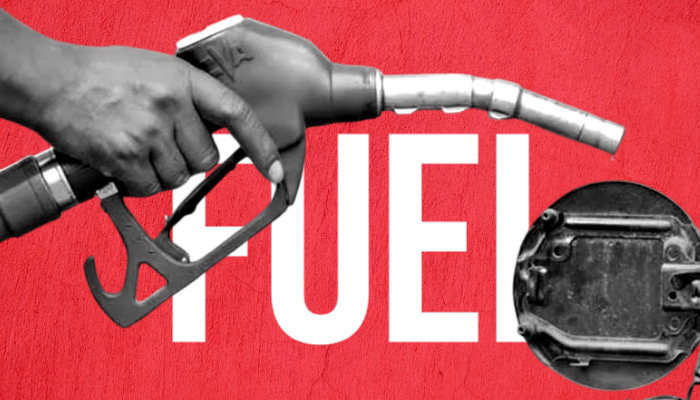
Fuel prices have risen by more than 33% in Ghana since the start of the year – JoyNews Research
Petrol and diesel prices in Ghana have risen by more than 33% since the start of the year, according to industry data tracked by JoyNews Research, piling pressure on households and businesses still recovering from the country's worst economic crisis in a generation.
Petrol and diesel prices in Ghana have surged by more than 33% since the beginning of the year, according to research by JoyNews. This price hike has put additional strain on families and businesses that are still grappling with the country's most severe economic downturn in a generation. The National Petroleum Authority increased the minimum price floor for petrol to GH¢14.53 per litre and for diesel to GH¢16.97 per litre during the first pricing window of August.
These increases amounted to 9.4% and 18.3% respectively, compared to the previous rates. Oil Marketing Companies, however, priced their products significantly higher at an average of GH¢15.98 per litre for petrol and GH¢17.30 per litre for diesel. The government attempted to provide temporary relief by reducing the regulatory margin on diesel by GH¢2.00 per litre in early August, as approved by the Cabinet.
This measure was implemented earlier to alleviate the impact of a previous surge in crude oil prices. Yet, such interventions come at the expense of government revenue. Ghana fully deregulated petroleum pricing in 2015, meaning that rapid changes in international fuel prices impact consumers more quickly than in neighboring countries that still subsidize fuel.
Despite these temporary measures, prices have remained high, raising concerns that persistent increases could contribute to inflation. The Ghana Private Road Transport Union has been advocating for a 30% fare increase, but suspended it after the government's diesel relief. The union stated that it would monitor the upcoming pricing windows in August before deciding whether to reintroduce the hike, warning that further fuel price hikes could prompt a reevaluation.
Despite a slight slowdown in inflation to 4.6% in July, the Bank of Ghana has identified elevated crude prices and Middle East tensions as significant upside risks to the economy. With the cedi weakening by over 10% against the U.S. dollar since the start of the year, Ghana's reliance on imported refined petroleum products priced in dollars has exacerbated the pressure on pump prices.
Even with the central bank injecting billions of dollars into the foreign exchange market, businesses continue to demand dollars faster than the market can supply. The surge in fuel prices can be attributed to two primary factors. The weakening of the cedi has directly contributed to the higher costs of importing refined petroleum products.
The ongoing Middle East conflict has also driven Brent crude oil prices higher, but prices have remained elevated due to tensions in the Strait of Hormuz, a critical chokepoint for global oil shipments.
Written by urgent.news from MyJoyOnline Ghana's reporting — not their text. Machine-written — may contain errors; check the original before relying on it.