Fate of the AMOC may depend on how quickly CO2 rises
The critical current could remain stable beyond 5°C of warming, but only if the warming happens very slowly
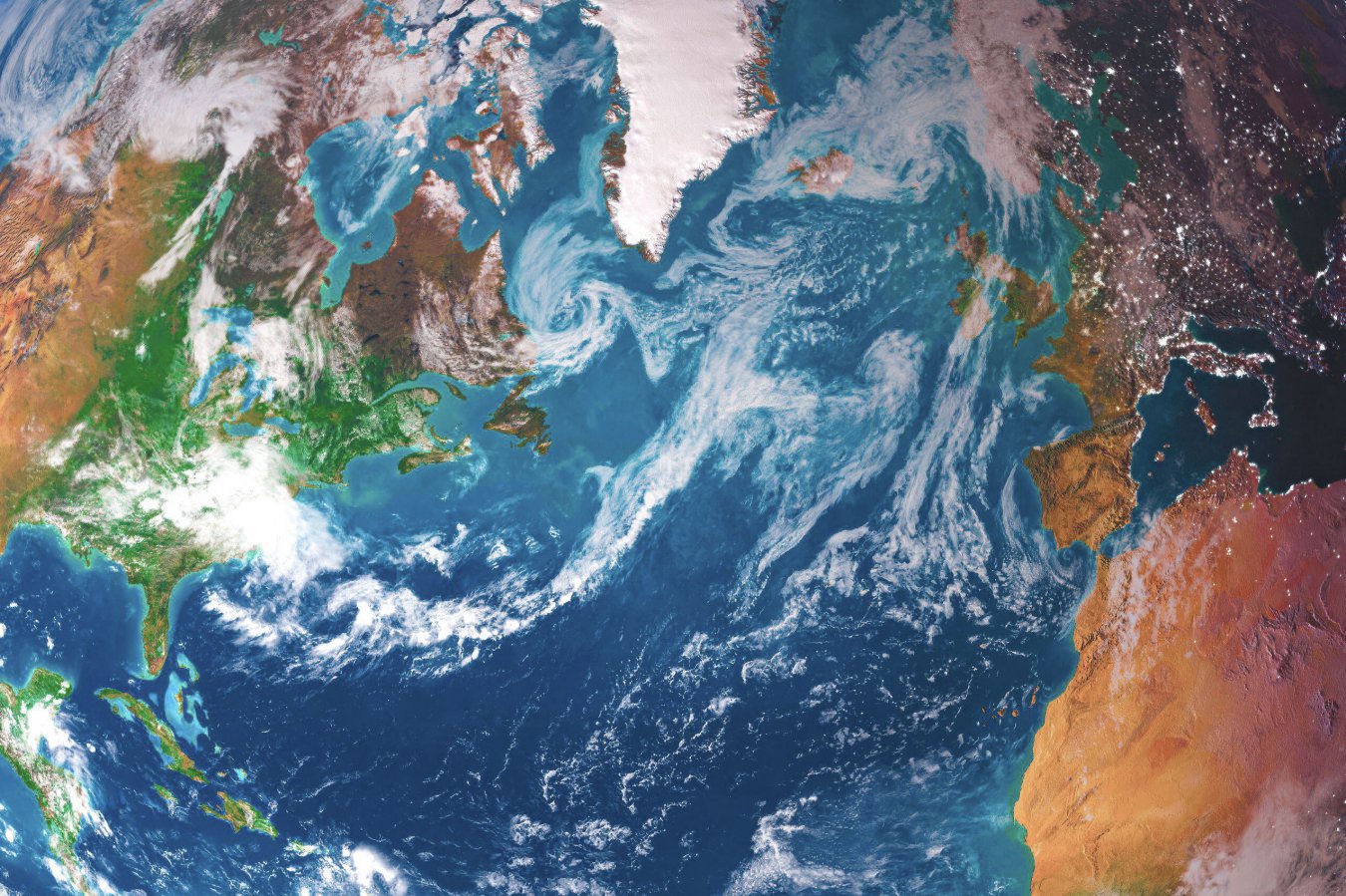
The stability of a crucial ocean current known as the Atlantic Meridional Overturning Circulation (AMOC) may be more influenced by the speed at which Earth heats up than by the ultimate temperature level reached. Even if global temperatures rise by more than 5°C above pre-industrial levels, the AMOC could still function properly, provided the warming occurs gradually. However, rapid warming, akin to the current rate, could potentially trigger the collapse of the AMOC at just 2°C above pre-industrial levels.
Researchers from the University of Utrecht in the Netherlands, led by René van Westen, used a sophisticated climate model to simulate the AMOC's stability under three distinct rates of warming. The first scenario involved a slow increase in carbon dioxide concentrations of 0.5 parts per million per year, the second scenario was five times faster, and the final scenario was ten times faster, reflecting the current rate of warming.
The study found that under very slow rates of warming, the AMOC remained stable even beyond a 5°C rise in temperatures. This discovery surprised the researchers. However, under current warming rates, the AMOC collapses at around 2°C of warming. If emissions are not significantly curbed, this collapse could happen around 2060, according to van Westen. "We need to consider that this is a scenario that can develop over the upcoming decades if we remain at these warming rates," he adds.
The AMOC transports warm, salty water from the Gulf of Mexico towards the North Atlantic, where it cools, sinks, and flows back south along the ocean floor. Without it, Europe would experience a 10 to 30°C drop in winter temperatures, and global rainfall patterns would shift dramatically, leading to catastrophic consequences. The AMOC relies on surface water around Greenland to sink into the deep ocean, a process dependent on the surface water cooling and becoming dense enough to descend.
However, under rapid warming, surface waters warm up and lose density much faster than the deep ocean, leading to stratified ocean layers that can no longer effectively mix. Slower warming allows both surface and deep ocean water to change at a similar pace, maintaining the ocean's ability to mix. The findings suggest that a significant slowdown in the rate of CO2 emissions could prevent the AMOC from collapsing, even if the world does not achieve net-zero emissions in the medium term.
While the model does not account for factors such as Greenland ice sheet melting or other greenhouse gas emissions like methane, the main takeaway is clear: the faster fossil fuel burning continues, the higher the risk of AMOC collapse. Slower emission reductions could provide a better chance of averting potential AMOC weakening.
Written by urgent.news from New Scientist's reporting — not their text. Machine-written — may contain errors; check the original before relying on it.