Evolving political views linked to changes in brain activity
A small longitudinal study reveals that as people’s political loyalties evolve, their brain activity patterns shift in tandem. These neural changes are driven more by shifting group identity than by alterations in abstract ideological beliefs.
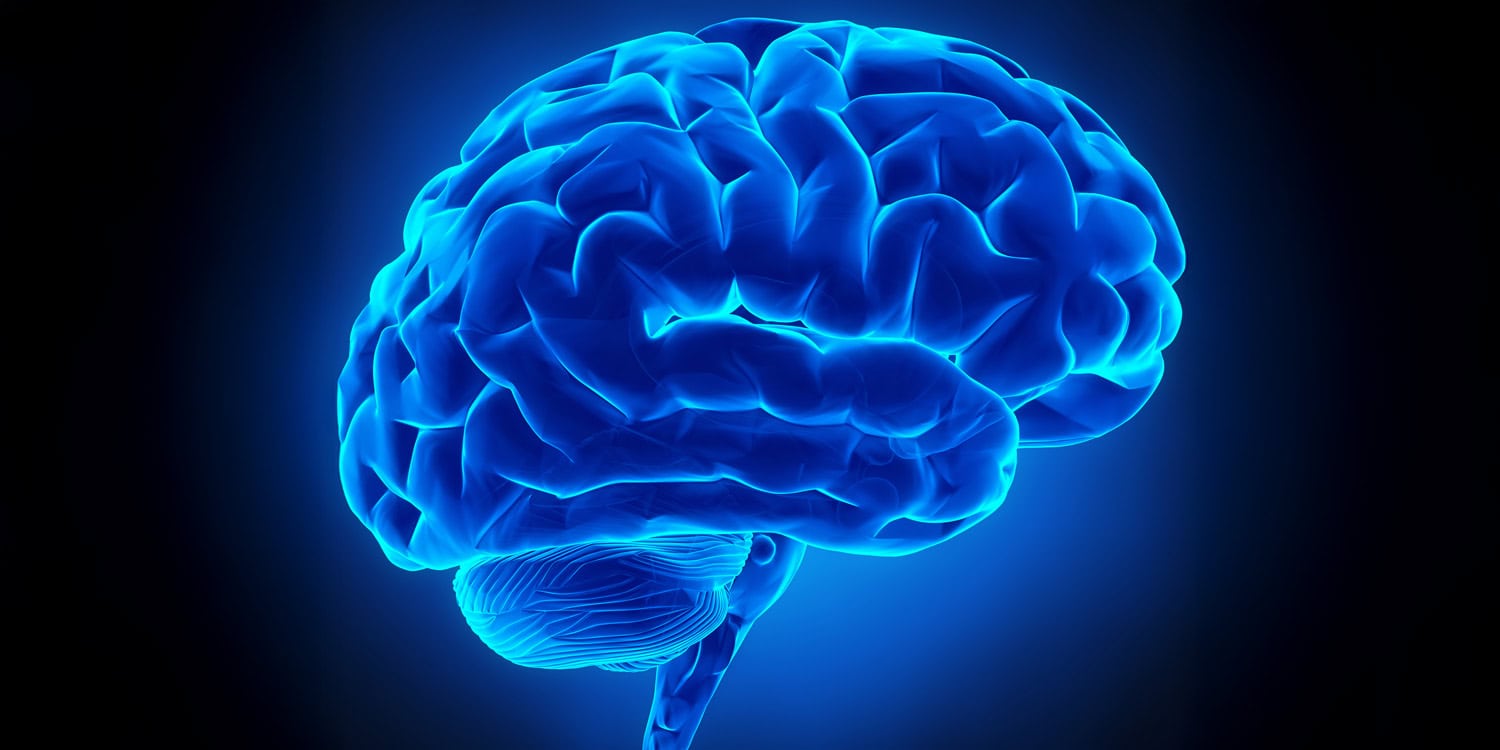
People's shifting political affiliations correlate with changes in how their brains respond to political content, according to a study tracking individuals over two and a half years. Research, published in Communications Psychology, reveals that evolving political loyalties impact brain activity in regions associated with emotion and memory.
The study, led by Tel Aviv University neuroscientists Gal Boiman, Tal Ohad, and Yaara Yeshurun, examined how social identity influences the brain's processing of political information. Traditionally measured by abstract beliefs, political identity has become increasingly tied to group loyalty, overshadowing specific policy stances.
In recent years, political polarization has become more personal, with voters prioritizing the alignment of politicians with their faction over legislative details. This shift has sparked interest in how changes in worldview manifest physically within the brain. Previous neuroimaging studies often compare different groups at a single moment, rarely tracking an individual's neural responses as their perspectives evolve.
The researchers capitalized on a period of political instability in Israel following the 2019 elections, creating a rare opportunity to observe real-time shifts in political loyalties. Participants were scanned twice, in April 2019 and August 2021, while watching identical campaign advertisements and speeches from various political parties.
They also answered questionnaires measuring their engagement, emotional responses, and sentiment toward the politicians. After the 2021 scan, participants reflected on how their opinions had changed since the first session. The researchers calculated a score representing the alteration in each person's interpretation of the videos.
They divided these changes into shifts in abstract ideology and changes in group identity, capturing how participants felt about specific politicians and factions. The brain scans showed the least change in areas responsible for basic sensory processing, like the visual and auditory cortices. In contrast, the largest differences in activity were found in regions involved in memory, emotion, and reward processing, including the amygdala, hippocampus, and striatum.
These areas showed heightened activity when participants viewed politicians making unexpected alliances or altering their political positions. The analysis demonstrated that changes in brain activity correlated with changes in how participants interpreted the videos. The researchers found the strongest link between altered brain activity and shifts in group identity and specific politicians, rather than abstract ideological beliefs.
This suggests that shifting political loyalty is more closely linked to how the brain processes information than to changes in policy opinions. The study's natural observation of changes over time allows only for identifying associations, not establishing direct causes. It remains unclear whether changing political attitudes cause neural processing pathways to shift or if underlying neural changes lead to new political attitudes.
Written by urgent.news from PsyPost's reporting — not their text. Machine-written — may contain errors; check the original before relying on it.