Could buffalo leeches help inspire future blood-thinning drugs?
UMK researchers are studying anticoagulant proteins in the saliva of a local species for potential medical applications.
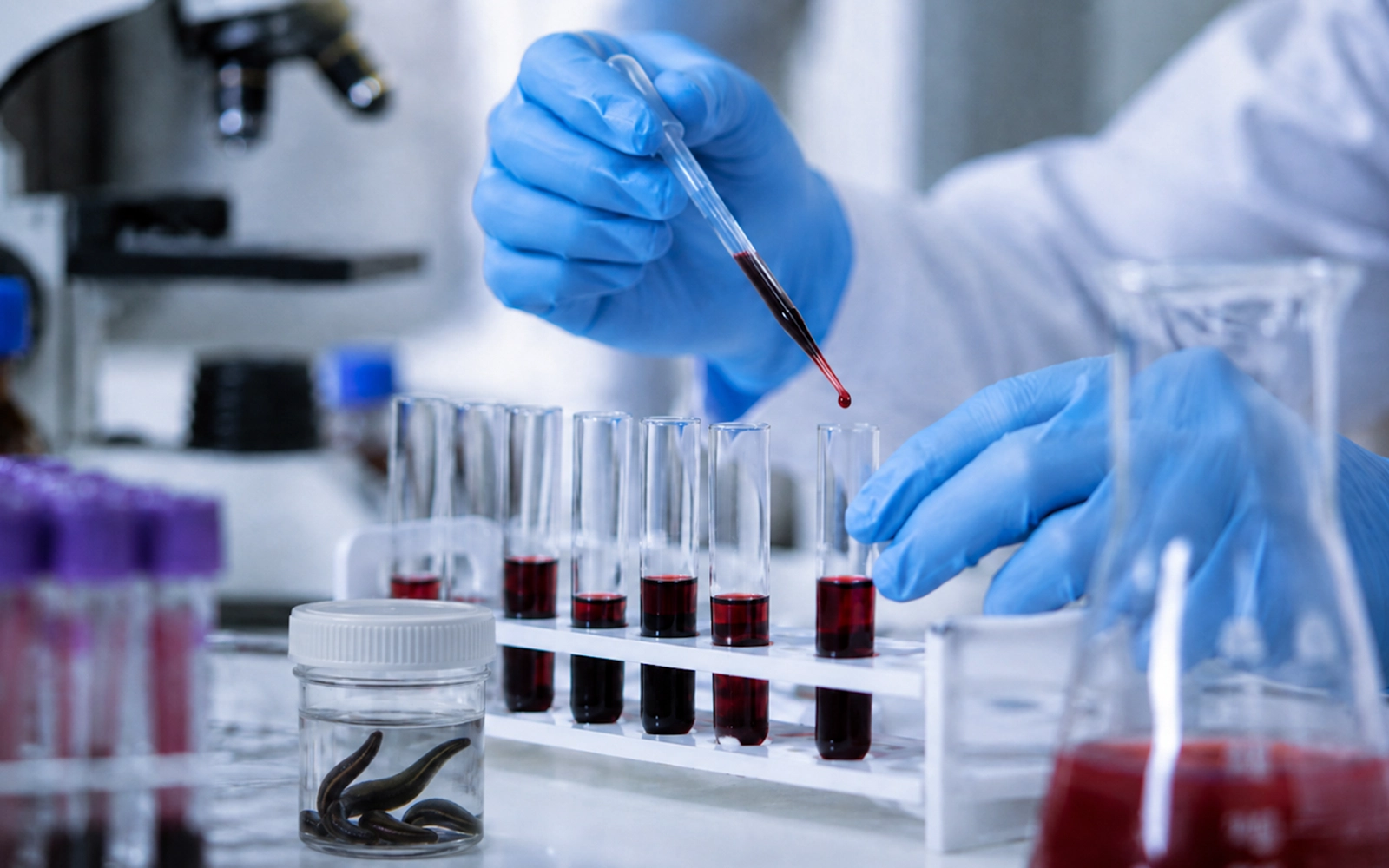
Researchers in Kelantan are investigating proteins found in the saliva of the buffalo leech, Hirudinaria manillensis, for potential use as an anti-clotting drug. A three-year study at Universiti Malaysia Kelantan has found that the proteins can slow down clot formation, similar to existing anticoagulants. The senior lecturer involved in the project, Dr Zulhisyam Abdul Kari, highlighted that the proteins act on thrombin, an enzyme involved in blood clotting, which has made these compounds a focus for medical and pharmaceutical interest.
Buffalo leeches were selected for the study due to their larger saliva production and the presence of useful proteins compared to terrestrial leeches. This makes them a promising candidate for further study and potential biotechnology applications. Leeches have been used in medicinal therapy for specific clinical settings, emphasizing the importance of the research.
However, the researchers emphasize that the study is still in its early stages, and further funding would be needed to conduct more detailed molecular biology research. The findings of this research could lead to the development of new blood-thinning drugs, offering hope for those who require such treatments.
Written by urgent.news from Free Malaysia Today's reporting — not their text. Machine-written — may contain errors; check the original before relying on it.
Also reported by 1 other outlet
- Could buffalo leeches help inspire future blood-thinning drugs? freemalaysiatoday.com