Climate change and AI add to pressures on Asia Pacific’s health systems
Extreme weather is exacerbating disease risks and threatening healthcare infrastructure, warned WHO officials at the Asia-Pacific Parliamentarian Forum on Global Health.
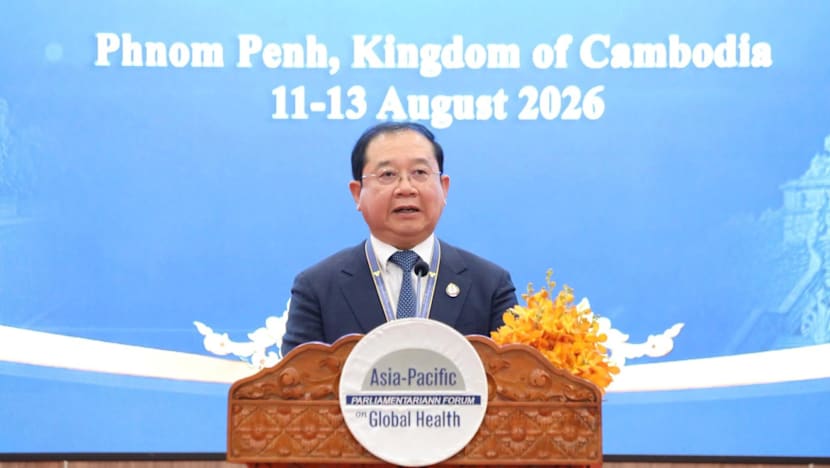
The Asia-Pacific Parliamentarian Forum on Global Health, organized by the World Health Organization (WHO), is underway in Phnom Penh, Cambodia. The three-day event, attended by representatives from 16 countries, focuses on addressing challenges related to universal health coverage, climate-resilient health systems and the integration of artificial intelligence (AI) in healthcare.
WHO officials warn that extreme weather events and climate change are putting additional pressures on healthcare infrastructure and disease risks in the Asia-Pacific region. Anne-Michelle Chong, WHO's Western Pacific director of health systems and services, emphasized that climate change is a health issue, citing examples such as heat-related illnesses, changing patterns of infectious diseases, and the strain on healthcare facilities situated near coastlines due to sea-level rise.
Michelle Isles, CEO of the Australian advocacy group Climate and Health Alliance, highlighted the importance of preventive health policies and adopting a "health-in-all-policies" approach. She stressed that decision-makers should consider health impacts when planning cities, generating energy, and managing trade and economy.
On the other hand, AI is seen as a promising tool to help address some of the existing constraints in health systems. Hiromasa Okayasu, WHO's Western Pacific director of data, strategy, and innovation, explained that AI can assist doctors with medical records, diagnosis, and clinical decision-making, ultimately freeing up their time to spend more with patients.
AI-powered triage can improve access in remote communities by rapidly analyzing vital signs and symptoms to determine when patients need to seek medical attention in hospitals. AI can also aid in medical imaging and diagnosis.
However, the benefits of AI in healthcare are not evenly distributed. Okayasu pointed out that AI adoption is currently concentrated in higher-income countries, potentially exacerbating existing disparities if poorer countries cannot access or adapt the technology. He stressed the importance of finding a balance between promoting AI adoption and ensuring adequate regulation, oversight, and accountability to prevent bias and misuse.
Written by urgent.news from Channel News Asia's reporting — not their text. Machine-written — may contain errors; check the original before relying on it.