China’s ‘brain chip’ drive accelerates with slew of state-backed initiatives
For years, Elon Musk has dreamed of conquering a range of chronic health conditions by inserting computer chips into the human brain. But that vision could become reality fastest in China, where state authorities are launching a coordinated effort to accelerate the nascent industry’s development. The past few days have seen a string of initiatives related to brain-computer interfaces (BCIs)…
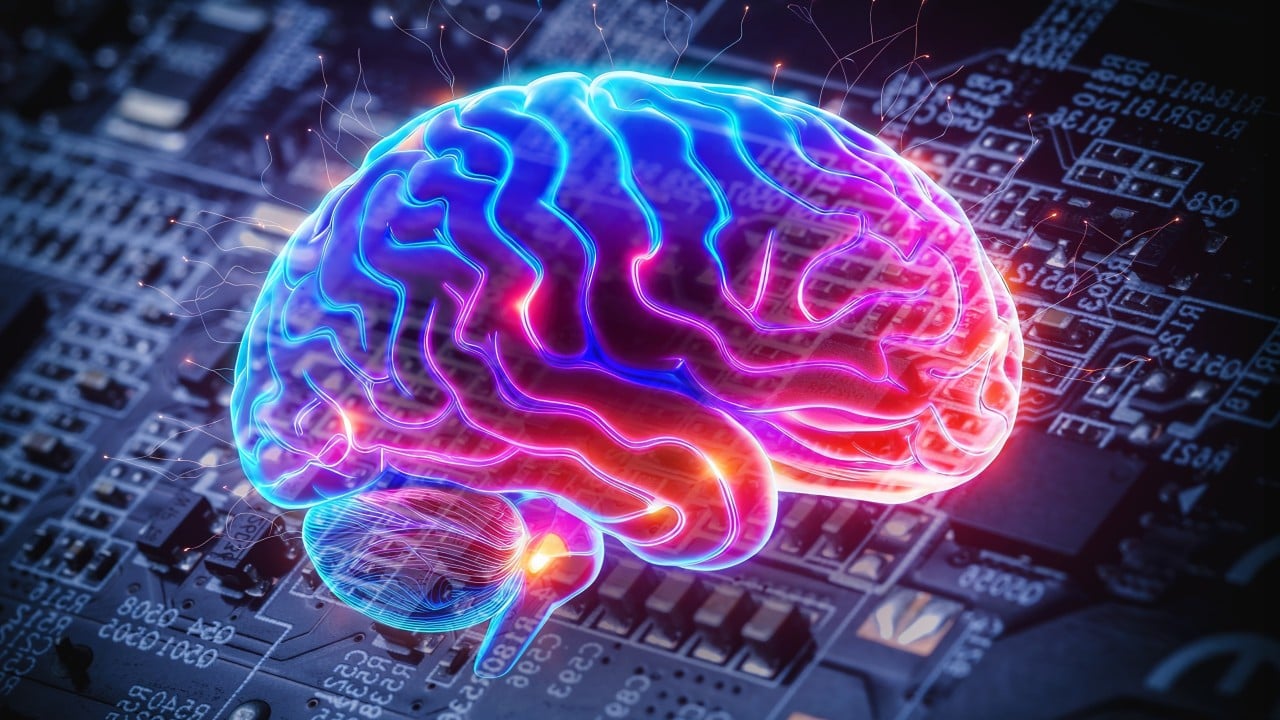
China is rapidly advancing its "brain chip" technology through a series of state-backed initiatives. The push comes as major players in the industry, from insurance companies to investment banks and local governments, announce their involvement in the nascent field of brain-computer interfaces (BCIs). PICC Property and Casualty, a prominent state-owned insurer, recently secured the nation's first commercial insurance policy for the invasive surgery required to implant BCIs in patients' brains.
This move has bolstered market confidence, with BCI-linked stocks in Hong Kong experiencing a 1.59 percent rise on Wednesday. Shanghai Heartcare Medical Technology and BrainAurora Medical Technology, both BCI-related companies, also saw their shares climb by 1.28 percent and 1.65 percent, respectively.
BCI technology, which enables patients to control digital devices using their thoughts, has been tested on human patients and shown promise in helping those paralyzed regain movement. One recent case involved a 61-year-old paraplegic regaining the ability to bend and lift his leg within three days of surgery, and walking unassisted by day 15.
However, clinicians stress that safety remains paramount as the technology progresses towards wider use. Duan Wanru, chief physician at Xuanwu Hospital affiliated with Beijing’s Capital Medical University, highlighted the need for long-term safety data, noting that current trials lack data spanning several years.
The Zhejiang provincial government has also taken steps to support BCI companies, unveiling plans to bolster financing and encourage public company listings. Home to several BCI start-ups, including BrainCo – one of the "six little dragons" – Zhejiang has become a hub for the technology. BrainCo has raised approximately US$292 million from global investors.
Other local companies involved in the sector include Genlight Neurotech and Nanochap Electronics, backed by tech giant Tencent Holdings. Chinese researchers are also exploring non-invasive methods for implanting BCIs, such as using a blood vessel like a stent, to avoid the risks associated with traditional brain surgery. In March, China's drug regulator granted Shanghai-based Neuracle Medical Technology the country's first market approval for an implantable BCI system aimed at restoring hand motor function in patients with spinal cord injuries.
Written by urgent.news from SCMP Business's reporting — not their text. Machine-written — may contain errors; check the original before relying on it.
This story
This is one outlet's version. Read the fullest account.