Urgent.News

What's breaking now, across thousands of outlets.

Culture

BREAKING: 2027: Makinde picks ex-DSS DG as running mate

The presidential candidate of the Allied Peoples Movement, APM, Seyi Makinde, has unveiled former Director-General of the Department of State Services, DSS, Lawal Musa Daura, as his running mate for the 2027 presidential election. Makinde announced this on Thursday at the elective National Convention of the party in Bauchi. The Oyo State Governor equally stated […] BREAKING: 2027: Makinde picks…
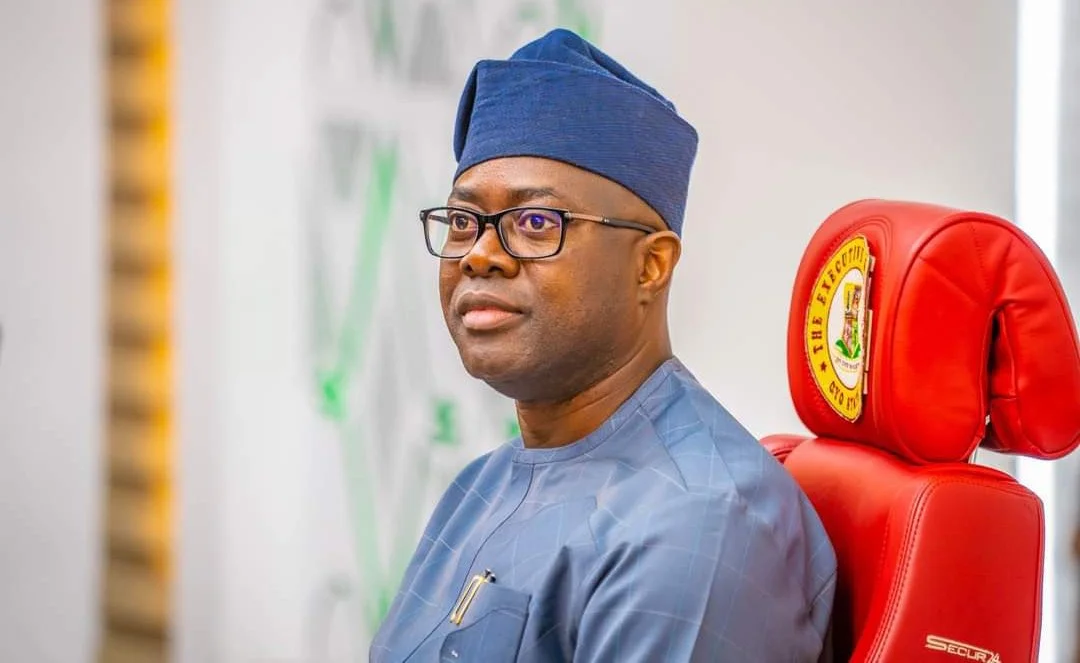
BREAKING: 2027: Makinde picks ex-DSS DG as running mate

The presidential candidate of the Allied Peoples Movement, Seyi Makinde, has announced that former Director-General of the Department of State Services, Lawal Musa Daura, will be his running mate for the 2027 presidential election. The news was revealed at the party's electoral National Convention in Bauchi. The Oyo State Governor emphasized that the upcoming election is not just about securing power but providing Nigerians with a genuine choice that could transform their future.

Makinde urged voters to demand more from those vying for leadership, pointing out that the campaign season will likely be filled with political slogans, promises, and declarations. Lawal Daura, who joined the APM recently after leaving the ADC, replaces Ibrahim Adamu Bala, who was initially named Makinde's running mate but was meant to serve as a placeholder.

Written by urgent.news from Daily Post Nigeria's reporting — not their text. Machine-written — may contain errors; check the original before relying on it.

This story

This is one outlet's version. Read the fullest account.

Read the original at dailypost.ng →

More in Culture

Liberalism that Broke the Promise of 'Mutual Prosperity'…Why the Working Class Turned Away The promise of 'mutual prosperity' made by liberalism seems to have been broken. The working class, which had been expected to be a key supporter of liberal policies, appears to have turned away. This phenomenon is prompting a re-examination of the relationship between liberalism and the working class. To understand this shift, it is essential to look at the evolution of liberal policies and their impact on the working class. Historically, liberalism has been associated with the promotion of free markets, deregulation, and reduction in government intervention in the economy. These policies were intended to spur economic growth and increase prosperity. However, critics argue that they have also led to increased income inequality and decreased social mobility. Many members of the working class feel that liberal policies have not benefited them and have instead widened the gap between the rich and the poor. This sentiment has contributed to the erosion of support for liberalism among working-class individuals. The disillusionment with liberalism is not limited to economic issues. Some working-class individuals also feel that liberal policies have neglected their social and cultural concerns. They believe that liberal elites have failed to address issues such as immigration, cultural identity, and job security. As a result, many working-class individuals have turned to alternative political movements that better represent their interests. The shift away from liberalism among the working class has significant implications for politics and policy. It highlights the need for liberal politicians to re-engage with the working class and address their concerns. This may involve revising liberal policies to make them more inclusive and equitable. Ultimately, the future of liberalism depends on its ability to adapt to the changing needs and concerns of the working class. If liberalism fails to do so, it risks losing the support of a critical constituency. In conclusion, the working class's turn away from liberalism is a complex phenomenon with multiple causes. It reflects a deeper discontent with the impact of liberal policies on the working class. To regain the support of the working class, liberal politicians must be willing to listen to their concerns and adapt their policies accordingly. Only then can liberalism hope to regain its former appeal and fulfill its promise of mutual prosperity.

More from Thursday 13 August →