Asyraf denies role in Tabung Haji Al-Rawda deal
KUALA LUMPUR: Umno secretary-general Datuk Dr Asyraf Wajdi Dusuki has denied having any authority or involvement in Tabung Haji (TH) transactions during his tenure as deputy minister in the Prime Minister's Department.
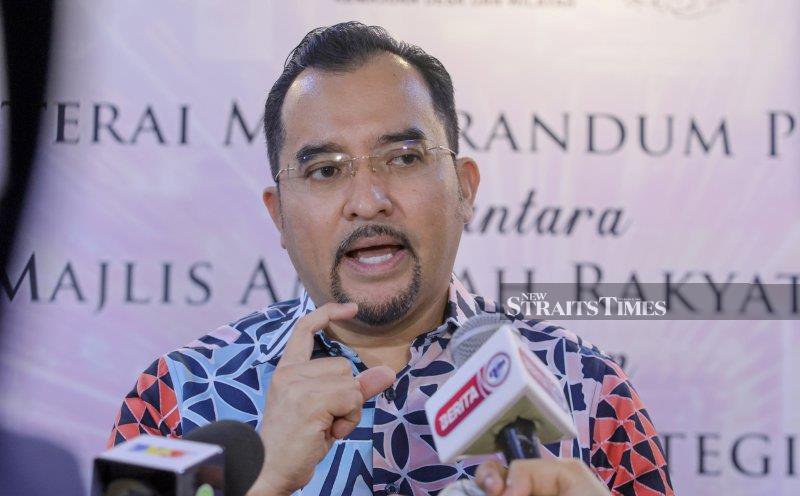
Umno secretary-general Datuk Dr Asyraf Wajdi Dusuki has rejected any role or authority in the Tabung Haji (TH) transaction involving troubled Saudi property developer Al-Rawda. According to Asyraf, decisions on TH's transactions, agreements, and policies are made by the minister after receiving advice from TH's board and management, as stipulated by the Tabung Haji Act.
He expressed surprise at the notion of a deputy minister having any involvement in such matters, emphasizing that the minister, not a deputy minister, holds this authority. Asyraf clarified that his presence at a 2017 ceremony with TH and Al-Rawda was as Ketua Jemaah Haji Malaysia, representing the minister, and not as an endorsement of the Al-Rawda deal.
He was not called to testify before the Royal Commission of Inquiry (RCI) into TH or by enforcement agencies over the matter, and the RCI report did not implicate him. Questions about the investment arose after Finance Minister II Datuk Seri Amir Hamzah Azizan mentioned Al-Rawda among 14 troubled TH investments, totaling almost RM13 billion in losses, including RM10.2 billion from the government's rescue of TH assets in 2018 and RM2.6 billion in impairment losses between 2018 and 2025.
Despite concerns about TH's risk management, including the lack of a bank guarantee for the Al-Rawda investment and an incomplete due diligence report, TH proceeded with the transaction based on a promissory note, leaving more than RM1.5 billion of depositors' funds exposed to an investment with little collateral. The deal entailed TH paying 1.4 billion Saudi riyals, approximately RM1.5 billion, to intermediaries for leasing four hotels in Makkah and Madinah, resulting in a full RM1 billion impairment recorded by TH in 2024.
Written by urgent.news from New Straits Times's reporting — not their text. Machine-written — may contain errors; check the original before relying on it.