Urgent.News

600+ sources. One page. See who else covered it.

Editions

World

6 dead, 14 injured as water, debris enter tunnel in Uttarakhand’s Chamoli
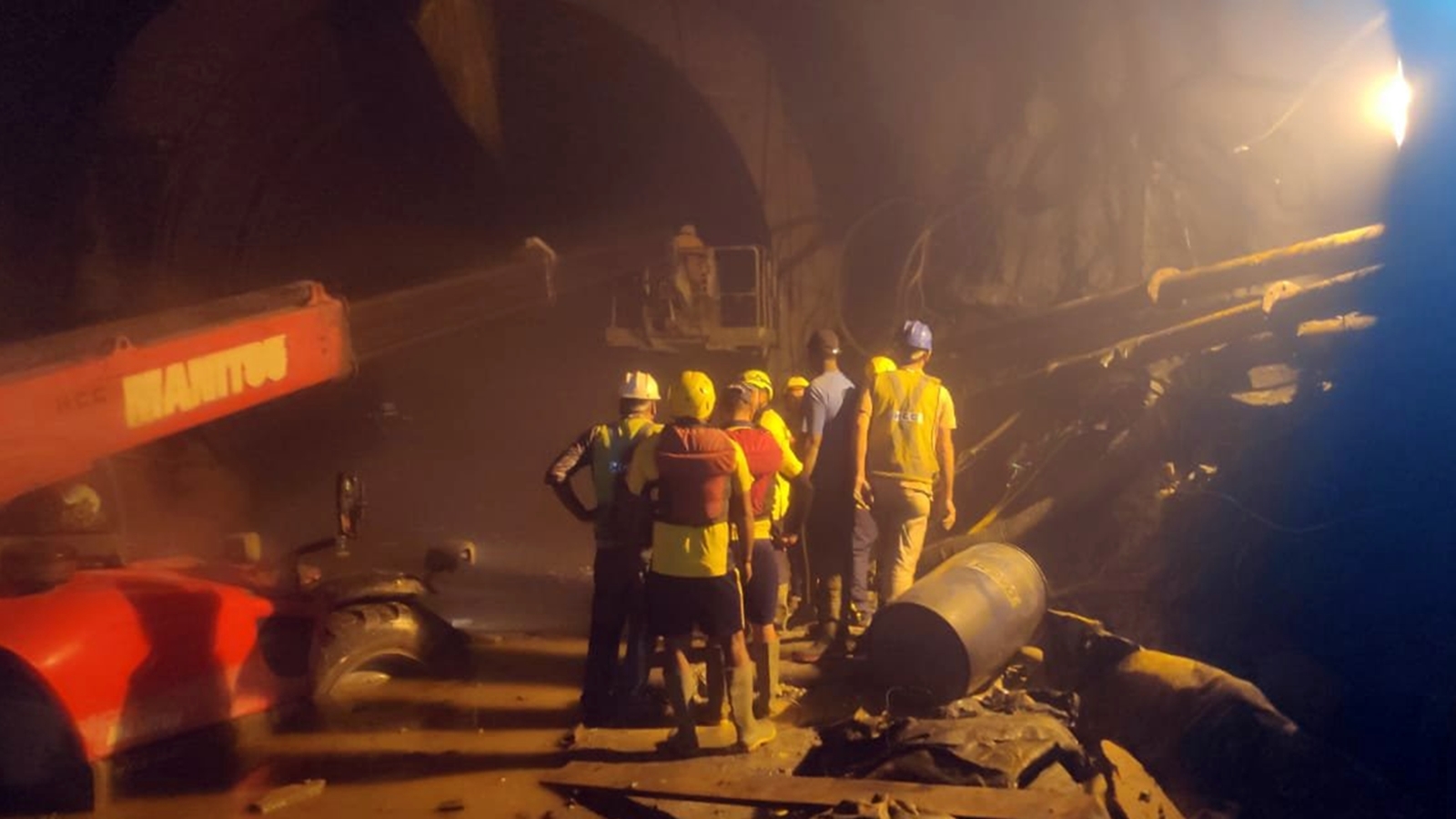
6 dead, 14 injured as water, debris enter tunnel in Uttarakhand’s Chamoli

Six individuals lost their lives and 14 others were injured on Thursday when water and debris entered a tunnel being constructed for a hydroelectric project in Chamoli district of Uttarakhand. Preliminary reports indicate that 22 workers were trapped inside the tunnel, but 20 have since been rescued. Among those rescued, six have been declared dead, while 14 require medical attention in a nearby hospital.

The incident took place at the Tehri Hydro Development Corporation (THDC) Limited project site in the Pipalkoti area, where the construction is being carried out by Hindustan Construction Company (HCC). Rescue teams from the National Disaster Response Force, Police, State Disaster Response Force, Central Industrial Security Force, Indo-Tibetan Border Police, and the Army were all present at the scene.

Chief Minister Dhami expressed concern over the incident and directed agencies to conduct relief and rescue operations with urgency. District Magistrate Gaurav Kumar was overseeing the operation, and additional teams may be deployed if necessary.

Written by urgent.news from The Indian Express's reporting — not their text. Machine-written — may contain errors; check the original before relying on it.


Also reported by 1 other outlet

Read the original at indianexpress.com →

More in World

The Trump administration is considering a proposal that would allow the U.S. Navy to contract with foreign shipyards to build up to two naval vessels, including a combatant ship, at a foreign facility. The plan would be a reversal of the long-standing requirement that U.S. warships be built in the United States by American workers. The proposal, which was first reported by Bloomberg, is under consideration as part of the Navy’s 30-year shipbuilding plan. Details of the plan remain unclear, but it would allow for the construction of up to two naval vessels, including one combatant ship, at a foreign shipyard. The proposal has sparked criticism from U.S. lawmakers and shipbuilding industry groups, who argue that it would undermine the U.S. shipbuilding industry and create jobs overseas. U.S. Rep. Rob Bishop (R-NY), chairman of the House Armed Services Committee’s seapower subcommittee, said in a statement that allowing U.S. taxpayer dollars to fund shipbuilding overseas would be a “disaster” for the U.S. shipbuilding industry. “It would be a disaster for the security of our nation and for the workers who build these ships,” Bishop said. The Navy has long argued that it needs more flexibility in its shipbuilding plans to ensure that it can meet its operational requirements. The service has faced challenges in recent years in meeting its shipbuilding goals, due in part to a constrained industrial base and rising costs. The Navy’s 30-year shipbuilding plan, which is currently under review by the White House, calls for the construction of a total of 355 ships. The plan includes a number of new initiatives, such as the development of a new class of guided-missile frigates and the construction of a new amphibious assault ship. The Trump administration has made rebuilding the U.S. military a top priority, and the Navy’s shipbuilding plan is a key part of that effort. The proposal to allow foreign shipbuilding is being considered as part of a broader effort to reform the U.S. shipbuilding industry and make it more competitive. The Navy has said that it is committed to working with the U.S. shipbuilding industry to ensure that it can meet its operational requirements. The service has also said that it will continue to work with Congress to ensure that any changes to the shipbuilding plan are consistent with U.S. law and policy. The proposal is likely to spark a heated debate on Capitol Hill, with lawmakers from both parties expressing concerns about the potential impact on the U.S. shipbuilding industry. The issue is also likely to be a topic of discussion at a hearing on the Navy’s shipbuilding plan that is scheduled to take place later this month. The Navy’s plan has been delayed several times, and it is unclear when the White House will make a final decision on the proposal. The Trump administration has said that it is committed to rebuilding the U.S. military and making it more competitive, and the Navy’s shipbuilding plan is a key part of that effort. The proposal to allow foreign shipbuilding is being considered as part of a broader effort to reform the U.S. shipbuilding industry and make it more competitive. The Navy has said that it is committed to working with the U.S. shipbuilding industry to ensure that it can meet its operational requirements. The service has also said that it will continue to work with Congress to ensure that any changes to the shipbuilding plan are consistent with U.S. law and policy. U.S. Sen. Ted Cruz (R-TX) said in a statement that he is opposed to the proposal, saying that it would undermine the U.S. shipbuilding industry and create jobs overseas. “I strongly oppose any effort to send American taxpayer dollars overseas to subsidize foreign shipbuilding,” Cruz said. The U.S. shipbuilding industry has long been a major employer in the United States, with thousands of workers employed at shipyards across the country. The industry has also been a key contributor to the U.S. economy, with billions of dollars in economic output generated each year. The proposal to allow foreign shipbuilding is being considered as part of a broader effort to reform the U.S. shipbuilding industry and make it more competitive. The Navy has said that it is committed to working with the U.S. shipbuilding industry to ensure that it can meet its operational requirements. The service has also said that it will continue to work with Congress to ensure that any changes to the shipbuilding plan are consistent with U.S. law and policy. The Trump administration has said that it is committed to rebuilding the U.S. military and making it more competitive, and the Navy’s shipbuilding plan is a key part of that effort. The Navy’s plan has been delayed several times, and it is unclear when the White House will make a final decision on the proposal. The proposal is likely to spark a heated debate on Capitol Hill, with lawmakers from both parties expressing concerns about the potential impact on the U.S. shipbuilding industry. The issue is also likely to be a topic of discussion at a hearing on the Navy’s shipbuilding plan that is scheduled to take place later this month. U.S. Rep. Elaine Luria (D-VA), a member of the House Armed Services Committee, said in a statement that she is opposed to the proposal, saying that it would undermine the U.S. shipbuilding industry and create jobs overseas. “The Navy should be building ships in America, not overseas,” Luria said. The U.S. shipbuilding industry has long been a major employer in the United States, with thousands of workers employed at shipyards across the country. The industry has also been a key contributor to the U.S. economy, with billions of dollars in economic output generated each year. The Navy has long argued that it needs more flexibility in its shipbuilding plans to ensure that it can meet its operational requirements. The service has faced challenges in recent years in meeting its shipbuilding goals, due in part to a constrained industrial base and rising costs. The Navy’s 30-year shipbuilding plan, which is currently under review by the White House, calls for the construction of a total of 355 ships. The plan includes a number of new initiatives, such as the development of a new class of guided-missile frigates and the construction of a new amphibious assault ship. The Trump administration has made rebuilding the U.S. military a top priority, and the Navy’s shipbuilding plan is a key part of that effort. The proposal to allow foreign shipbuilding is being considered as part of a broader effort to reform the U.S. shipbuilding industry and make it more competitive. The Navy has said that it is committed to working with the U.S

More from Thursday 13 August →