Zhu Rongji: reformer who led China’s economic transformation through ‘minefield or abyss’
“Regardless of what lies ahead – be it a minefield or a deep abyss – I will forge ahead unswervingly, dedicating my entire life and energy to the country until my dying day.” Those words, spoken at the dawn of his premiership, came to define Zhu Rongji, China’s towering economic reformer who died in Beijing on Wednesday. He was 97. His remarks at a press conference in 1998 came as China was…
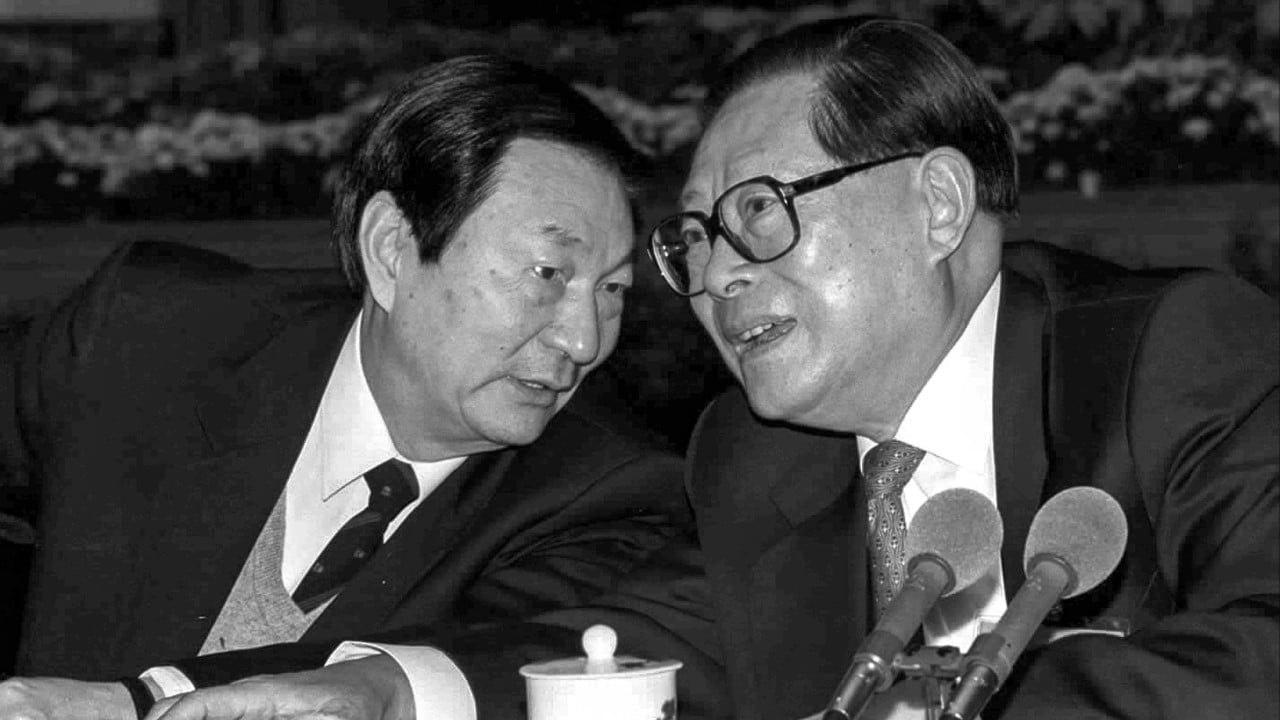
Zhu Rongji, a renowned economic reformer in China, passed away at the age of 97 in Beijing. His tenure as vice-premier and premier from 1991 to 2003 witnessed significant economic transformations in the country. As China faced the challenges of the Asian financial crisis and state-owned enterprise reforms, Zhu remained committed to the country's progress, regardless of the potential outcomes.
Dubbed China's economic tsar, Zhu was known for his determination to steer the nation through difficult times. His straight-talking, no-nonsense style earned him numerous nicknames, such as "iron-face Zhu," "no-nonsense leader," "problem solver," and "troubleshooter." These attributes contributed to his reputation as a crisis manager and someone who could guide China through the minefield or abyss of economic transformation.
Under Zhu's leadership, China overhauled its state-owned business sector, fought corruption, revamped the tax system, and secured entry into the World Trade Organization (WTO). These reforms brought about a historic transformation in China's economic system, integrating it into the global economy. In 1999, Zhu became the first Chinese premier to visit the United States in 15 years, aiming to negotiate China's entry into the WTO.
Despite US President Bill Clinton's initial reluctance, the agreement was eventually signed in November 1999.
Zhu's contributions to China's economic miracle cannot be underestimated. China watchers stress his role as the indispensable architect and driver of the transition from a largely improvised reform economy to a more disciplined, internationally integrated market-oriented system. His influence extended to laying the groundwork of China's market economy and stabilizing the macroeconomy.
Written by urgent.news from South China Morning Post's reporting — not their text. Machine-written — may contain errors; check the original before relying on it.
This story
This is one outlet's version. Read the fullest account.