What we can learn from nature switching off human genes
‘Knockout’ genes, where a person has a loss-of-function variant that has disrupted both copies, identified on a mass scale in a recent Pakistani study, offer researchers the opportunity to study whether the absence causes disease, is beneficial, or produces no effect
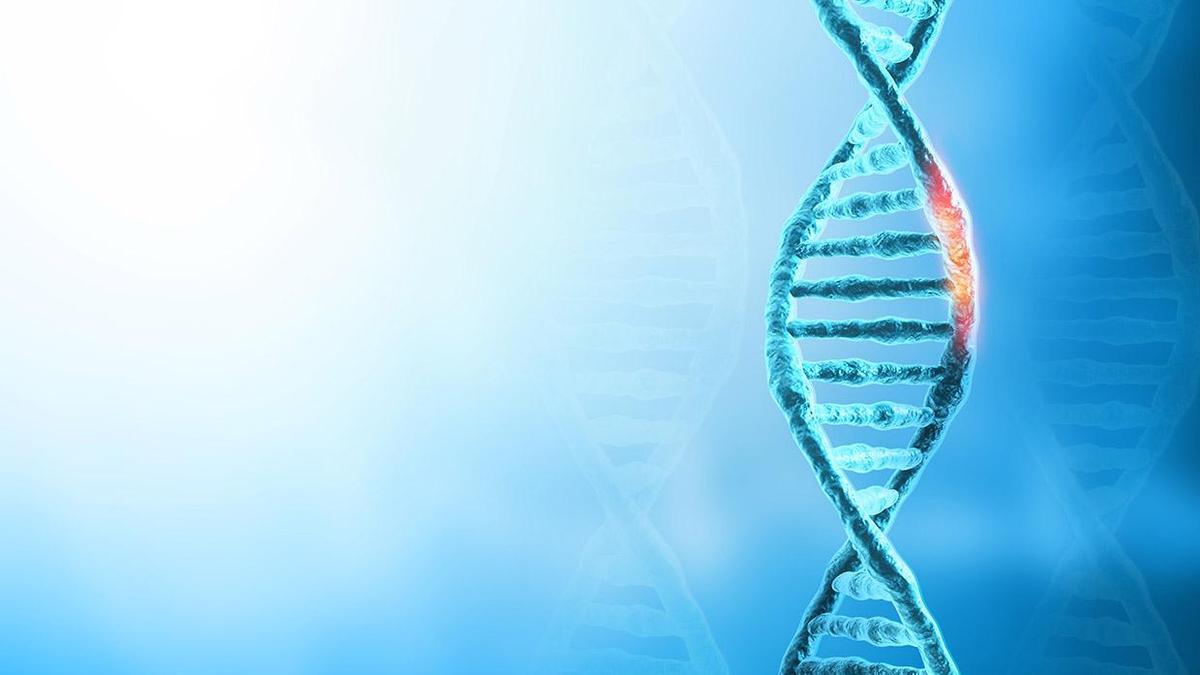
A groundbreaking study published in Nature in June 2026 has uncovered a large number of "human knockouts" - individuals who, despite having both copies of a gene, lack functionality in both due to loss-of-function variants. Researchers analyzed data from 1,73,303 participants in Pakistan and found that about one in five individuals carried at least one such knockout across 6,476 genes, which accounts for nearly one-third of the roughly 20,000 protein-coding genes in humans.
These natural genetic experiments provide unique insights into the function of specific proteins, allowing researchers to explore whether their absence causes disease, has little effect, or may even be beneficial. This approach has already yielded valuable findings, such as the discovery that individuals lacking functional copies of the APOC3 gene have lower fasting triglyceride levels and a smaller rise in triglycerides after a fat-rich meal.
This suggests that blocking APOC3 activity could be therapeutically useful, leading to the approval of olezarsen for a severe inherited disorder of triglyceride metabolism.
Moreover, studying these gene knockouts can help researchers identify targets for new drugs and prevent potential side effects. For instance, the gene LRRK2 is a promising therapeutic target for Parkinson's disease, but the Pakistani data revealed that loss of this gene could be associated with impaired kidney function. This finding highlights the importance of considering potential renal effects when designing drugs targeting LRRK2.
Additionally, the study emphasizes the need for more comprehensive global genomic knowledge, as the Pakistani cohort revealed that many genes were absent in non-South-Asian populations in the gnomAD database, suggesting gaps in our understanding of genetic diversity.
Written by urgent.news from The Hindu Health's reporting — not their text. Machine-written — may contain errors; check the original before relying on it.
This story
This is one outlet's version. Read the fullest account.