Patients wary of governments, companies pushing AI as a rural health care solution
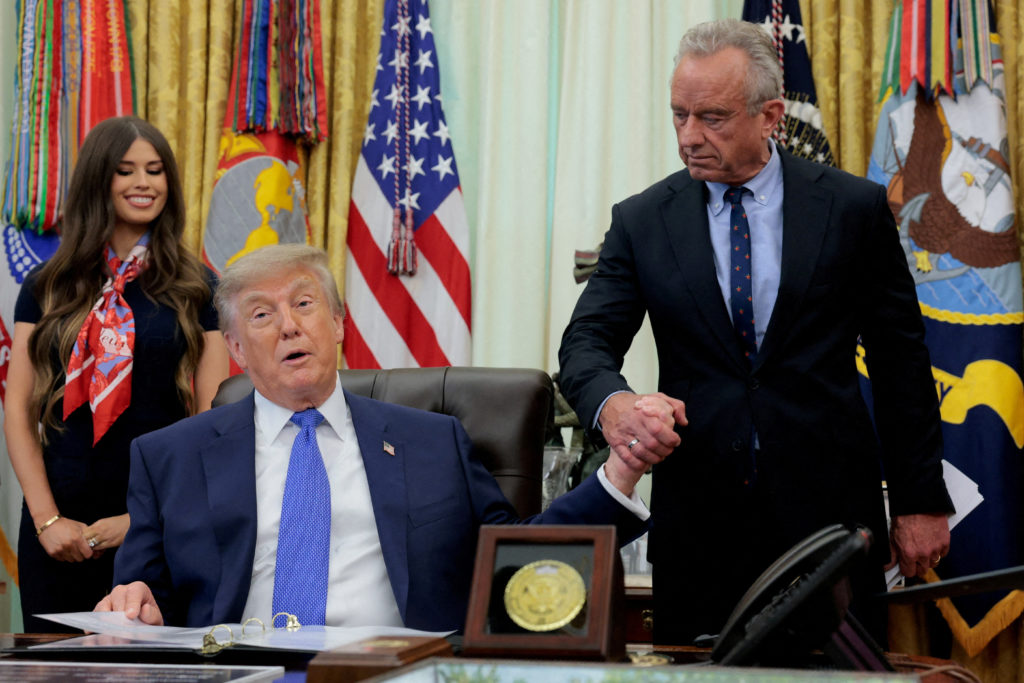
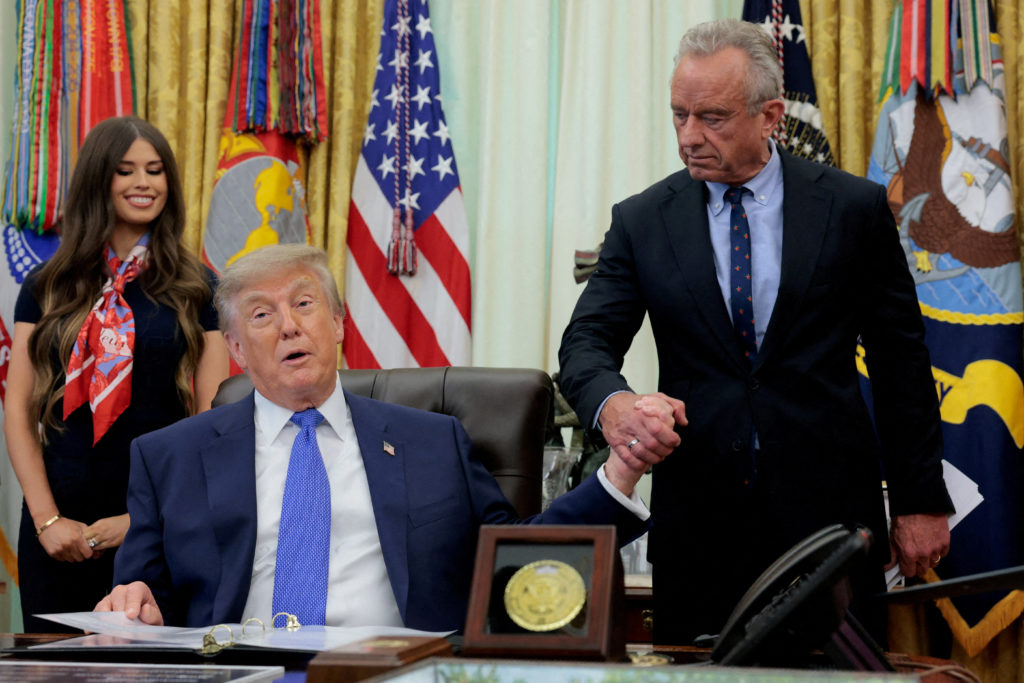
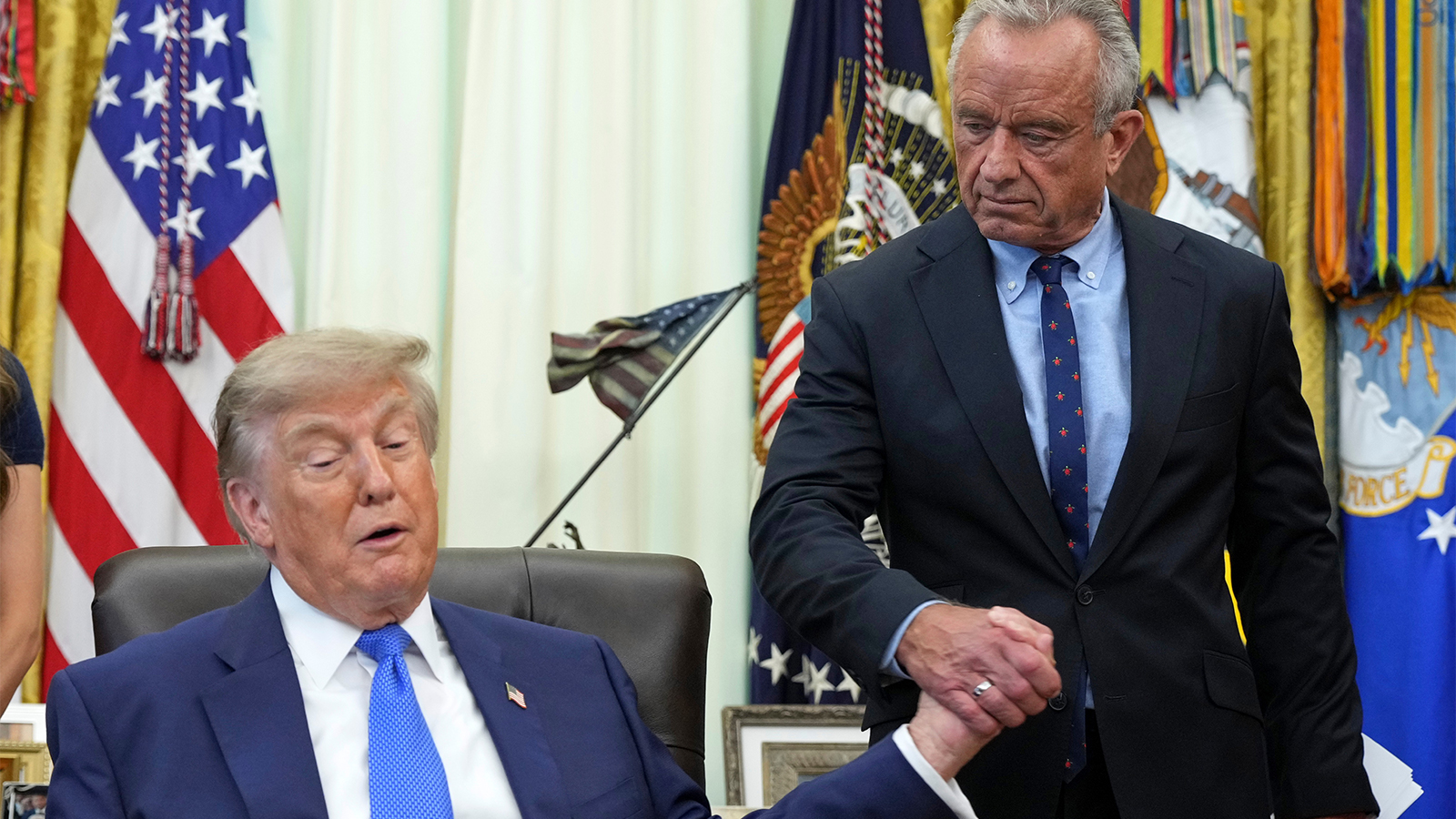
Two of the nation's most powerful health officials predict artificial intelligence will play a key role in solving rural America's health challenges. Health secretary Robert F. Kennedy Jr. told a panel of U.S. senators that AI nurses can provide "concierge care" to rural patients. Dr. Mehmet Oz, who leads the Centers for Medicare & Medicaid Services, has said "the best way to help some of these…

Two top health officials believe artificial intelligence (AI) will be crucial in addressing healthcare challenges in rural America. Health Secretary Robert F. Kennedy Jr. suggested AI nurses could offer personal care to rural patients, while Dr. Mehmet Oz, head of the Centers for Medicare & Medicaid Services, endorsed AI-based avatars to connect patients in remote areas with mental health services.
Many state health leaders are allocating funds from a $50 billion federal Rural Health Transformation Program to expand AI use in rural healthcare facilities.
AI, which mimics human intelligence by recognizing patterns or generating text, has the potential to streamline administrative tasks and identify high-risk patients. However, there's limited evidence to support claims that AI improves access to care and patient health in rural areas. The effectiveness of tracking and sharing outcomes of invested technologies remains uncertain.
Despite the lack of substantial evidence, some rural Americans express skepticism about AI in personal healthcare. Tara Haffner, for instance, cautioned against mistakes and expressed a preference for maintaining direct interactions between patients and their doctors. On the other hand, Phillip Mues, a technology overseer at Cherry County Hospital and Clinic in Valentine, Nebraska, reported that AI is already assisting clinicians in saving time, combating burnout, and allowing them to focus more on patient care.
Rural hospitals may not be able to utilize AI effectively to prevent closures or service reductions, as highlighted by Mues. In Hot Springs, South Dakota, residents face significant healthcare challenges due to limited access to advanced care facilities located at least an hour away. Local residents highlighted cost and long wait times driven by staffing shortages as the primary issues plaguing rural healthcare.
The five-year Rural Health Transformation Program, established by Congressional Republicans, aims to alleviate concerns about rural communities' economic strain resulting from the One Big Beautiful Bill Act, which could cause Medicaid spending to fall by over $900 billion over a decade. Hot Springs, known for its sandstone buildings and hot springs, is grappling with the issue of staffing shortages that threaten the continuity of care for nursing home residents.
The healthcare industry is rapidly integrating AI technology, despite concerns about its evaluation. While some AI implementations have shown success in controlled environments, the real-world performance remains less certain. Studies on AI's impact in rural healthcare are scarce, with only 26 peer-reviewed studies published from 2010 to April 29, 2025, focusing on rural healthcare.
Despite the paucity of conclusive results, some states are experimenting with AI applications, such as Utah's interest in piloting an AI-powered prescription refill request system. A KFF Health News review of state plans for the Rural Health Transformation Program indicates a focus on using AI to automate routine tasks, such as medical charting, coding, referrals, and prior authorization requests. Some states also aim to leverage AI to save money by identifying and recovering funds due to them.
Written by urgent.news from Medical Xpress's reporting — not their text. Machine-written — may contain errors; check the original before relying on it.