Veteran Malaysian MP Wong quits over ‘toxic politics’, leaving reform agenda in doubt
A veteran Malaysian politician’s resignation from parliament and Prime Minister Anwar Ibrahim’s People’s Justice Party (PKR) to join a fledgling progressive rival widens an exodus of reformist figures as the ruling coalition reels from a string of electoral setbacks. Wong Chen, a three-term lawmaker who had spent nearly two decades in PKR, said on Wednesday that he had applied to join newly…
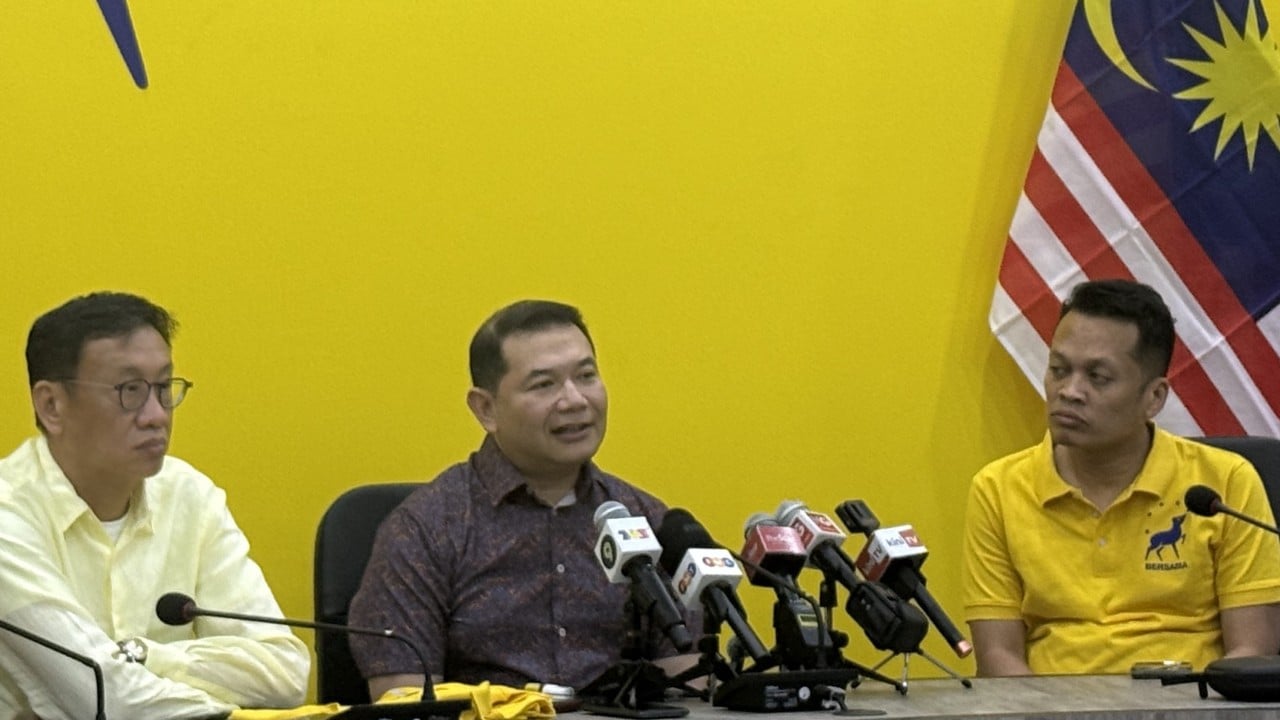
Veteran Malaysian politician Wong Chen has resigned from his position in the Prime Minister Anwar Ibrahim's People's Justice Party (PKR) to join a new progressive political party called Bersama. Wong, a three-term lawmaker, cited a "toxic" political environment as the reason for his departure from PKR, which he described as a "very toxic" phase that required a multiracial progressive alternative.
He is the third sitting MP to resign from his parliamentary position and join Bersama, following the exits of Rafizi Ramli and Nik Nazmi Nik Ahmad in May. Wong emphasized that Malaysia was passing through a challenging political period and that Bersama represented the next stage of his political career.
Wong's resignation comes amid a series of electoral setbacks for the ruling coalition, highlighting the exodus of reformist figures within the party. The new political landscape has been further strained by recent restrictions on access to government portals by Wong's parliamentary office, MyKhas, which has a direct impact on constituency development allocations.
This has fueled Wong's dissatisfaction with the government's handling of various issues, including the Malaysian Anti-Corruption Commission and its administration of funds.
Anwar Ibrahim, who serves as both the Prime Minister and Finance Minister, has received criticism for his handling of these matters. The Malaysian Anti-Corruption Commission and recent controversies surrounding the party have fueled public discontent. In response to the resignations, political analysts note that PKR is losing its reformist wing and risks appearing as an Anwar faction party.
The political climate in Malaysia in the lead-up to the next general election in 2028 remains uncertain, with the party's narrative and leadership currently under scrutiny.
Written by urgent.news from South China Morning Post's reporting — not their text. Machine-written — may contain errors; check the original before relying on it.