Türkiye wants to send Ukraine old US-made cluster munitions—one human rights group is fighting to stop it
HRW is targeting a $256 million transfer of decades-old rockets and shells that Kyiv wants to resist the Russian invasion.
Human Rights Watch is lobbying the US Congress to prevent Turkey from sending tens of thousands of old cluster munitions to Ukraine. The State Department had earlier signaled readiness to authorize the deal, which Ukraine seeks to augment its firepower against Russia's invasion. However, this move could limit Ukraine's weaponry while leaving Russia's arsenal untouched, as Kyiv depends on foreign partners who can halt the transfer, whereas Moscow faces no such restrictions and continues targeting Ukrainian cities daily.
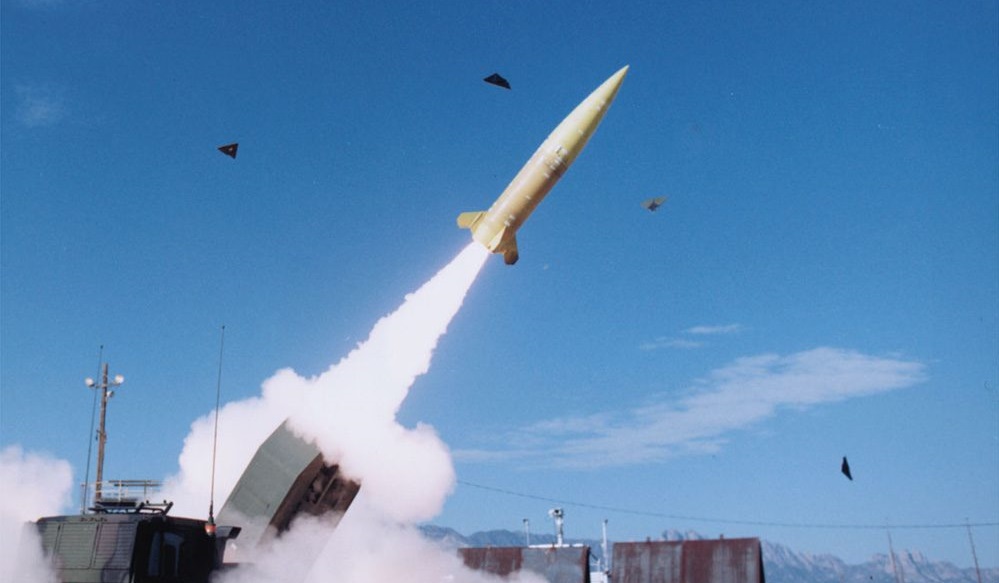
Turkey has approached the US to authorize the repatriation of its decades-old cluster munition rockets, missiles, and artillery shells, which are stored in its archives for decades. This package includes all of Turkey's 12 M270 rocket launchers and three types of cluster munitions: 70 M39 ATACMS ballistic missiles, 2,524 M26 rockets, and 47,000 M509A1 203mm artillery shells, as per the State Department's transmittal sheets.
The deal is estimated to be worth $256 million. All together, these rounds hold over 10 million explosive bomblets, according to HRW. These munitions, produced under US licenses since 1987, are outdated, with the US scrapping the M509A1 shells in 1994 when the howitzers that fired them became obsolete.
Cluster munitions disperse small bomblets over a large area, and some fail to detonate upon impact, posing lingering hazards that can injure civilians long after hostilities cease. While Ukraine has assured Washington not to use the older US-supplied cluster rounds in densely populated urban zones, US officials maintain that Kyiv has adhered to these constraints. Human Rights Watch contends that Ukraine's use of banned mines is "outrageous" and supports Russia's narrative, a claim human rights activists vehemently refute.
Washington has notified Congress that it endorses the transfer, as reported in the Congressional Record on August 6. Turkey aims to dispose of its older stockpile and invest in more modern systems, according to a senior State Department official. Ukraine, on the other hand, desires the munitions to enhance its fire support as it defends against the Russian invasion, noting that it already possesses similar rounds.
Congress has the authority to review the deal and issue a resolution of disapproval to block it. Human Rights Watch argues that the weapons' age and unreliability make them a foreseeable danger to civilians. The group's deputy Washington director, Nicole Widdersheim, emphasized that the over-30-year-old munitions are inaccurate and prone to failure, and their impact on civilians led 112 countries to ban the weapon under the Convention on Cluster Munitions.
Written by urgent.news from Euromaidan Press's reporting — not their text. Machine-written — may contain errors; check the original before relying on it.