Top court ‘opens the floodgates’ for part-time workers’ claims
The Supreme Court “may have opened the floodgates to a large number of potential claims against employers” after ruling that part-time workers claiming discrimination do not need to prove their part-time status was the “sole reason” for less favourable treatment. The case was brought by Warren Augustine, a part-time private hire driver for Data Cars, [...]
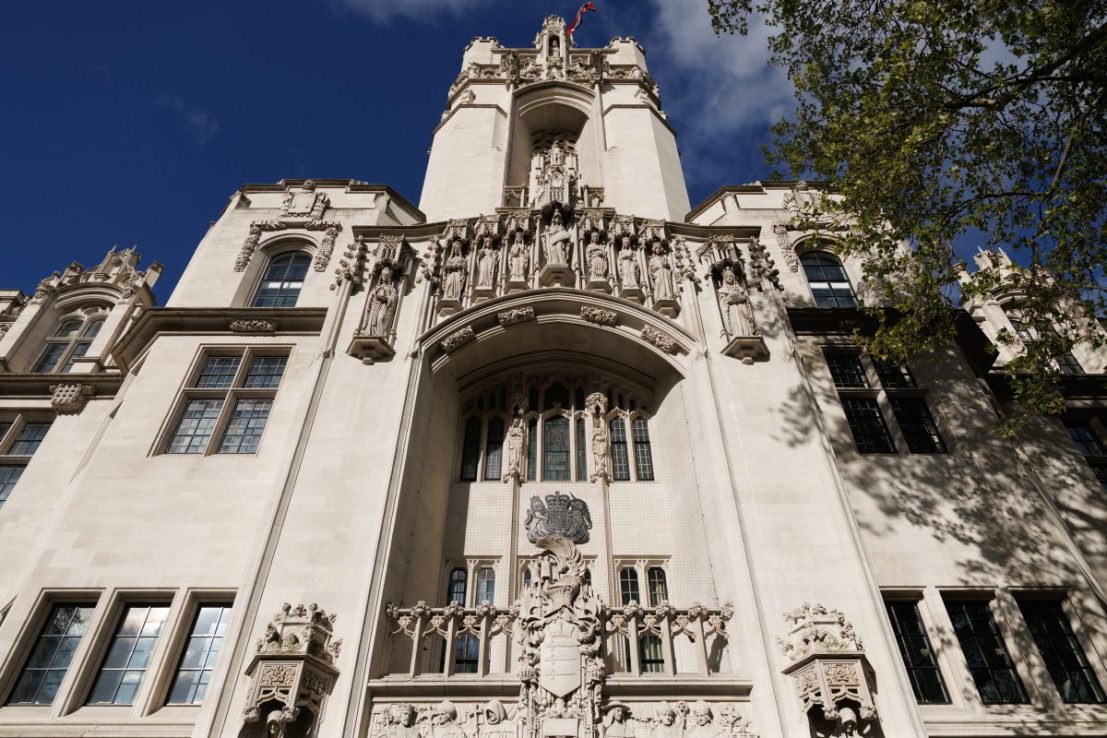
The Supreme Court has potentially opened the door for numerous claims against employers by part-time workers, as it ruled that such individuals do not need to prove their part-time status was the sole reason for less favorable treatment. Warren Augustine, a part-time driver for Data Cars, brought this case after he argued that being charged the same fixed weekly fee for accessing the company's booking system as full-time drivers was discriminatory, ultimately resulting in a higher hourly rate for him.
Previous tribunals had dismissed parts of his claim, but on Wednesday, the Supreme Court allowed his appeal. The court was asked whether part-time workers' regulations apply when a worker's part-time status is the cause of their less favorable treatment, and the Lord Justices agreed. Lawyers believe the court's reasoning, led by Lady Simler, has established a broader victory for part-time workers, lowering the threshold for claimants to prove that their part-time status was a reason for less favorable treatment.
Katie Maguire, a lawyer at Devonshires, stated that the judgment directly affects the causation threshold at the heart of part-time workers' regulations, reducing the threshold for claimants to establish that their part-time status was a reason for the adverse treatment they received. However, the court also acknowledged that not every disadvantage faced by a part-time worker would necessarily constitute unlawful treatment.
This decision may significantly impact employers, particularly those in sectors where part-time work is more common, as part-time workers will only need to demonstrate that their part-time status was one of the contributing factors to the less favorable treatment, rather than being the sole or predominant reason. The Employment Tribunal is already grappling with a surge in caseloads, driven by recent reforms to employment laws following the implementation of the Employment Rights Act.
Written by urgent.news from City AM's reporting — not their text. Machine-written — may contain errors; check the original before relying on it.