Toddler's tragic death from brain-destroying amoeba offers lessons for doctors
Boy's unusual symptoms could help identify the next case sooner.
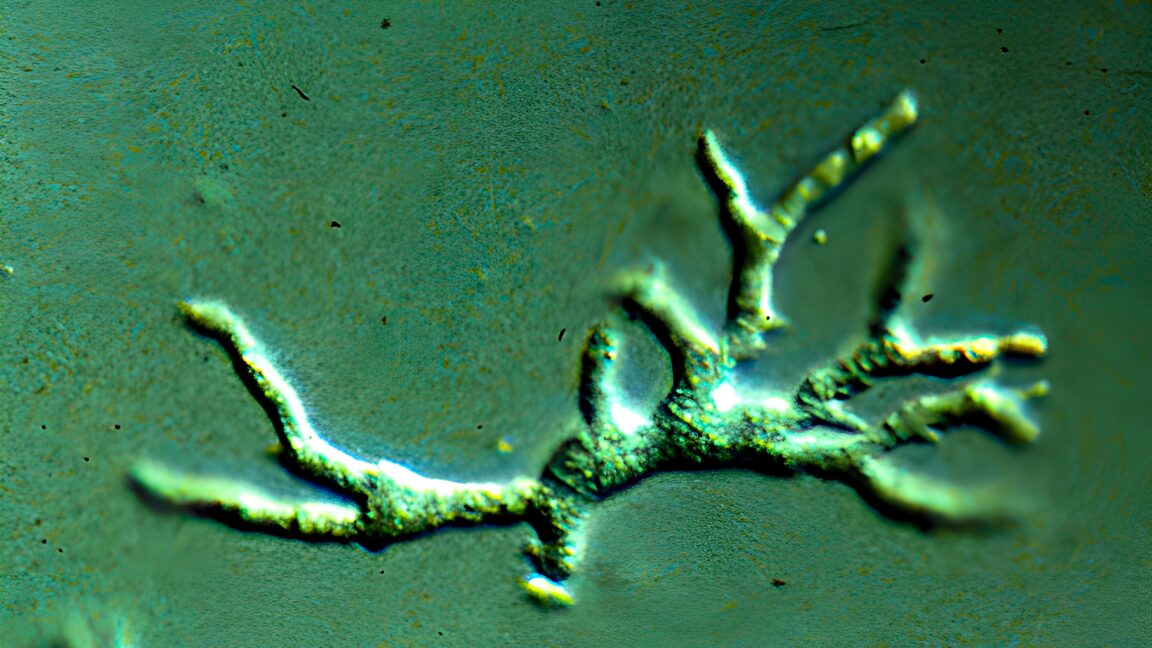
A young child in Washington state suffered a sudden decline in health, marked by vomiting, fatigue, and right-side weakness. This was soon followed by a persistent headache, elevated temperature, and difficulty swallowing. At one point, the toddler temporarily lost consciousness and experienced breathing difficulties. He was admitted to the hospital, but his condition continued to worsen.
The underlying cause was an extremely rare amoeba that primarily targets the brain. This particular pathogen was first identified in 1986 after infecting a San Diego Zoo monkey, who later succumbed to the illness. Since its discovery, the amoeba has caused only a handful of human cases across the globe, with a high fatality rate of around 90 percent.
The early signs of the infection are often subtle, leading to potential misdiagnosis due to its scarcity. Despite the limited medical research available, certain patterns can be identified through various tests and scans. Tragically, the toddler's infection presented differently, leading healthcare professionals astray.
Written by urgent.news from Ars Technica's reporting — not their text. Machine-written — may contain errors; check the original before relying on it.
This story
This is one outlet's version. Read the fullest account.