Urgent.News

What's breaking now, across thousands of outlets.

Health & Medicine

Toddler's tragic death from brain-destroying amoeba offers lessons for doctors

Boy's unusual symptoms could help identify the next case sooner.
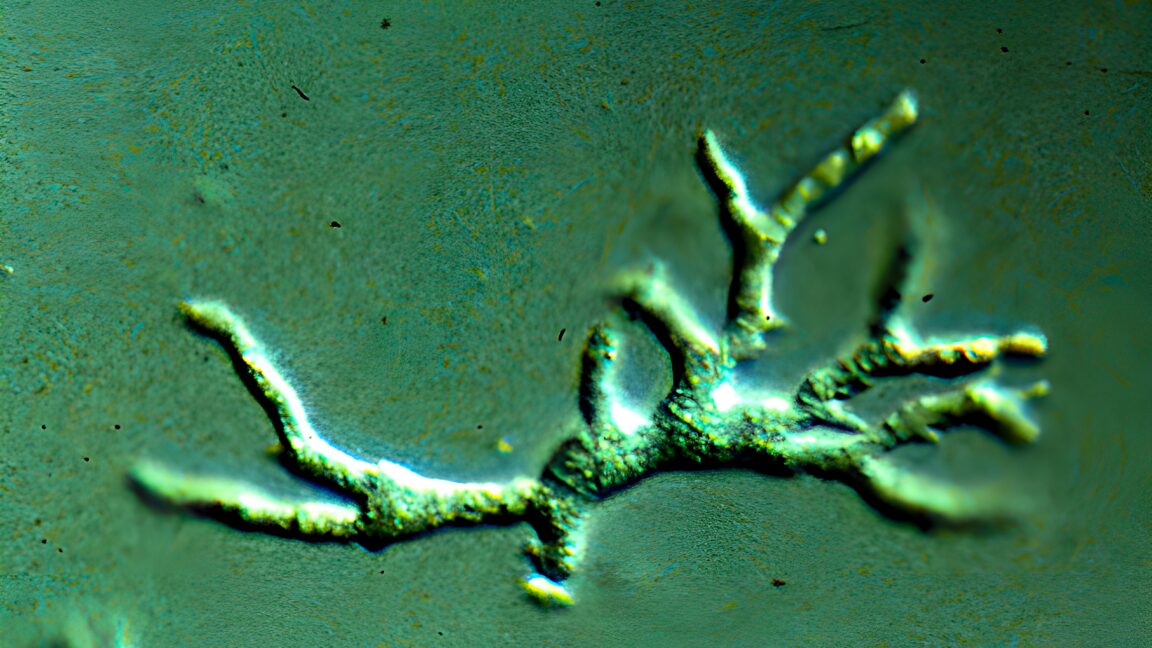
Toddler's tragic death from brain-destroying amoeba offers lessons for doctors

In Washington state, a toddler fell gravely ill in a matter of hours. Initial symptoms included vomiting, lethargy, and weakness on one side of his body. As the illness progressed, he experienced a headache, fever, and difficulty swallowing. At one point, he became unresponsive and had episodes of breathing cessation. Hospitalized, his condition only worsened due to an ultra-rare amoeba known for attacking the brain.

First identified in 1986 from a San Diego Zoo monkey, the opportunistic pathogen has only caused about 200 human infections worldwide, with 90 percent proving fatal. Initial symptoms are often vague, leading to potential misdiagnosis due to the infection's rarity. Despite the limited medical literature, certain test and scan indicators can hint at the infection.

However, for this toddler, the infection presented differently, causing medical professionals to follow incorrect treatment paths.

Written by urgent.news from Ars Technica Health's reporting — not their text. Machine-written — may contain errors; check the original before relying on it.

Also reported by 1 other outlet

Read the original at arstechnica.com →

More in Health & Medicine

Avoid air pollution and wear hearing aids. These are some of the latest recommendations from the World Health Organization (WHO) on how to prevent dementia. The WHO on Wednesday issued new guidelines on risk factors for dementia, which affects nearly 55 million people worldwide and is expected to increase to 139 million by 2050. The guidelines, which were published in the Lancet journal, suggest that nearly half of all dementia cases could be prevented by addressing 14 modifiable risk factors. The 14 risk factors include: high blood pressure, high body mass index (BMI) in later life, smoking, heavy alcohol consumption, depression, diabetes, social isolation, excessive alcohol consumption, head injuries, exposure to air pollution, hearing loss, not having a university-level education, physical inactivity, and a poor diet. The organization said that hearing loss was a major risk factor that could be easily addressed, with the use of hearing aids being one of the simplest ways to do so. According to the WHO, one in three cases of dementia could be prevented if hearing loss was addressed. The WHO also said that air pollution was a significant risk factor, especially in Asia. The organization recommends that governments take action to reduce air pollution, which can be done by improving public transportation and promoting cleaner energy. The guidelines also suggest that people can reduce their risk of dementia by engaging in physical activity, eating a healthy diet, and not smoking. The WHO said that dementia is a major public health concern, and that it is essential to take action to prevent and manage the condition. The organization estimates that the global cost of dementia is over $1.3 trillion, and that this is expected to increase to $2.8 trillion by 2030. The WHO is calling on governments and individuals to take action to prevent and manage dementia. The organization says that by addressing modifiable risk factors, people can reduce their risk of developing dementia. The WHO also emphasizes the importance of early diagnosis and intervention, and that people with dementia should have access to quality care and support. The guidelines are part of the WHO's efforts to address the growing global health concern of dementia. The organization is working with countries to implement the guidelines and to promote awareness about dementia. The WHO says that it is essential to take action to prevent and manage dementia, and that everyone has a role to play in addressing this major public health concern.

Uganda: Baryomunsi Blames 'External Forces' As Medical Interns Hold Back From Postings

[Nile Post] Health Minister Dr Chris Baryomunsi has told Parliament that government has deployed eligible medical interns to accredited hospitals but accused unnamed "external forces" of encouraging…

  • Ugandan Health Minister blames external forces for interns' hesitation to report for duty.
  • Government recognizes interns' concerns but insists on completing training before licensure.
  • Uganda Medical Association demands Shs4 million monthly allowance and guarantees of placements.

More from Wednesday 12 August →