The Pixel Tag is Google’s answer to the AirTag
More than two years after launching its own device-tracking network, Google has finally followed up with its own tracker. The Pixel Tag, which goes on sale in November, looks like one of the more capable trackers too: It combines ultra wideband (UWB) with Bluetooth 6.0 Channel Sounding for two distinct types of precision tracking. The […]
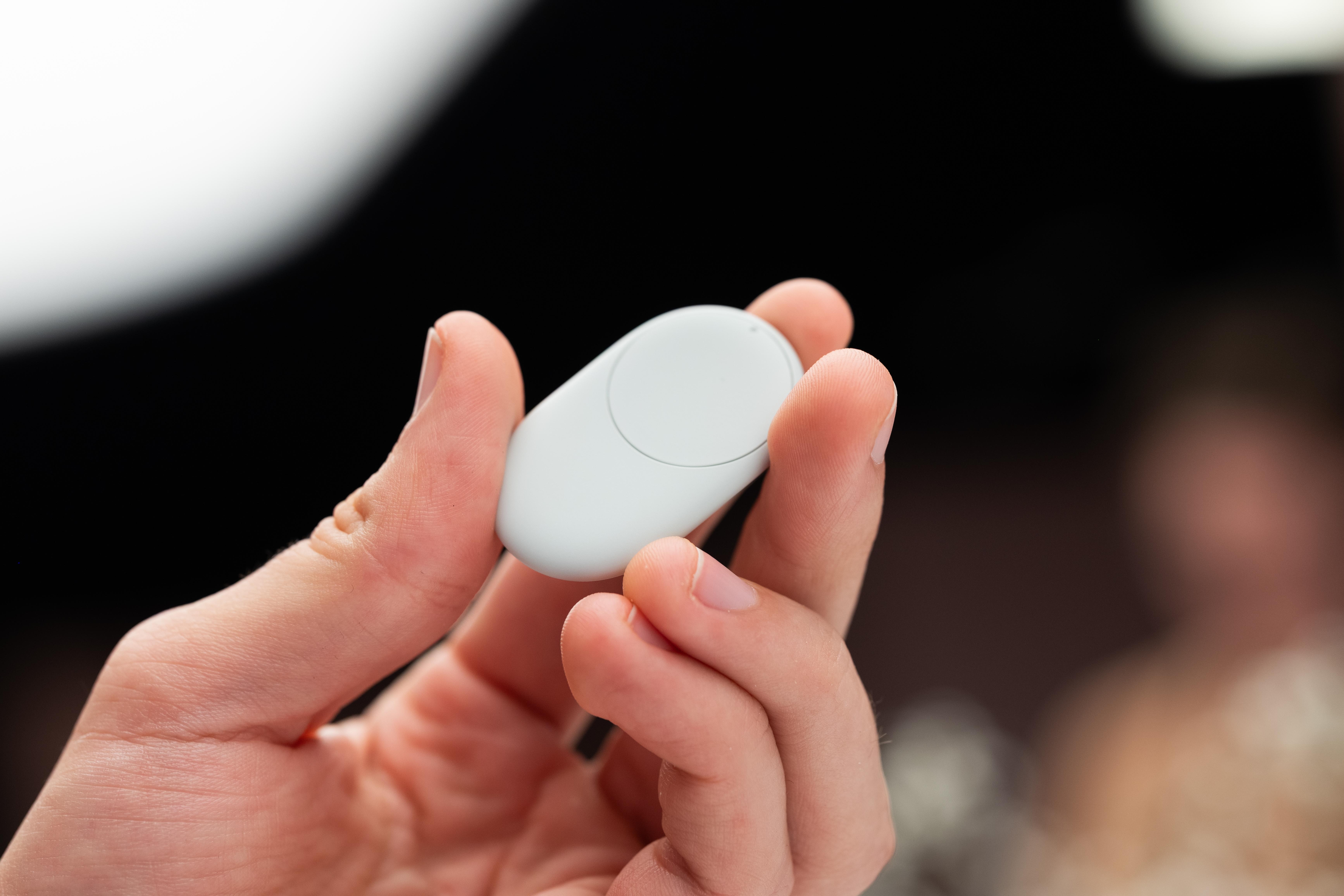
Google has introduced the $29 Pixel Tag, a new AirTag alternative that utilizes both Ultra-Wideband (UWB) and Bluetooth 6.0 Channel Sounding for precise tracking. Scheduled for release on November 11, the Pixel Tag is a sleek, slim oblong device available in a single grayish color called Fog. At approximately 12g (0.4oz), it is lightweight and compact. Similar to the AirTag, it lacks any hooks or clips for attachment.
The Pixel Tag features a single button designed to emit a sound from your phone in case you possess the Tag but have misplaced your primary device. It also boasts an IP67 rating, indicating it can withstand dust and rain. The device uses CR2032 coin batteries, with a battery life of over a year. Like its competitor, the Pixel Tag will be compatible with Google's Find Hub network, utilizing Bluetooth signals from Android devices globally to assist in locating lost items.
When in close proximity to the Pixel Tag, UWB technology enables the Find Hub app to display the distance and direction to the tracker, provided your phone is equipped with a UWB chip. Channel Sounding, a more advanced feature, offers exact distance measurements but lacks directional capability and is only compatible with devices featuring Bluetooth 6.0. Currently, only the Moto Tag 2 supports this technology.
Written by urgent.news from Slashdot's reporting — not their text. Machine-written — may contain errors; check the original before relying on it.
This story
This is one outlet's version. Read the fullest account.
- The Pixel Tag Is Google's Answer To the AirTag tech.slashdot.org