The Indus Code: The race to crack a 4,000-year-old script
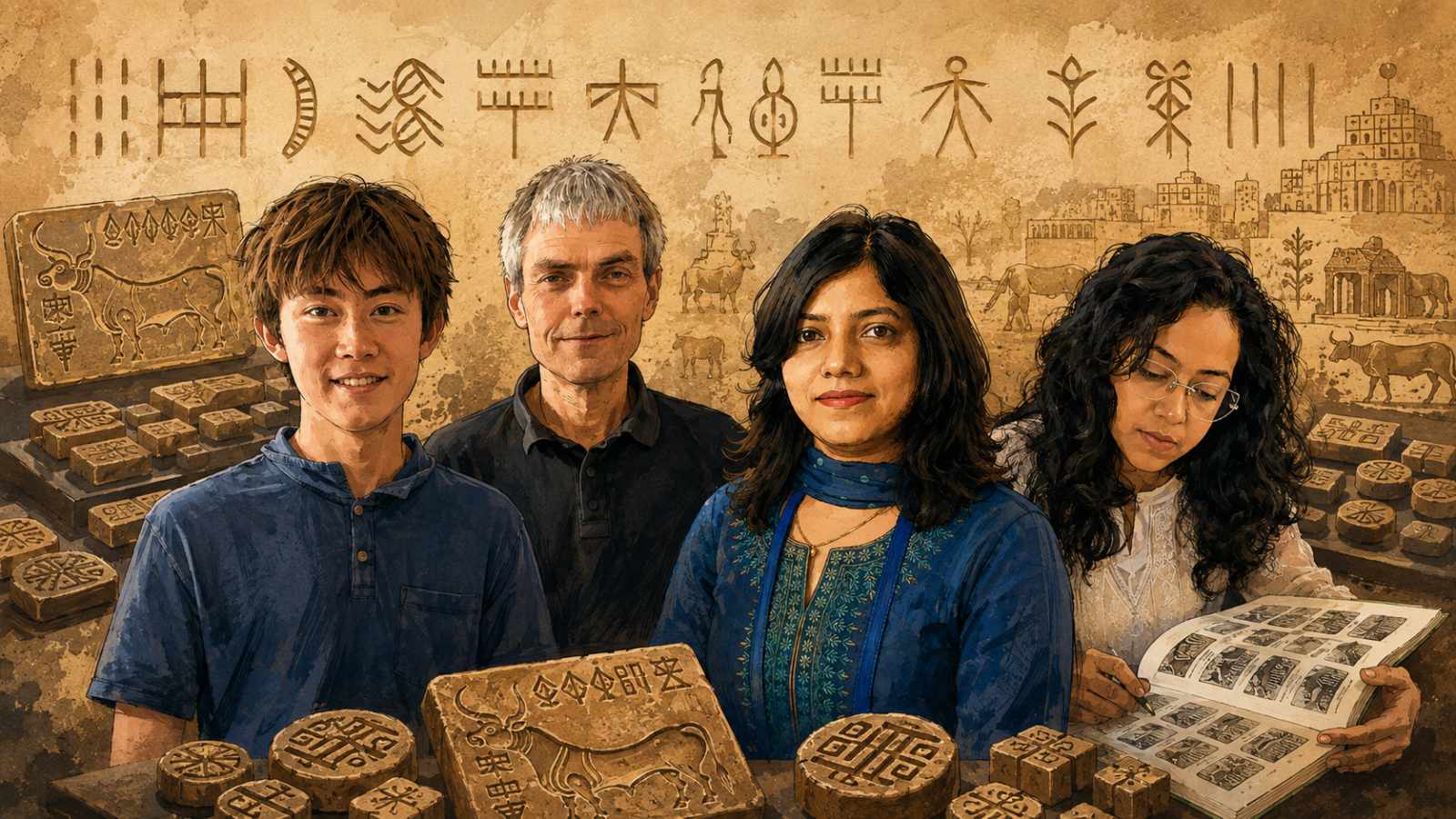
The race to decipher the 4,000-year-old Indus script has intensified since Tamil Nadu announced a $1 million prize in January 2025. Rajesh P N Rao, a Seattle-based computer scientist, has been inundated with claims of decipherment since the government's announcement. Many have suggested the script shares a common origin with Indigenous Latin American writing systems, encodes celestial addresses or mystical knowledge, or represents altered states of consciousness.
The Indus script has remained one of history’s greatest uncracked codes since its discovery in 1924. Initially, decipherment efforts were influenced by the Aryan migration theory, which placed the script as the language of the indigenous people of India. However, modern approaches have adopted computational methods, such as statistical analysis, machine learning, and information theory, to interpret the script without human bias.
Nisha Yadav, an astronomer and computer scientist at the Tata Institute of Fundamental Research (TIFR) in Mumbai, has been working on the Indus script using AI and statistical models. She believes that these techniques can overcome the challenges that have plagued attempts to decode the script for centuries. The Tamil Nadu government's prize has reignited interest in the script, with archaeologists, linguists, and enthusiasts turning to AI to solve this ancient mystery.
Written by urgent.news from The Indian Express's reporting — not their text. Machine-written — may contain errors; check the original before relying on it.