The extractive trap has a green exit
For five centuries, raw materials have flowed out of Africa and Brazil at low cost to be used as inputs elsewhere, often returning to their source countries embedded in expensive finished goods.
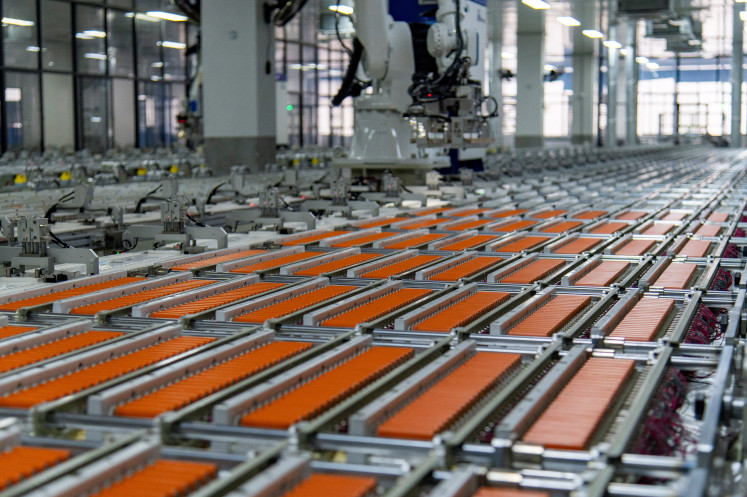
For five centuries, raw materials have flowed out of Africa and Brazil at low cost, later reappearing in expensive finished goods within their home countries. The energy transition presents an essential chance to break this extractive cycle. To capitalize on their abundant resources and foster mutual cooperation, these economies should develop thriving green industries independently.
The ongoing global energy crisis has intensified the urgency of this transition, causing supply disruptions and price hikes that have strained governments, households, and businesses worldwide. African nations, already grappling with poverty, limited energy access, and inadequate infrastructure, are not exempt from these challenges.
Indeed, the consequences of the crisis extend beyond the current crisis, with decades of extraction resulting in income inequality, economic dependency, and weakened productive sectors. In order to achieve comprehensive development, a novel approach is required, one that capitalizes on South-South cooperation to promote green development and sustainable industrialization.
Brazil and African nations, including Kenya, Namibia, South Africa, and Tunisia, are ideally positioned to lead such a strategy, functioning as diplomatic allies and coproducers in this green industrial transformation. Throughout his presidency, Brazil's Luiz Inácio Lula da Silva has underscored the importance of South-South cooperation, particularly in advancing the climate and development agenda.
He has also strengthened diplomatic ties with African countries such as Mozambique and South Africa, who have reciprocated with visits to Brazil. These diplomatic efforts have been complemented by tangible cooperation in agriculture, health, education, defense, energy, and other sectors. However, the true strategic significance of this partnership lies in the green industry.
Both Brazil and Africa possess vital comparative advantages in two sectors that are pivotal to the global energy transition: critical minerals. Africa is home to substantial reserves of cobalt, graphite, lithium, and manganese, essential components in batteries, electric vehicles, and renewable energy technologies. Brazil also harbors reserves of graphite, lithium, nickel, and rare-earth elements.
Written by urgent.news from The Jakarta Post's reporting — not their text. Machine-written — may contain errors; check the original before relying on it.