The Gulf's real mobility test is the last mile
Across the GCC, transport infrastructure is transforming how people move. Metro networks are expanding, national rail programmes are advancing and cities are investing heavily in integrated mobility systems. The GCC Railway programme alone represents an estimated investment of $240 billion. Ultimately, success is less about what has been built and more about how people experience it. If the…
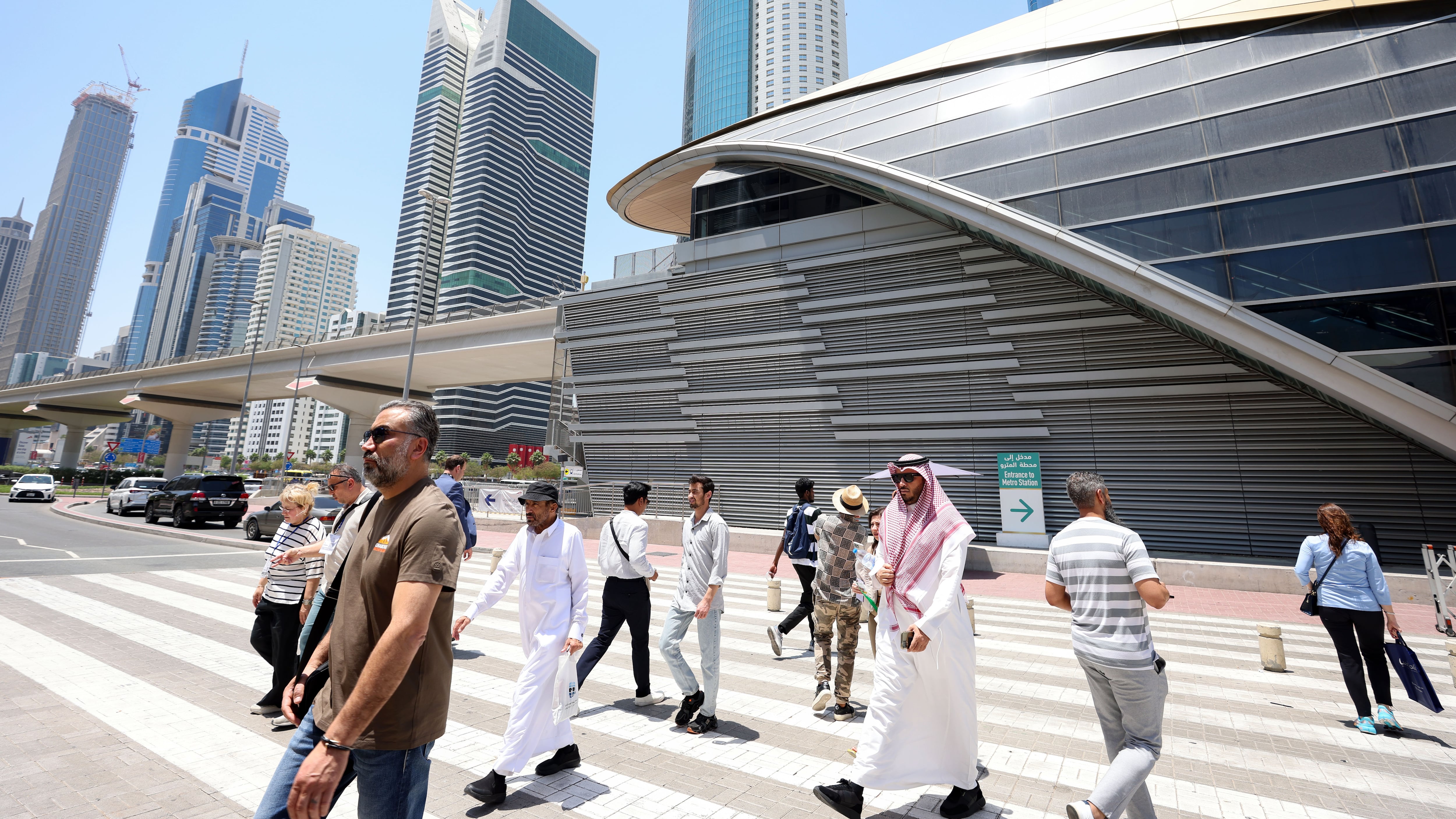
The Gulf s real test in mobility is the last mile that connects people to transport networks. Across the GCC, transport infrastructure is expanding rapidly, with metro systems, national rail projects and integrated mobility plans driving urban development. However, the success of these investments hinges on how passengers experience them, not just on the infrastructure itself.
To maximize the value of transport networks, cities must prioritize making opportunities, services and destinations easily accessible. The UN's Sustainable Development Goals emphasize accessibility, but only about half of the world's urban population currently benefits from convenient public transport access. In the GCC, rapid population growth, ambitious urban plans and a reliance on private vehicles create evolving mobility needs, especially during hot summer months when short journeys become less appealing.
Delivering an enjoyable last-mile experience requires more than individual transport assets; it demands a connected mobility ecosystem where all modes of transport work together seamlessly. Integrated ticketing, intuitive interchanges, reliable first and last-mile connections, and shaded walkways are crucial for creating a frictionless experience.
Improving access and integration can significantly boost ridership. Doha Metro, for instance, has attracted over 200 million passengers since opening in 2019, demonstrating how accessibility drives adoption. Many cities are now focusing on making public transport easier to reach and use, leading to rapid growth in ridership. While infrastructure development remains important, the focus should shift towards designing the entire journey effectively.
Leading cities like Singapore aim to have eight in ten households within a 10-minute walk of a train station by 2030. The GCC is also moving in this direction, with Doha and Dubai working to bring more residents within easy reach of public transport. Dubai's continued investment in integrating its Metro, tram, and bus networks, along with Dubai Metro's 275 million passengers in 2024, illustrates this shift.
Cities like Abu Dhabi and Riyadh are also advancing integrated mobility approaches, emphasizing feeder services, multimodal integration, and improved accessibility. The next phase for the GCC is ensuring that the last mile is as easy and convenient as possible, making sustainable mobility the preferred choice for millions of people every day.
Written by urgent.news from The National Business's reporting — not their text. Machine-written — may contain errors; check the original before relying on it.
Also reported by 1 other outlet
- The Gulf's real mobility test is the last mile thenationalnews.com